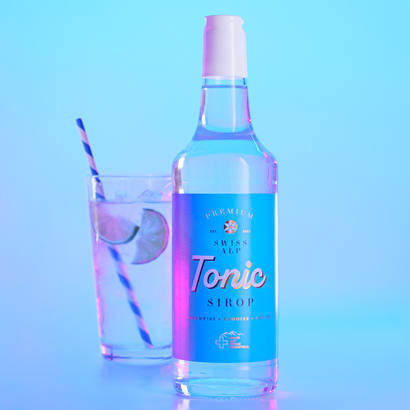
Handcrafted spirits have been experiencing a strong upswing for several years and are in high demand. The diversity and creativity of the various artisanal distillates are as unique as they are innovative. New tastes, new aromas and new herbs are used to create exceptional spirits – whether whisky, vodka, rum, gin or liqueurs.
As modern as the drink itself are the accompanying craft spirit bottles, which are selected with great care and creativity. The most creative and imaginative bottles are currently found among spirit producers, as packaging design has become even more important than before. In the beverage industry, artisanal spirits and their distillers are increasingly in the spotlight.
Packaging design is not just a matter of aesthetics
The importance of a well-thought-out strategic brand development cannot be overstated. Of course, high product quality is crucial for the reputation and recognition of a brand. Nevertheless, a strong brand image and exceptional packaging are essential to encourage potential customers to try the product in the first place. An attractive, creative and unusual packaging design is the most important tool to give the brand the necessary momentum and ensure long-term success.
The perfect packaging design for spirit bottles
The packaging design of a glass bottle must fulfill numerous functions. In most cases, it is the only means of communication that appeals to customers at first glance. Perfect packaging must promote sales even without additional information and clearly stand out from other packaging. Perfect spirit bottles should attract attention on the shelf and behind the bar. In addition, the glass bottle must reflect the brand personality in order to encourage potential customers to try it. With the increasing number of artisanal spirits on the market, the right brand strategy and the appropriate packaging design are decisive for commercial success.
Top 10 Tips for the perfect spirits bottle packaging design
Here are ten points to consider when designing the packaging of a spirit bottle.
1. The choice of the glass bottle
First, the appropriate glass bottle should be chosen. Shape, color and size must match the brand identity. Spirits belong to the premium segment and should therefore be filled into high-quality bottles. There are different bottle shapes for different distillates. One can choose between classic shapes or develop a custom bottle shape to stand out from others. The high-quality presentation of the content is the most important aspect of packaging design.
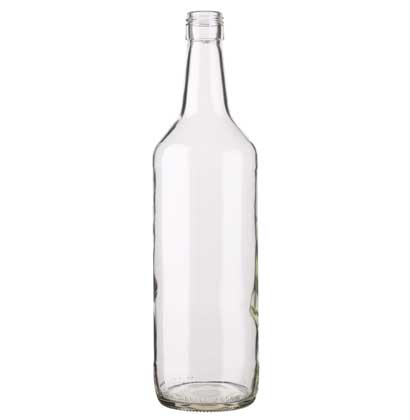
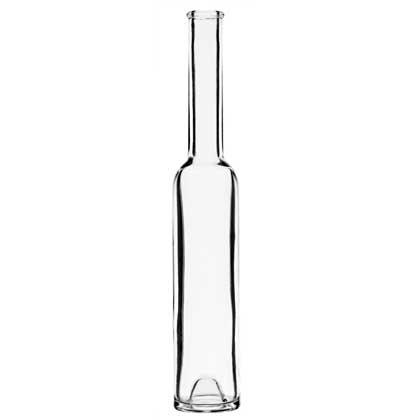
Classic Spirits Bottles:
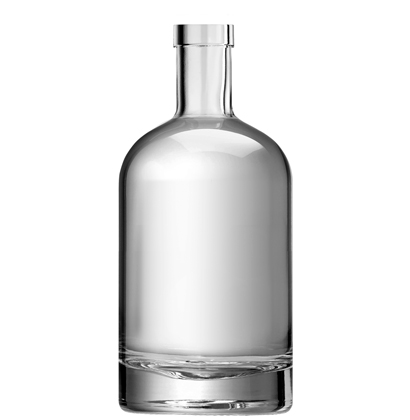
Currently popular spirit bottles:
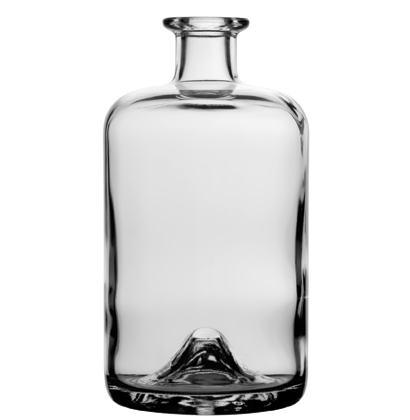
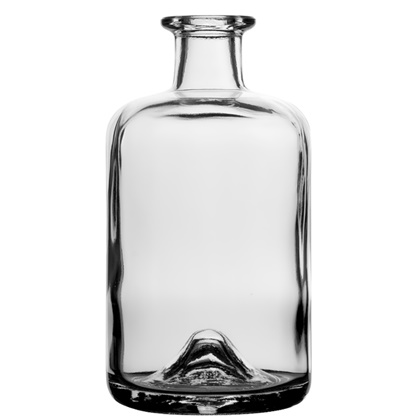
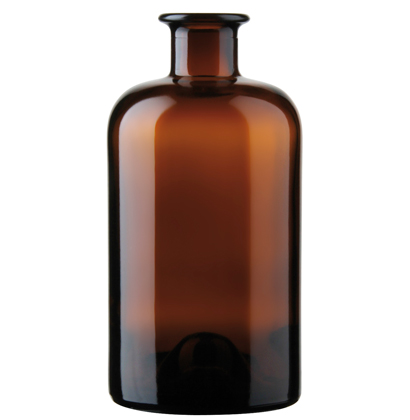
Unique spirit bottles:
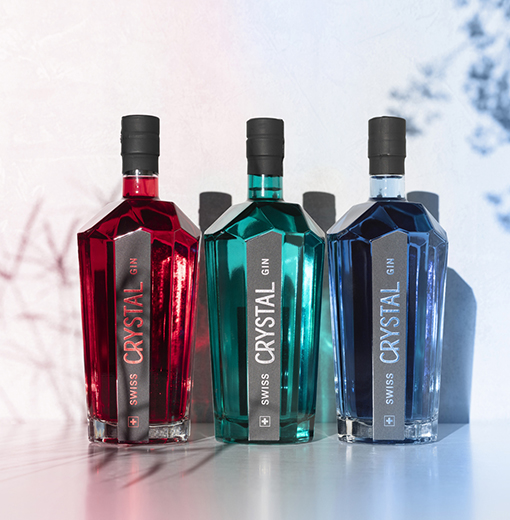
Crystal Gin
This extraordinary spirit bottle was launched by Rugen Distillery in June 2016. This gin bottle is not only distinguished by the shape of the glass bottle, but also by its color. The color of the glass was chosen by the client, as it should resemble the color of a crystal. This is a kind of packaging design!
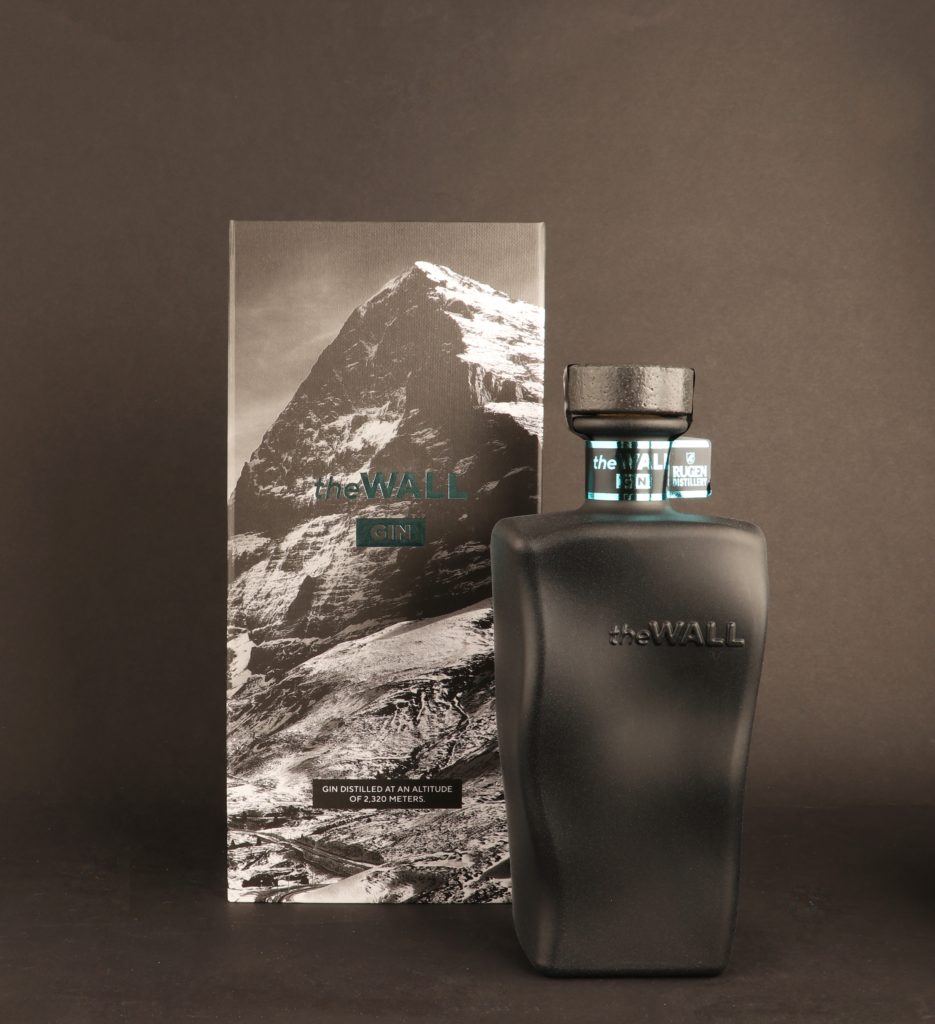
The Wall
A gin bottle that embodies the spirit of the Eiger. Its elegant and modern shape is inspired by the striking lines and the imposing relief of the Eiger North Face, creating a unique, memorable silhouette that reflects both the power and the beauty of this iconic mountain. A special feature is the name “The Wall”, which is applied as a relief engraving on the surface. This engraving adds a tactile dimension and invites you to explore the bottle with your fingers, while the granite-like structure directly recalls the rock of the Eiger. This surface appeals not only visually but also haptically and strengthens the connection to the mineral world of the mountain. Learn more about the project.
Trojka
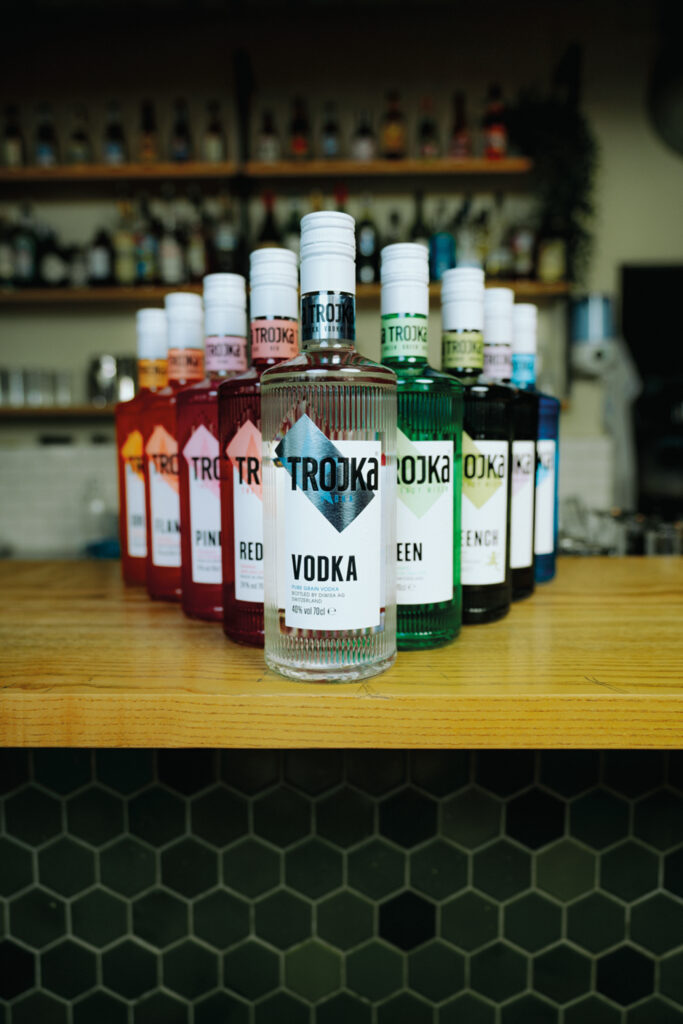
During the redesign, it was important that the new bottle not only impress visually but also convince haptically. The Trojka team developed ideas together with the designers from WIN and the engineers from Univerre, considering all aspects – from shape and size to materials and handling. The goal was to create a bottle that immediately catches the eye on the shelf while preserving the unmistakable character of Trojka. Learn more about the project.
2. The brand identity
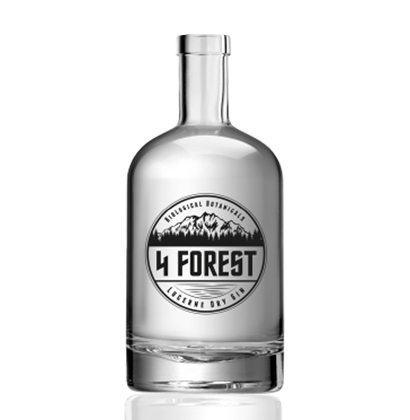
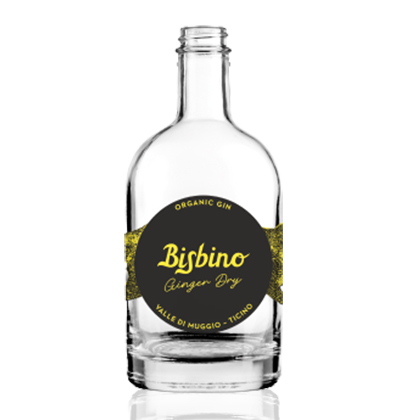
Brand identity, especially name and typography, must be carefully developed to convey a clear, consistent and memorable character. It is one of the first points of contact with the consumer and plays a central role in the overall perception of the product. Fonts, style and design must align with the brand values – whether modernity, tradition, luxury or simplicity.
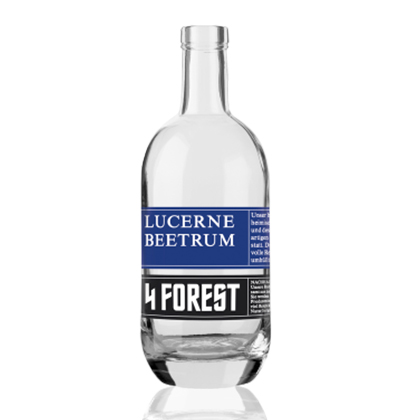
3. The design on the bottle
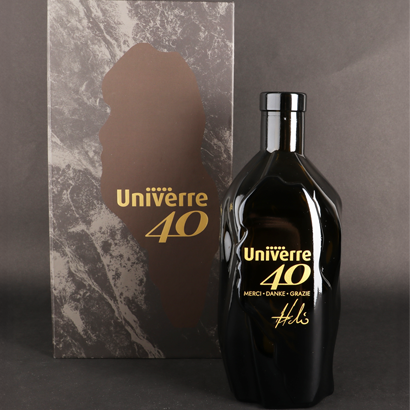
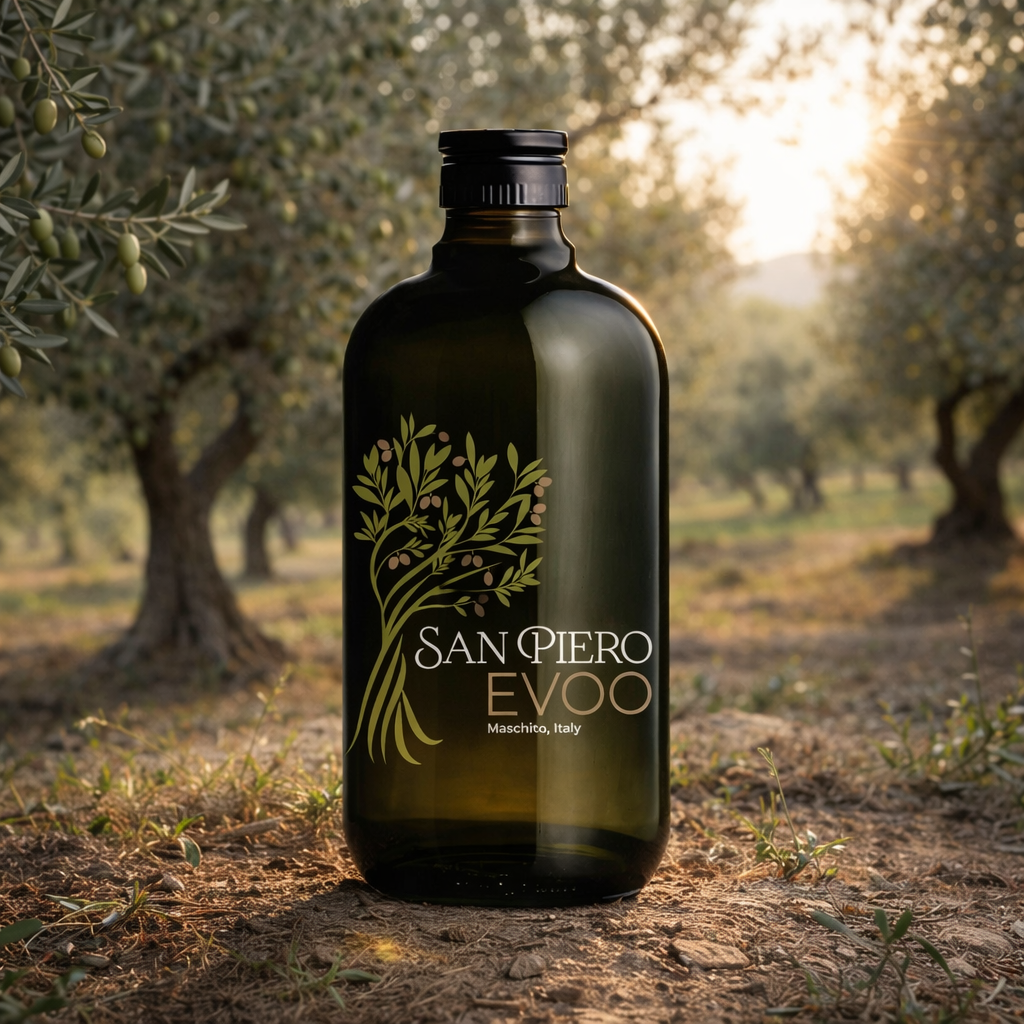
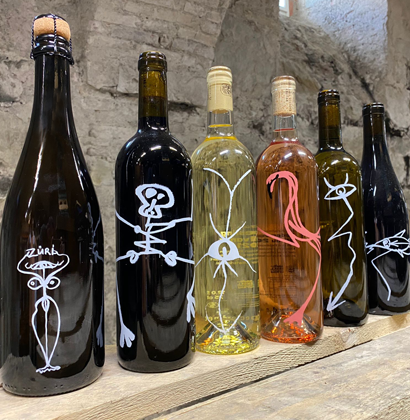
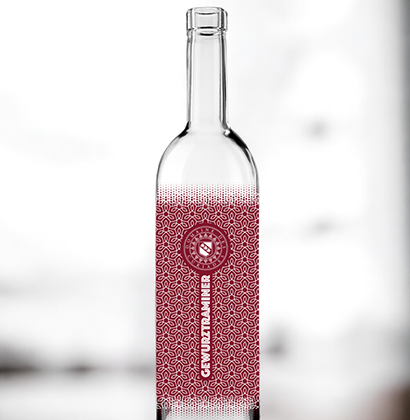
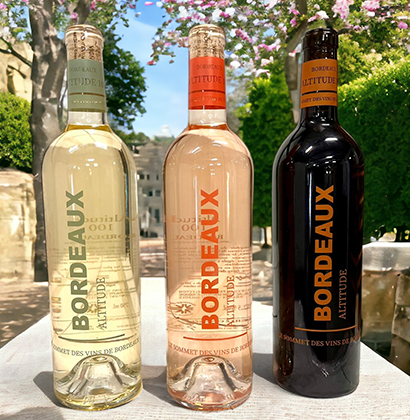
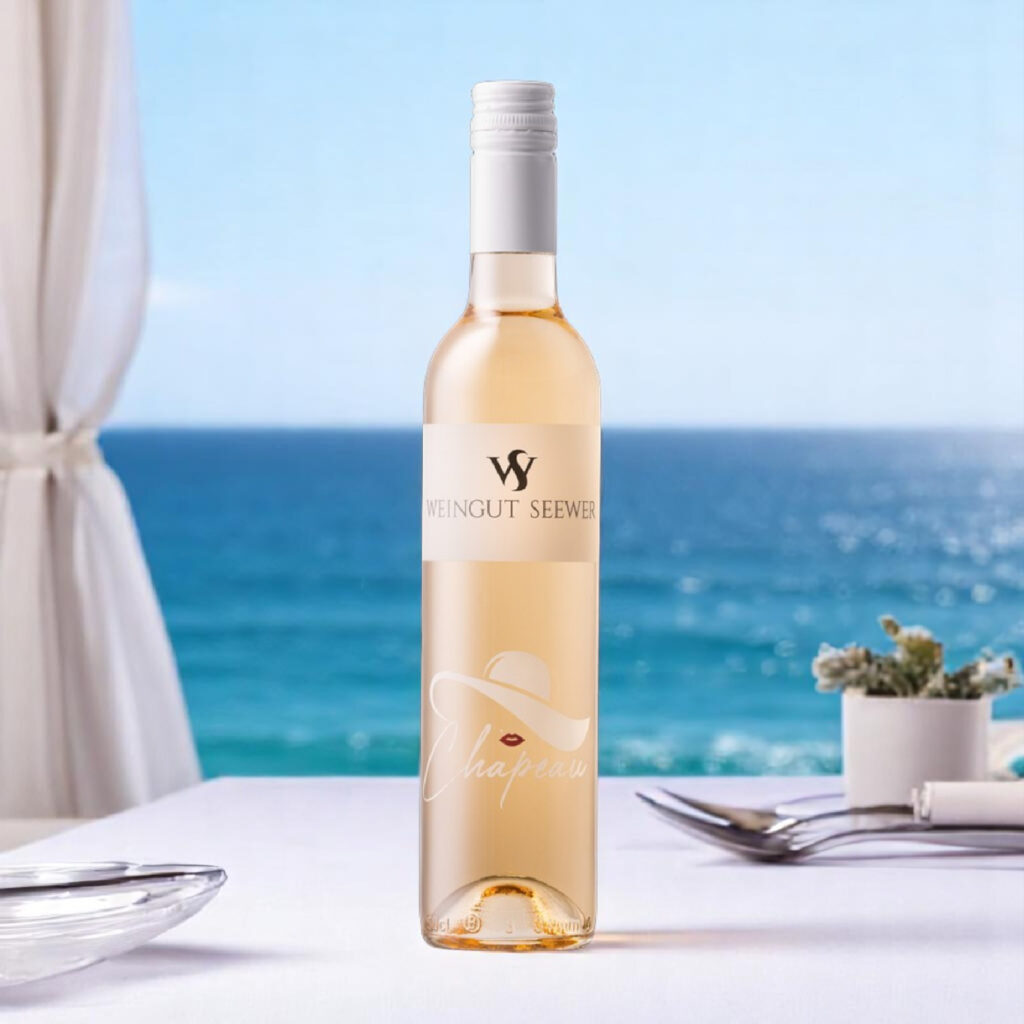
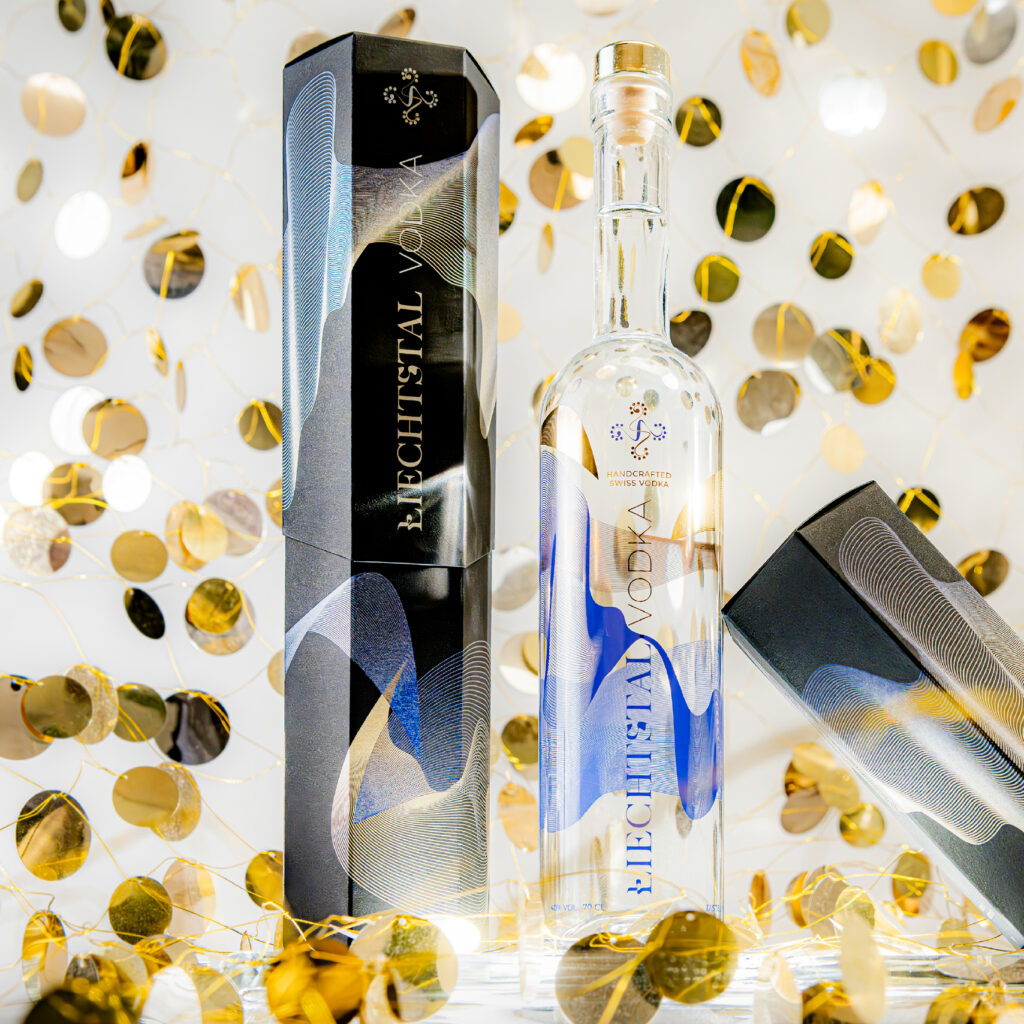
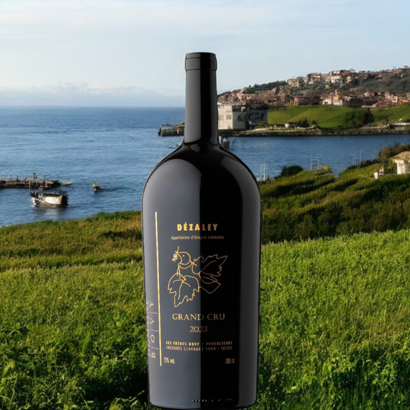
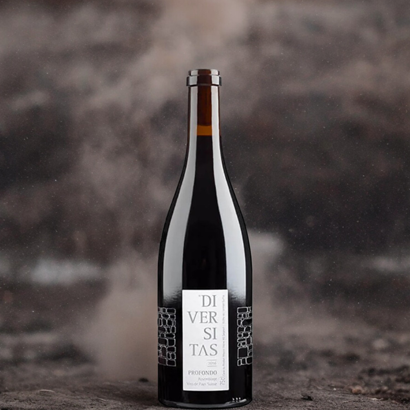
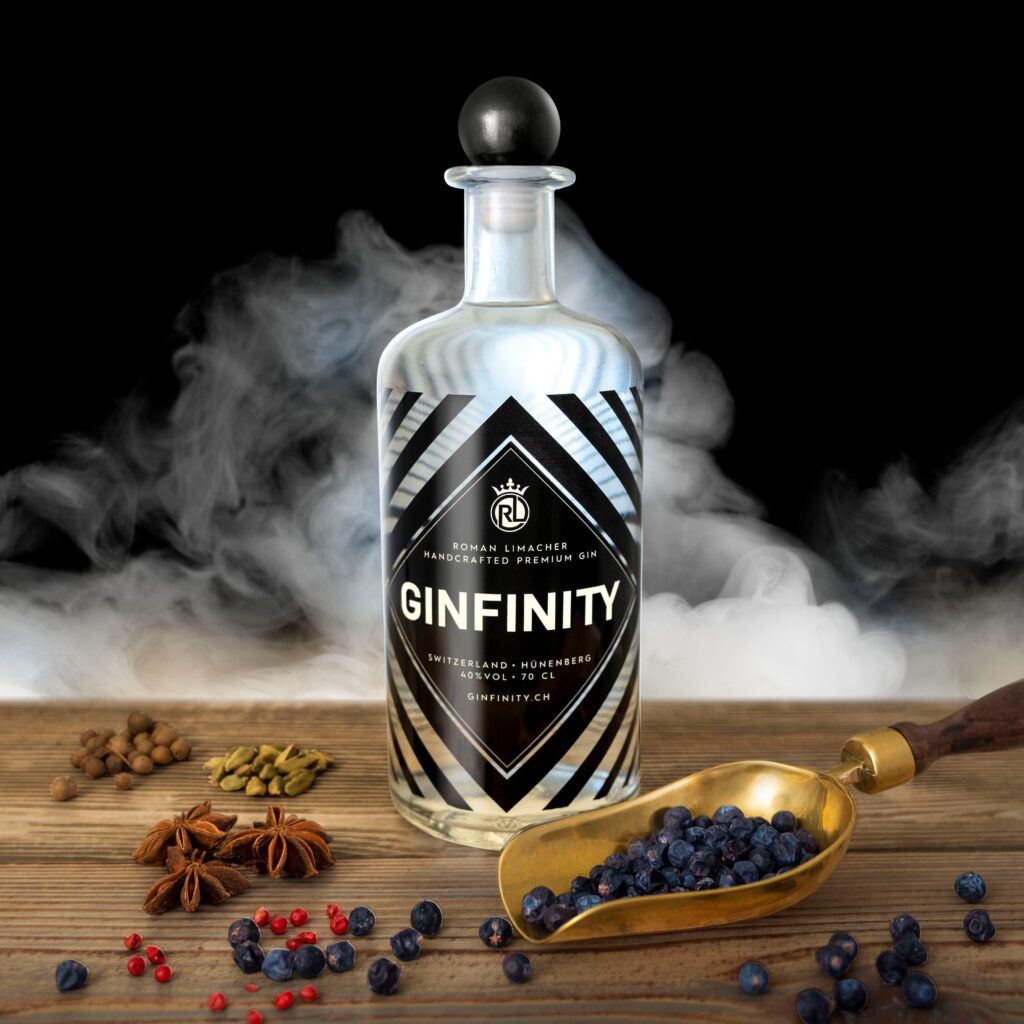
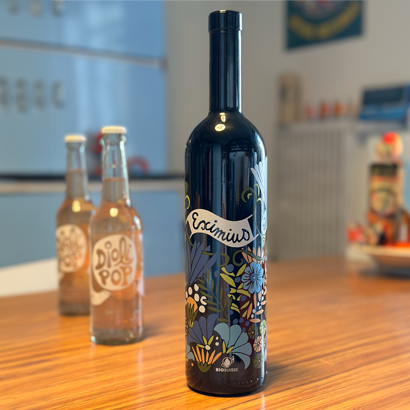
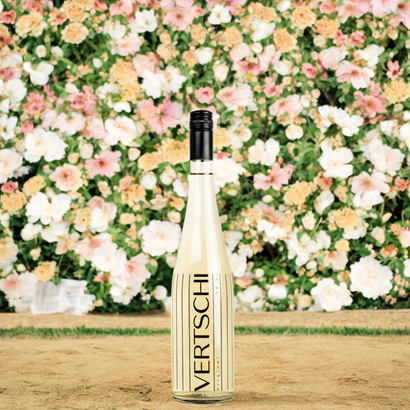
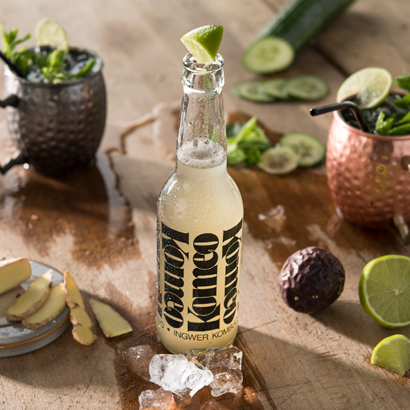
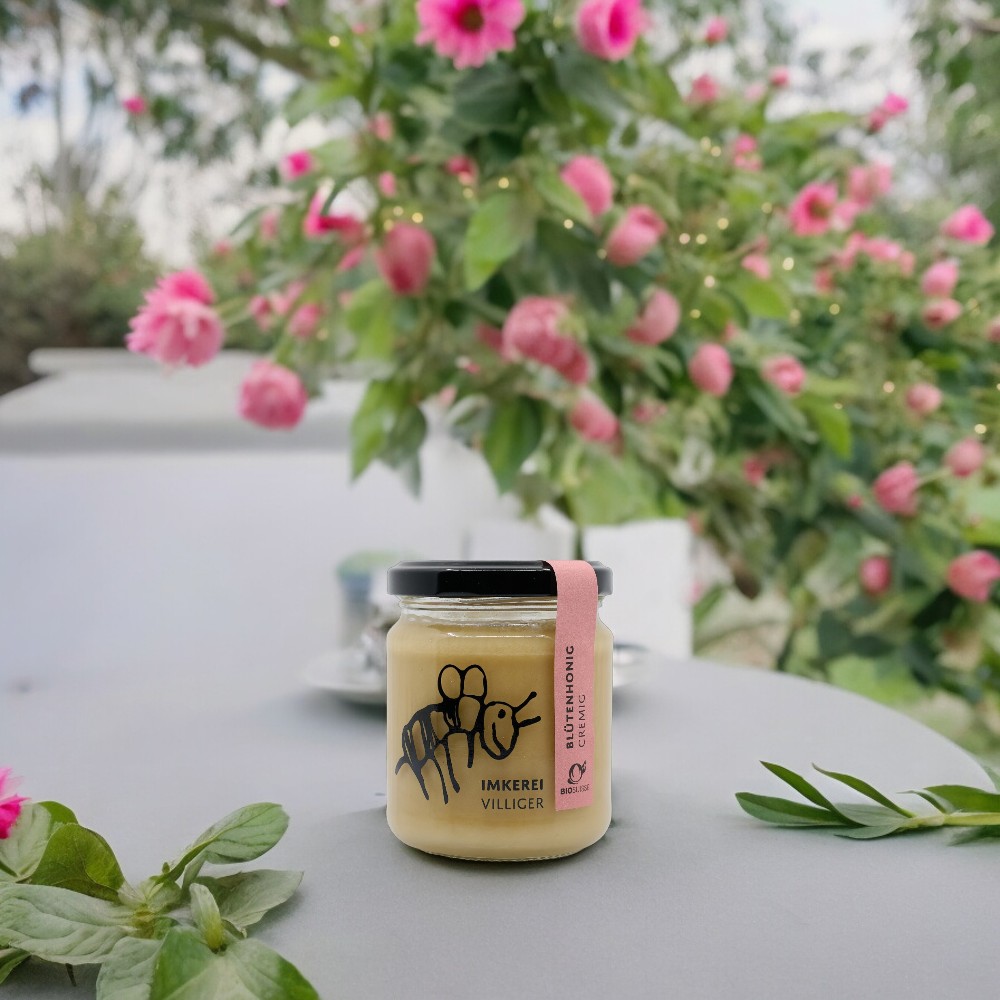
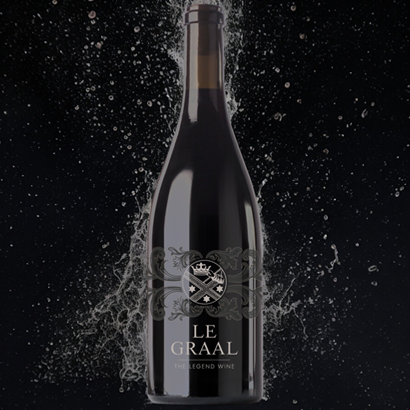
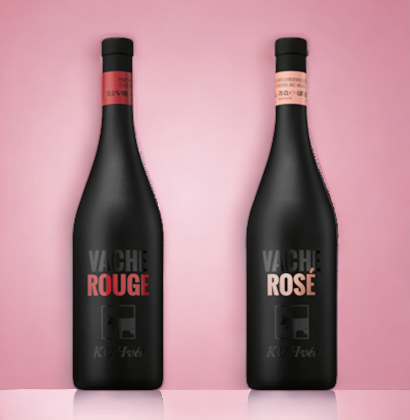
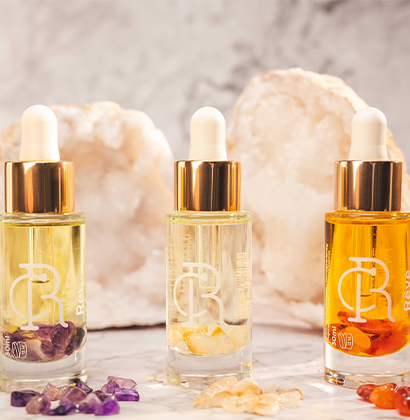
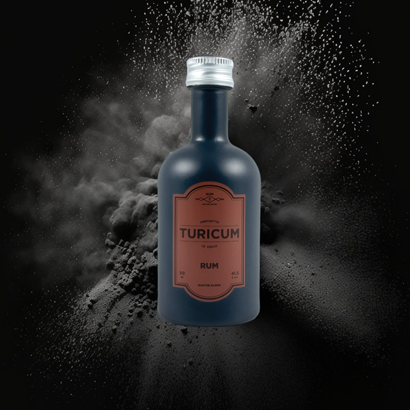
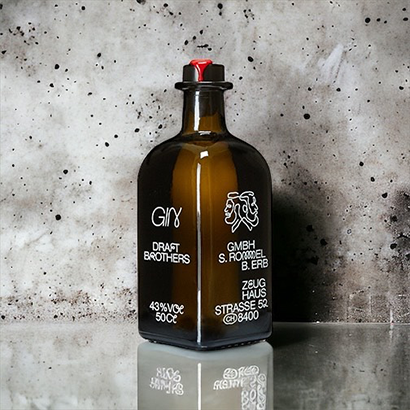
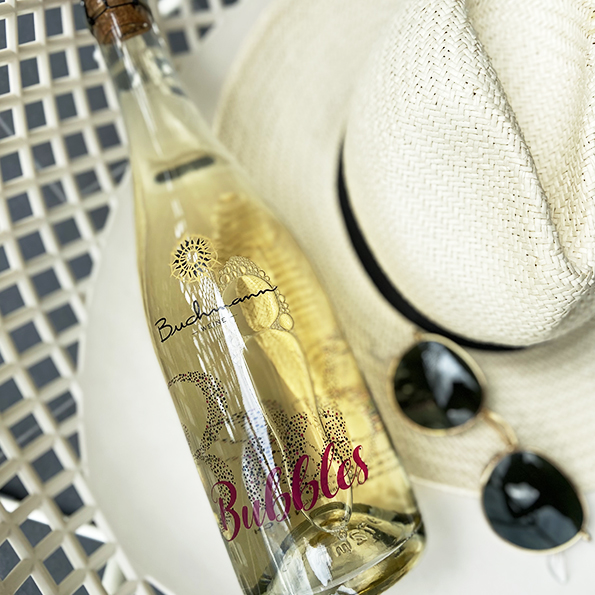
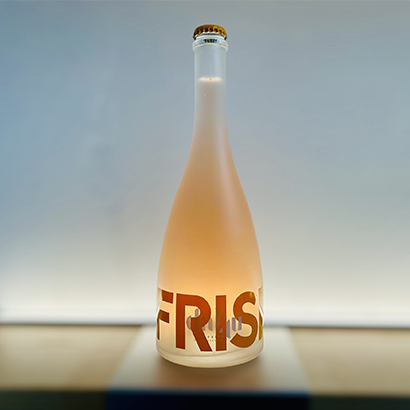
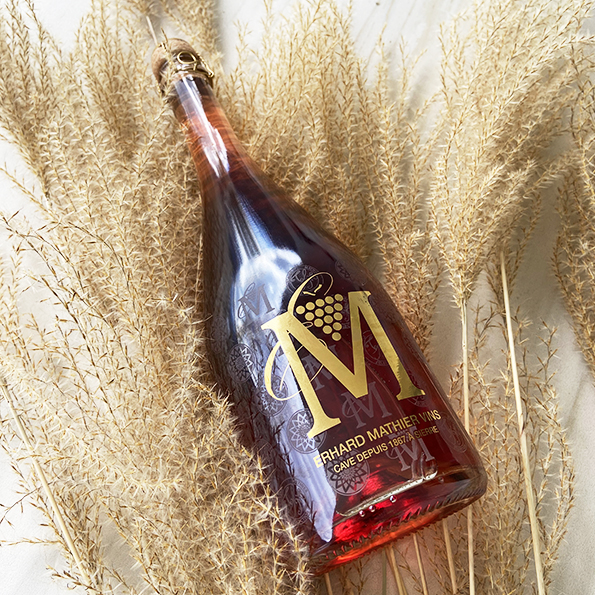
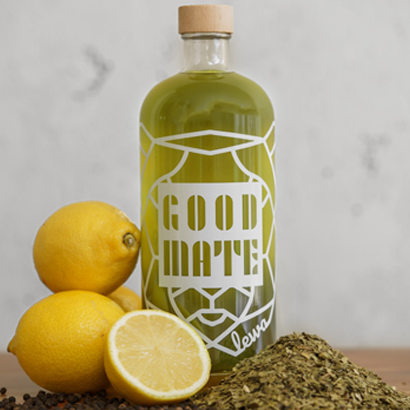
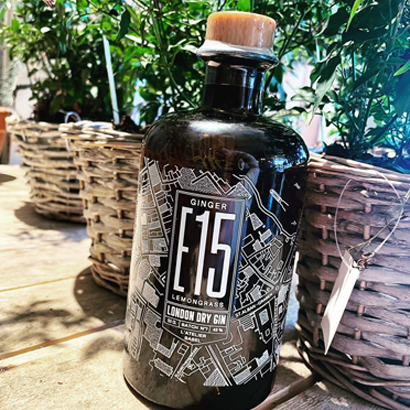
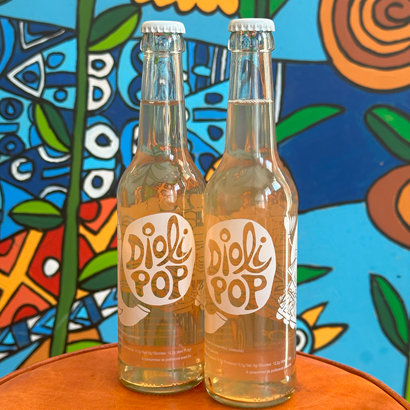
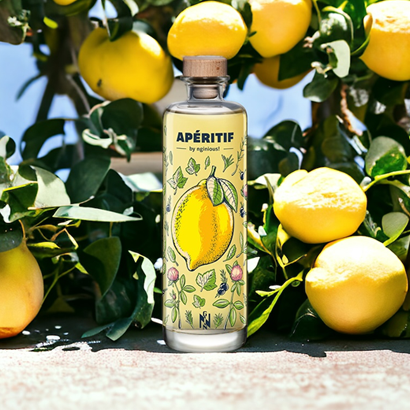
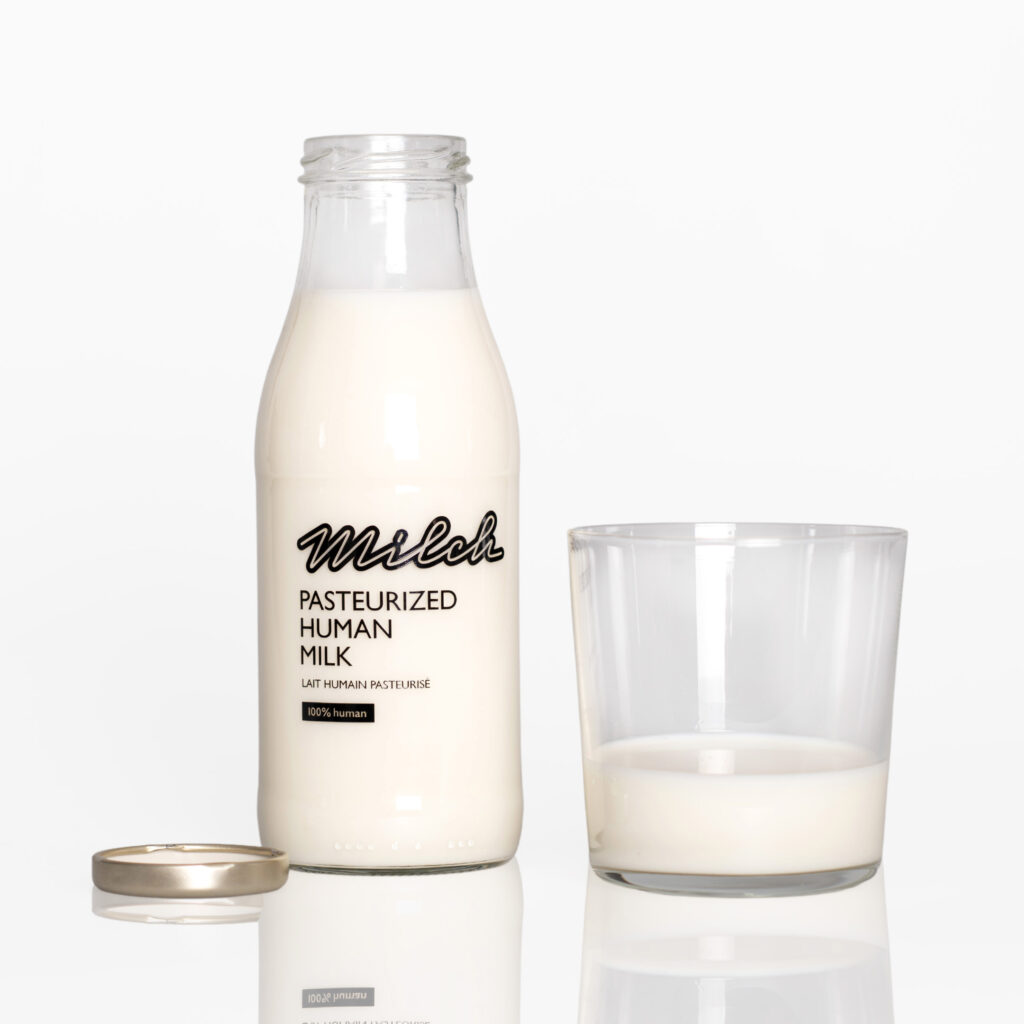
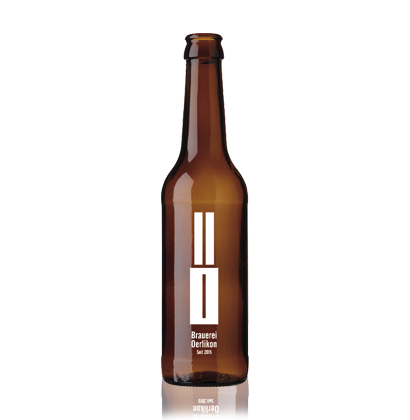
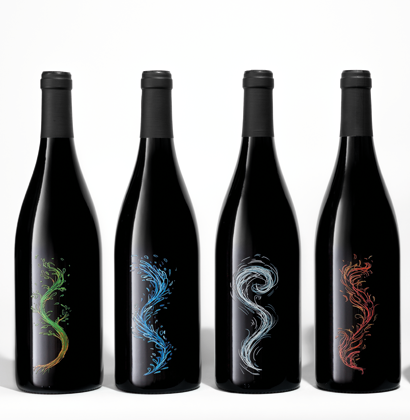
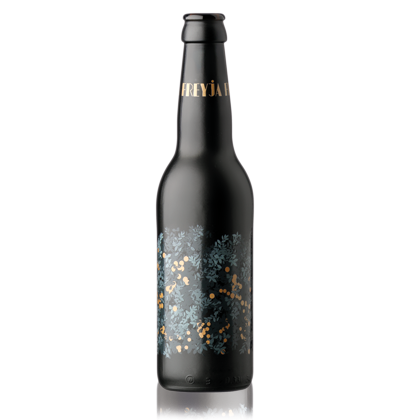
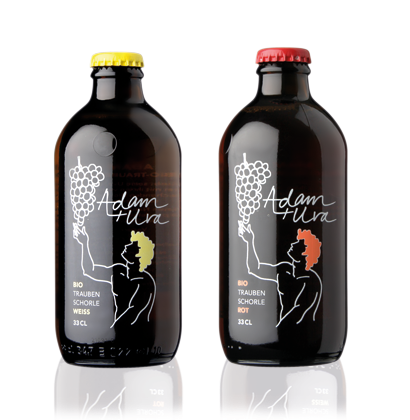
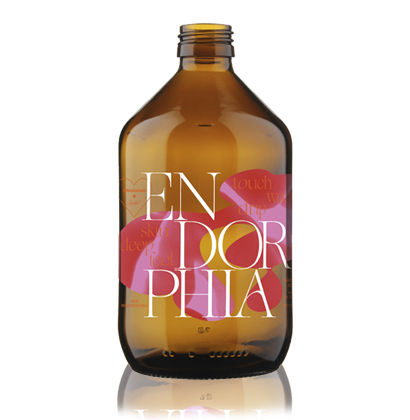
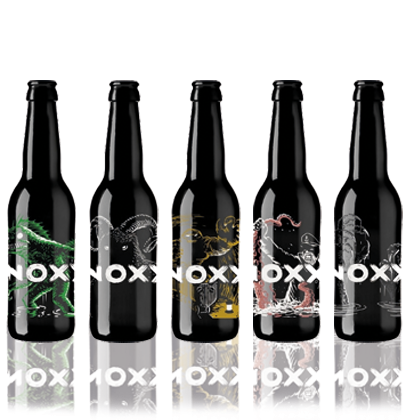
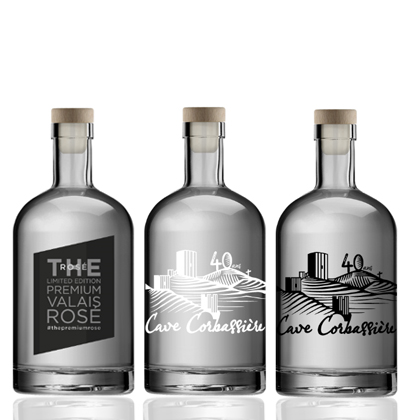
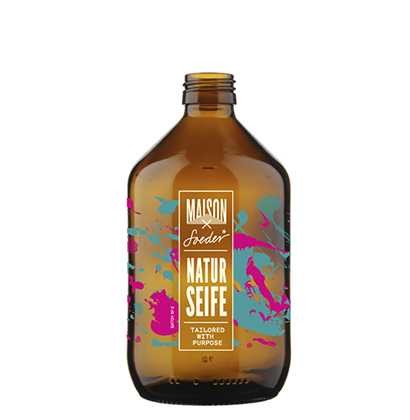
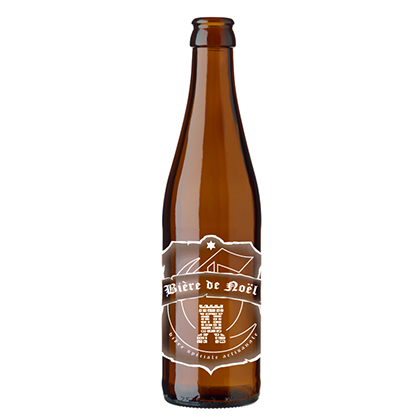
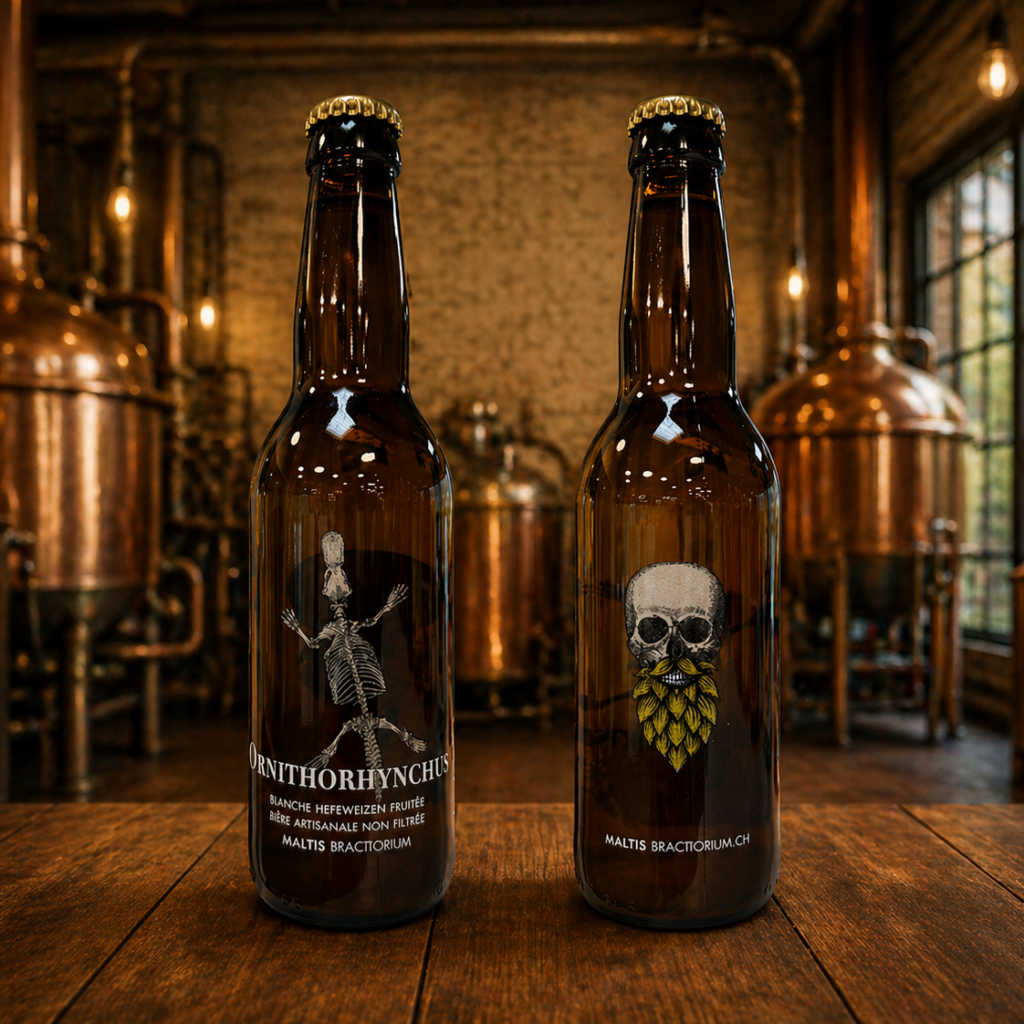
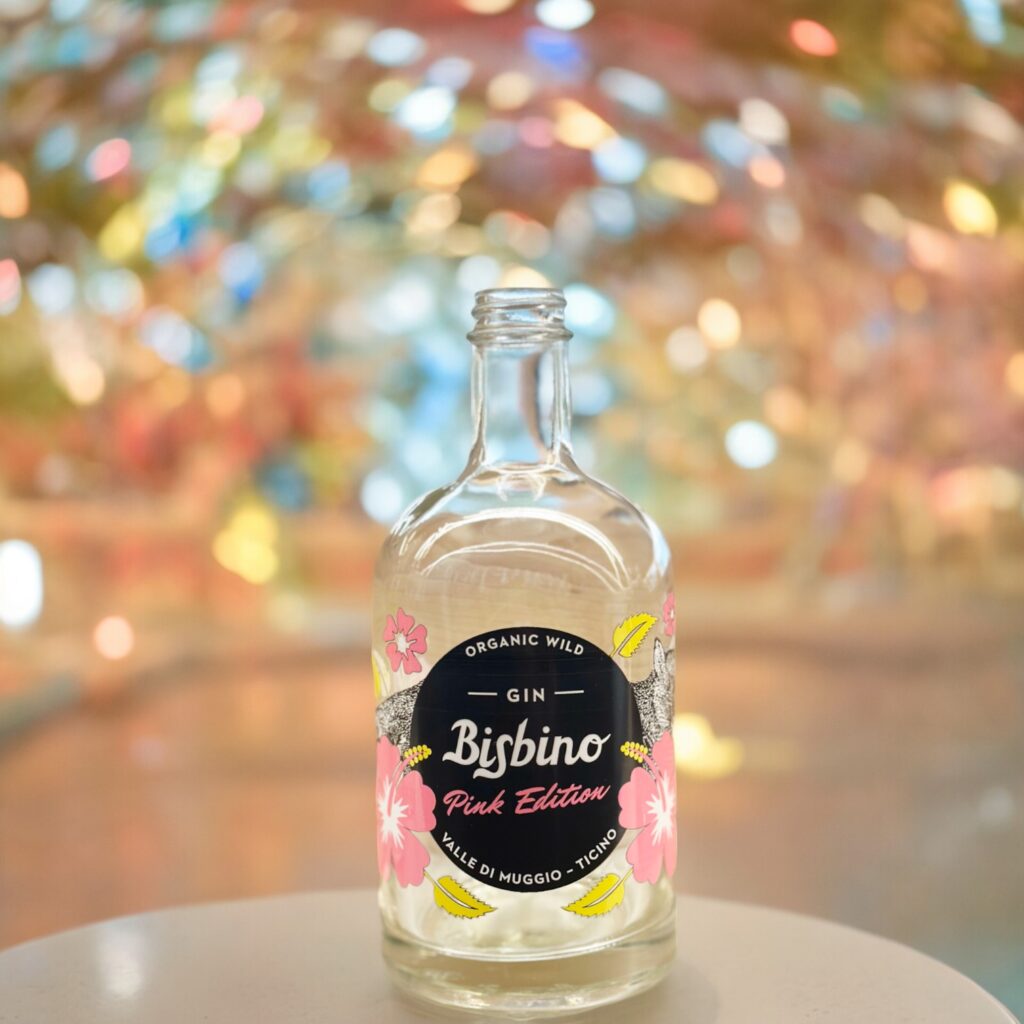
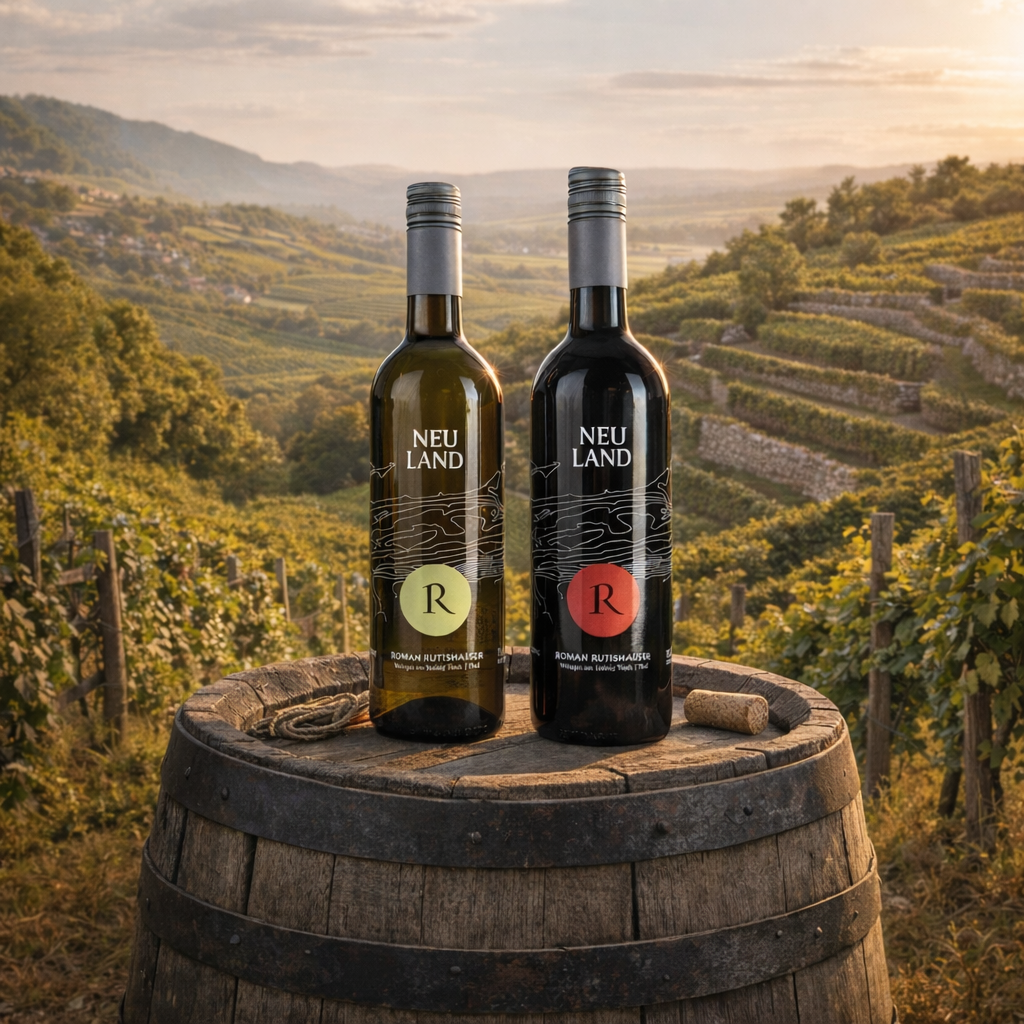
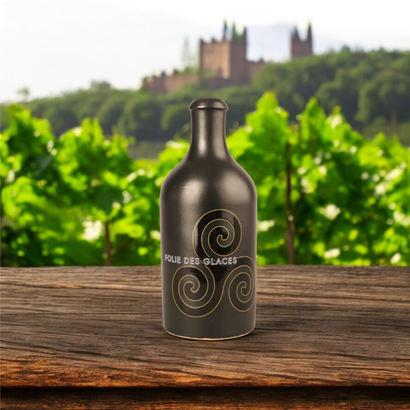
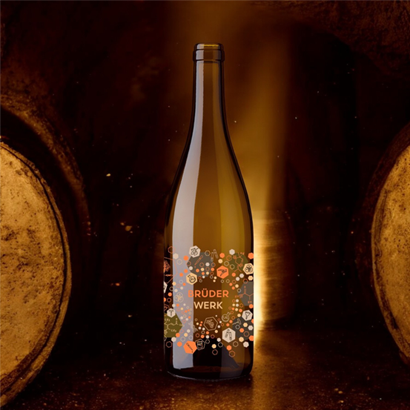
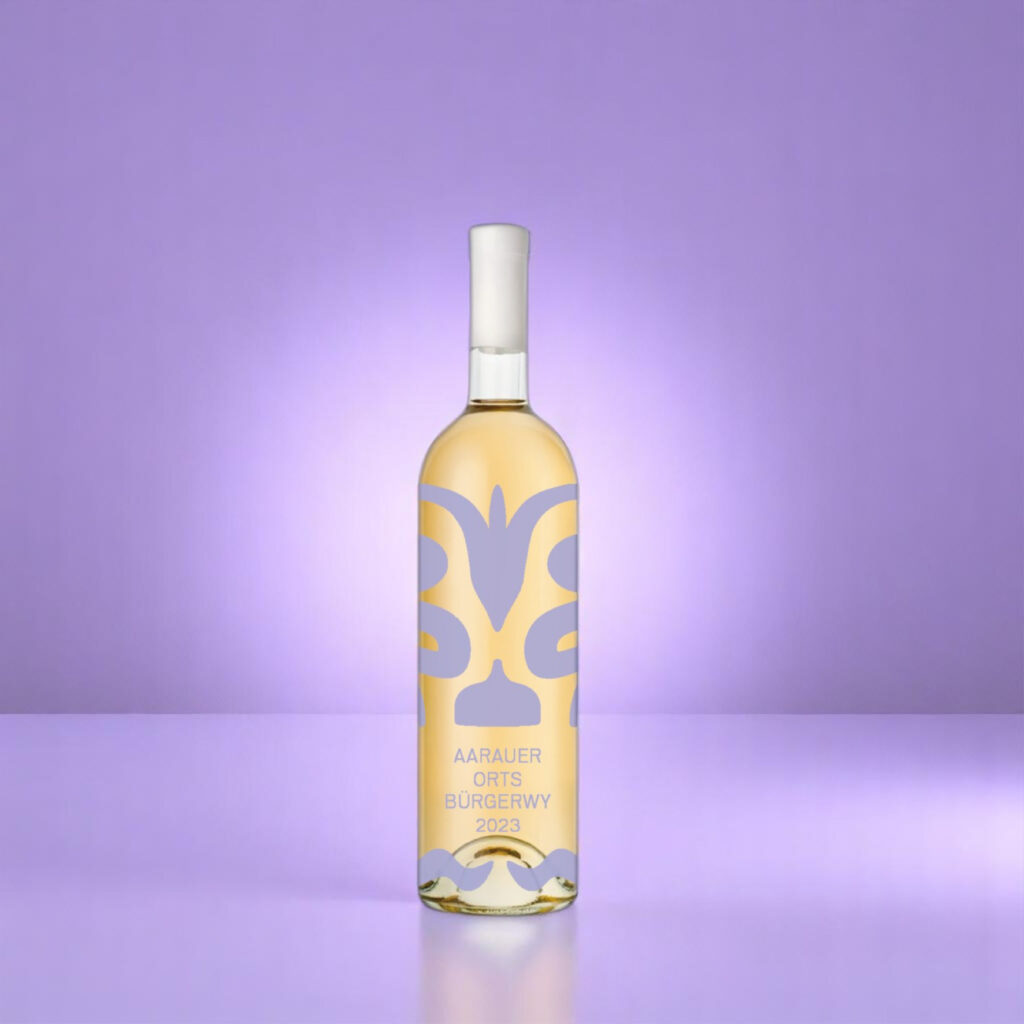
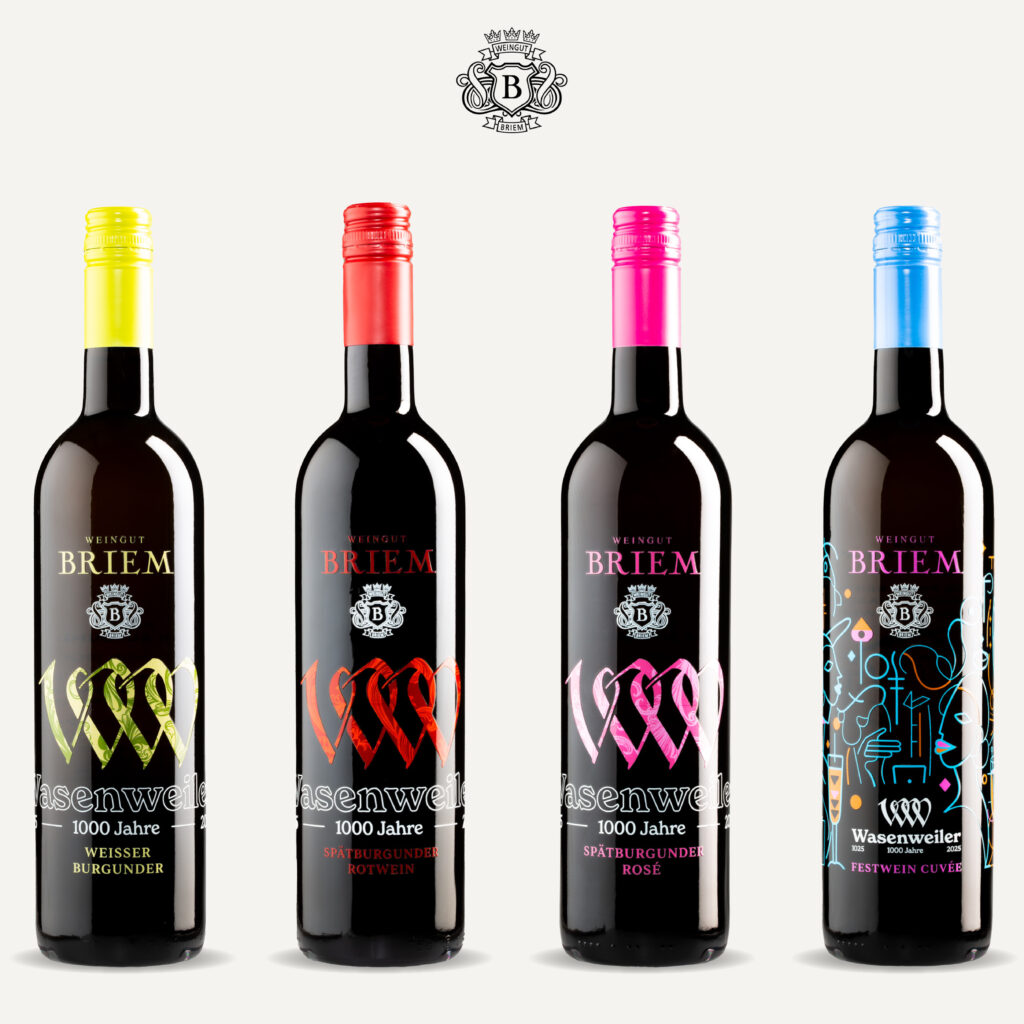
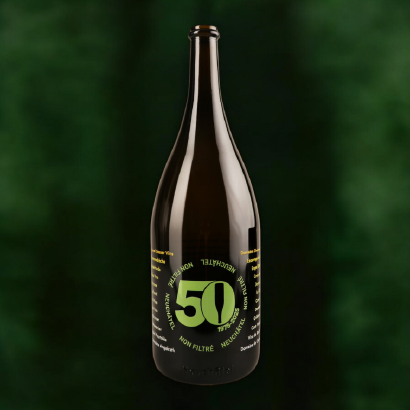
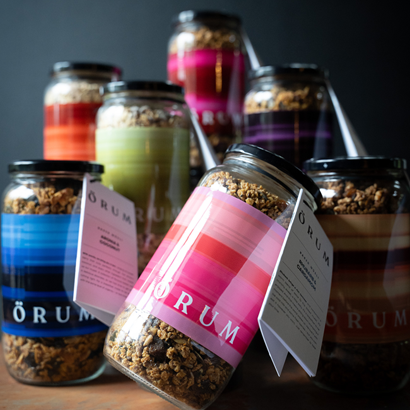
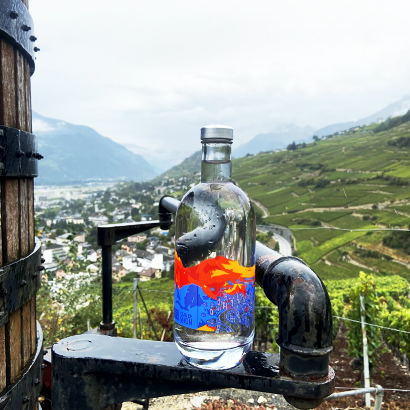
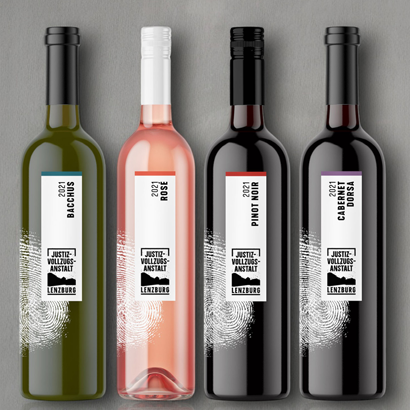
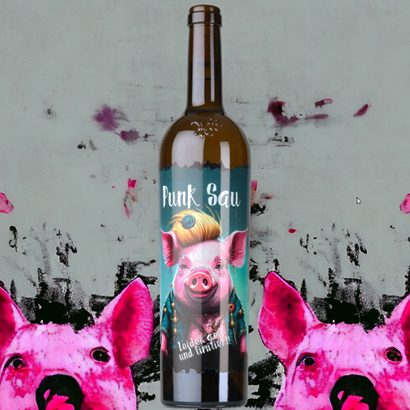
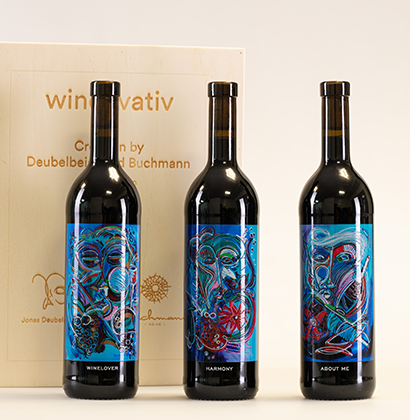
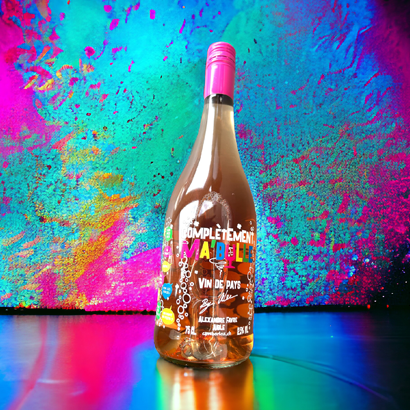
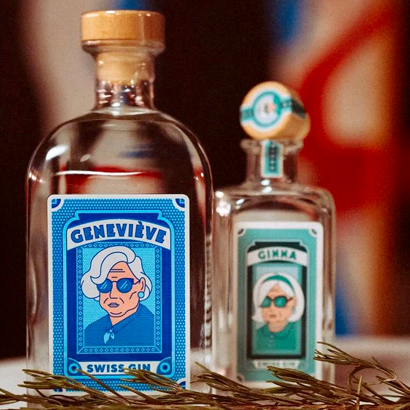
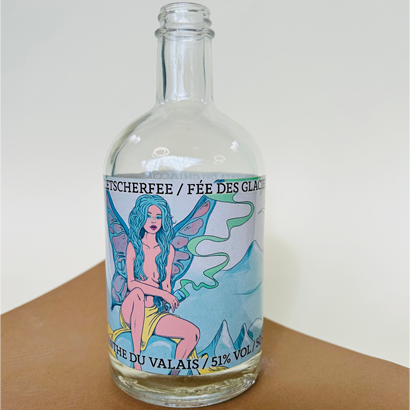
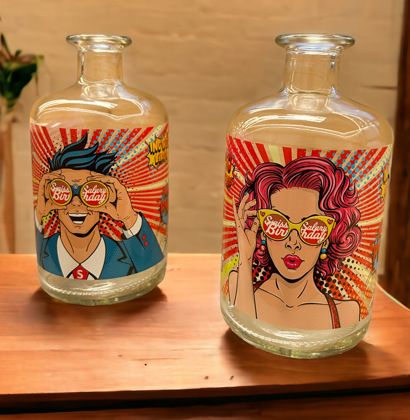
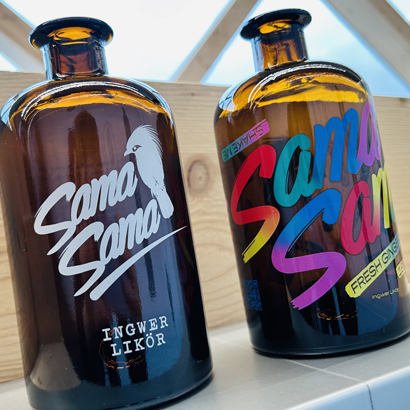
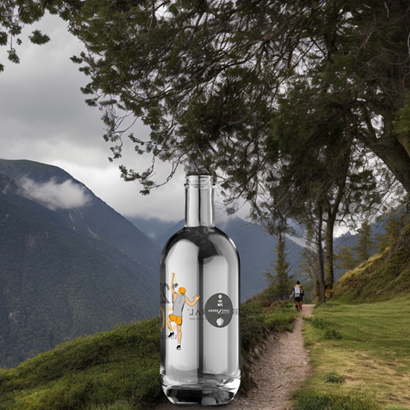
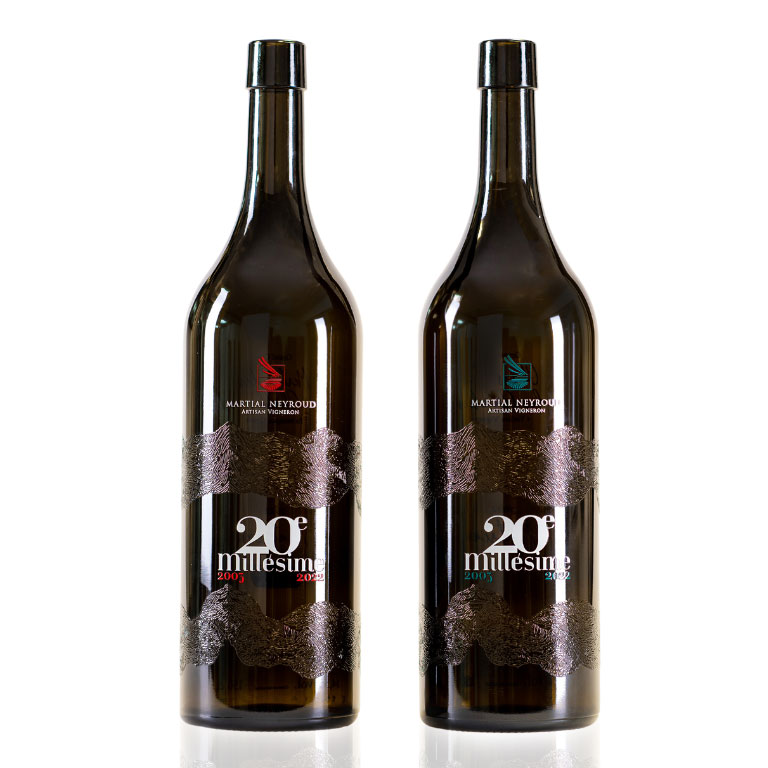
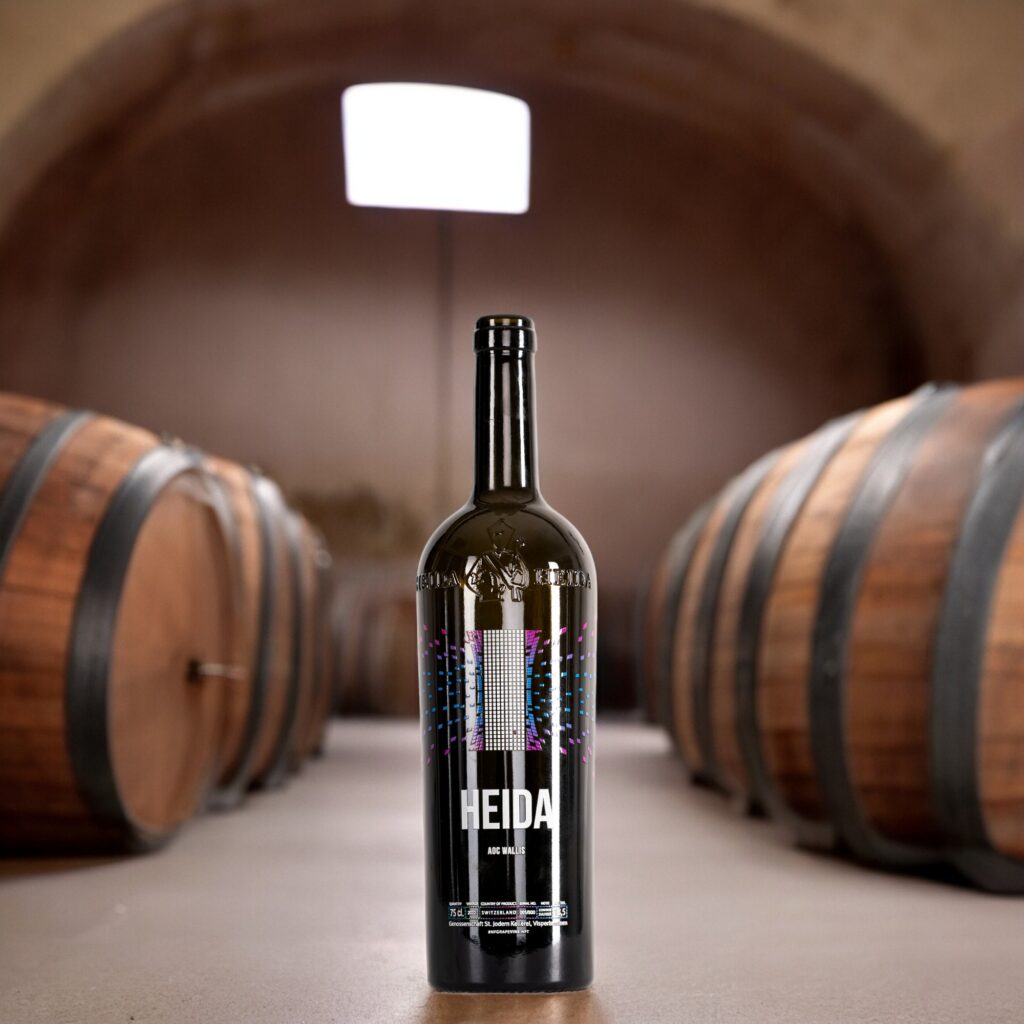
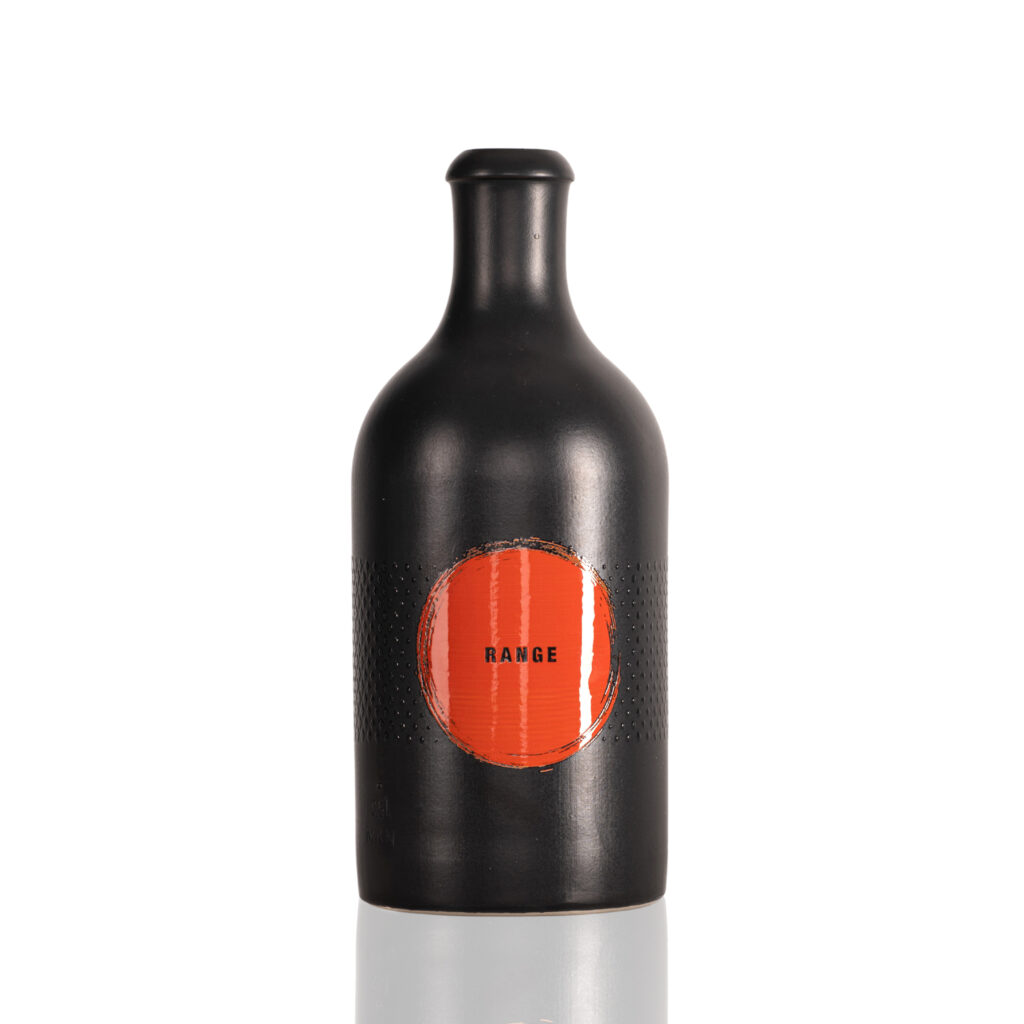
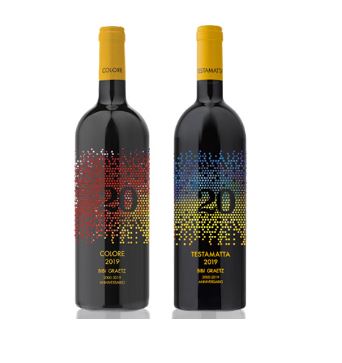
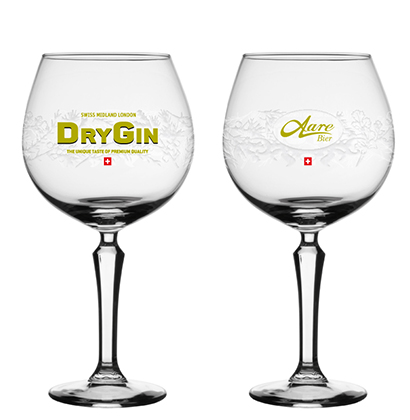
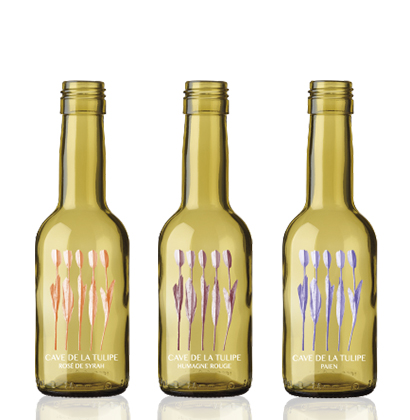
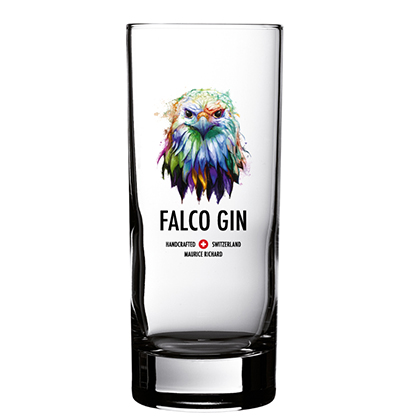
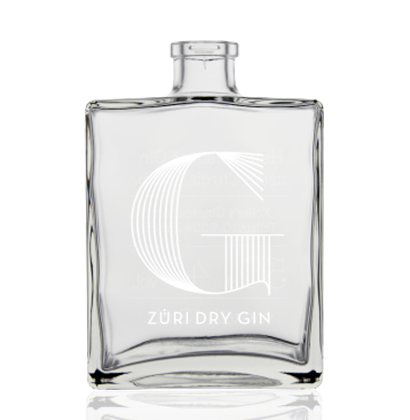
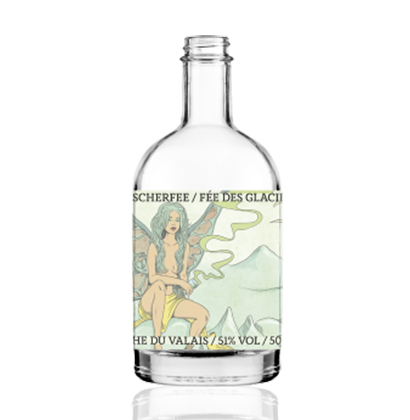
The design of a glass bottle is particularly important, especially for standard bottles. Differentiation here is mainly achieved through graphic design and finishing techniques. A distinctive label can already provide significant added value, but processes such as screen printing or digital printing directly on the glass enable an even stronger impact.
These techniques use the entire surface of the bottle and integrate the design permanently and with high quality, while strengthening the visual identity. They also offer great creative freedom in textures, surfaces (matte, glossy, transparent) and visual effects. As a result, the packaging is no longer limited to the label but encompasses the entire bottle.
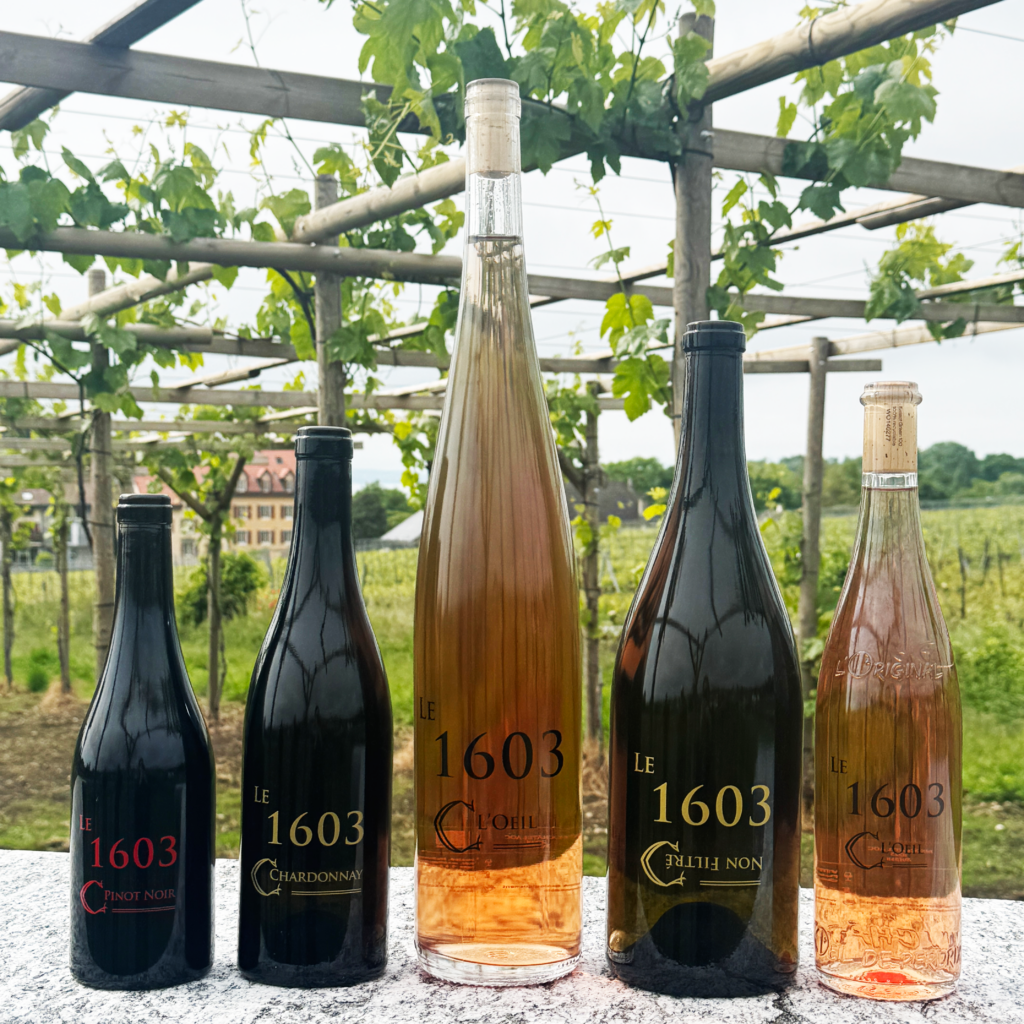
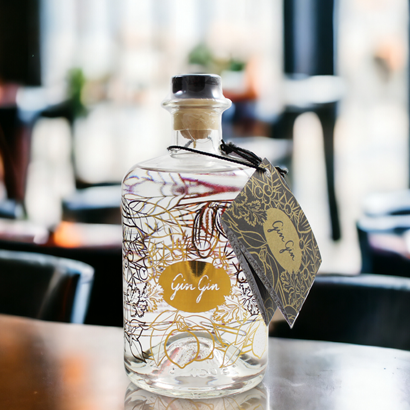
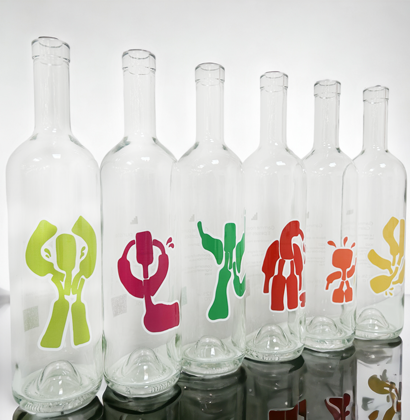
Screen printing on a bottle
With the screen printing process, up to six colors can be printed on a glass bottle. For particularly high-quality effects, precious metals such as gold, imitation gold or platinum can also be used.
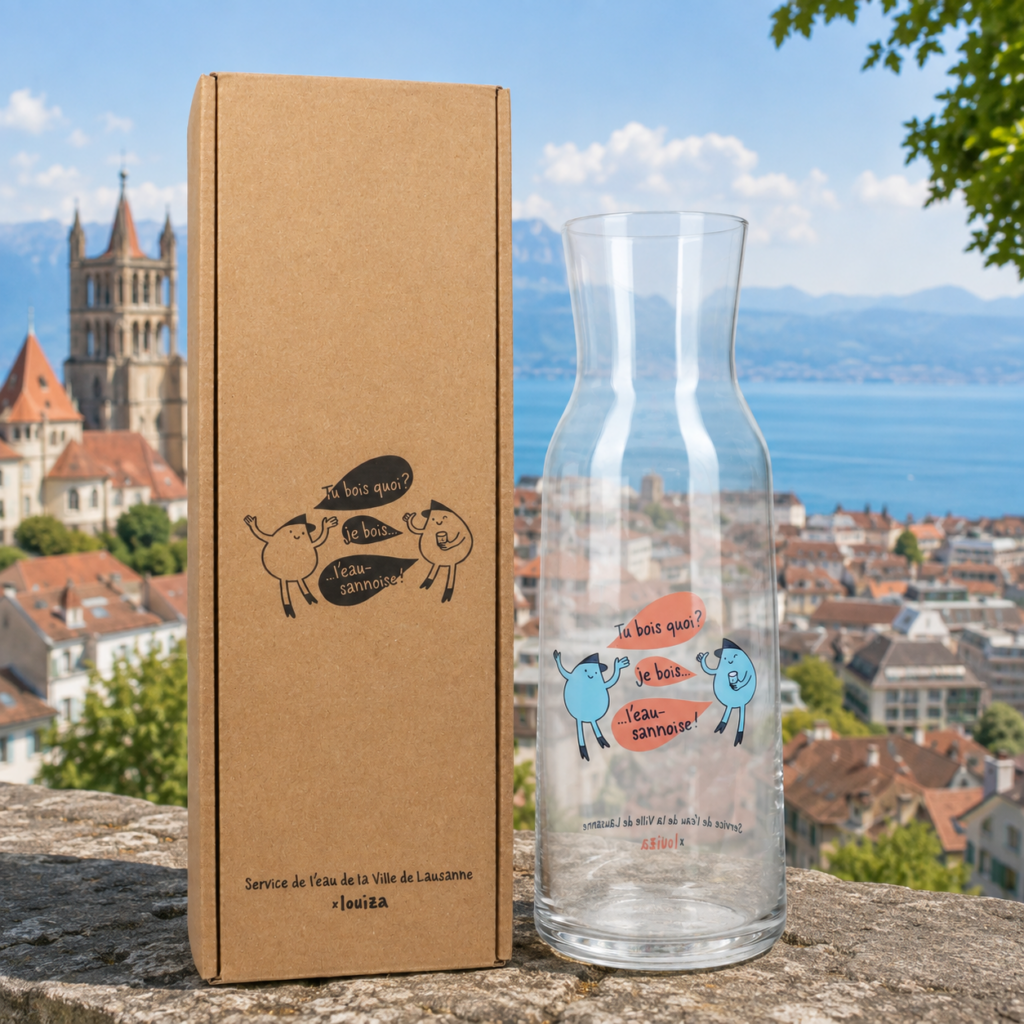

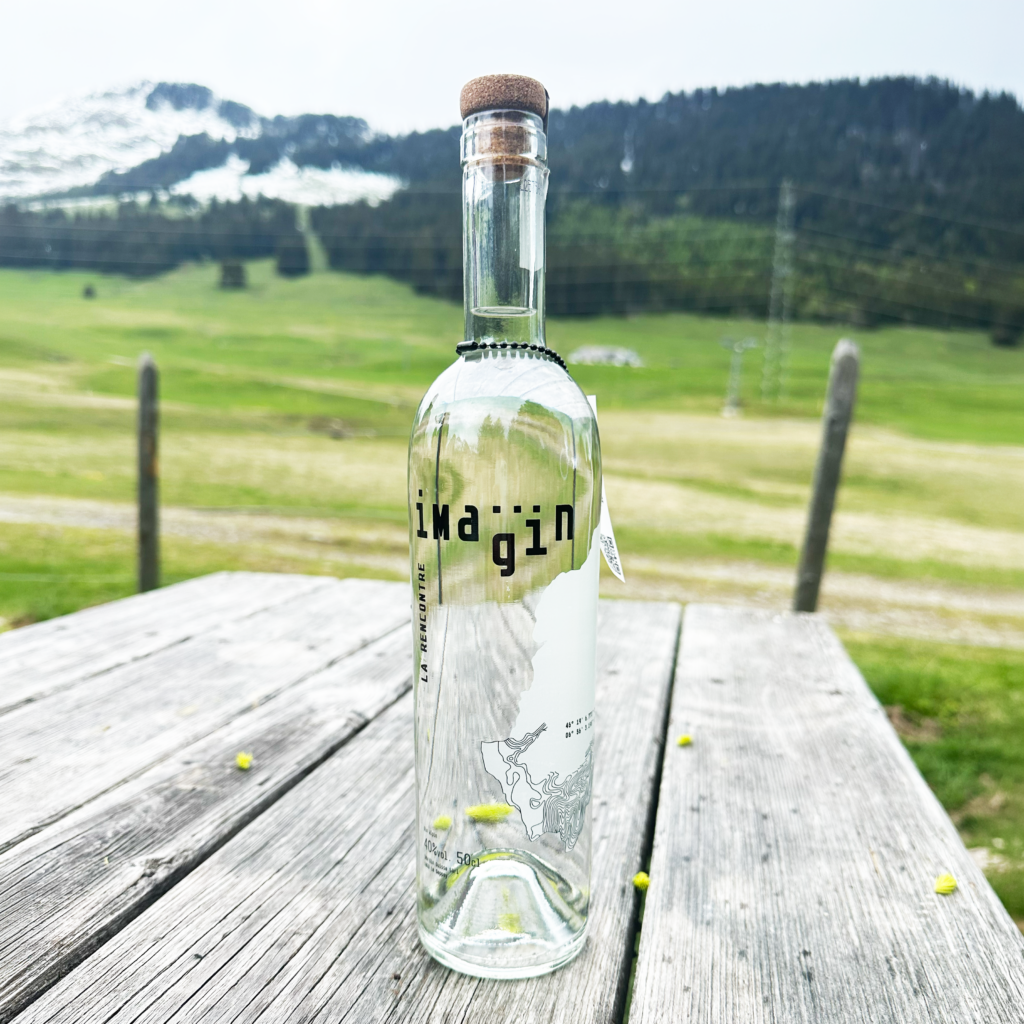



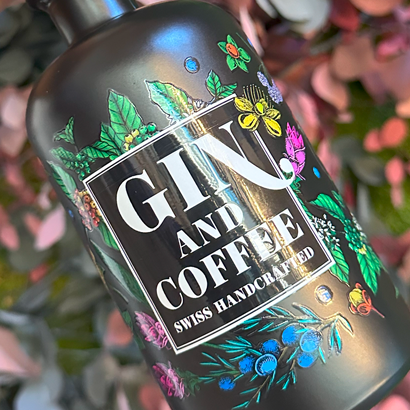


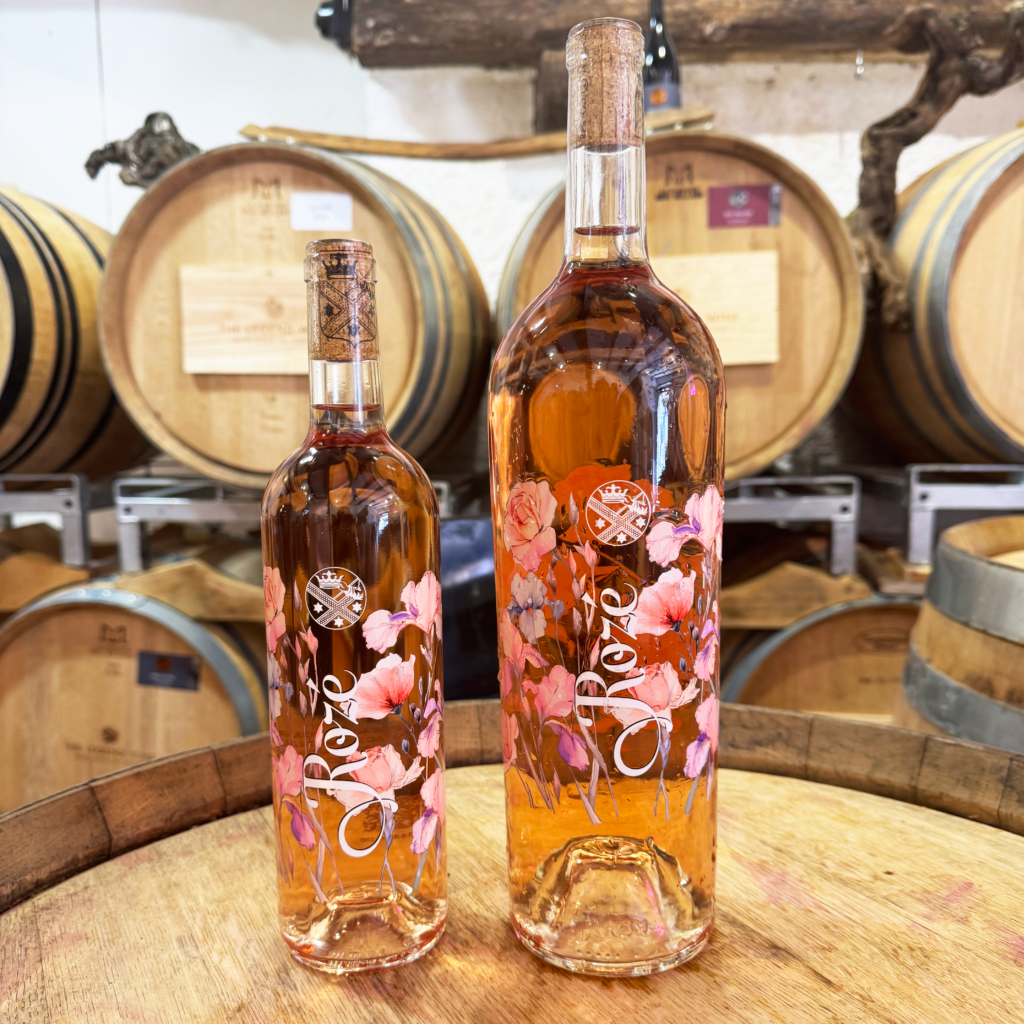
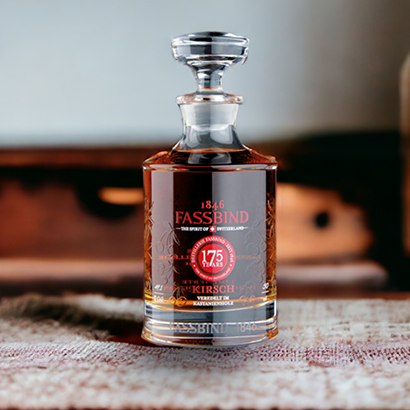
Digital printing on a bottle
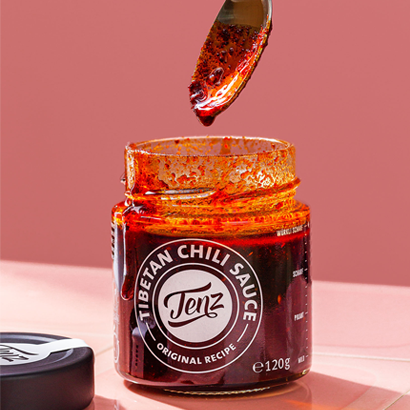
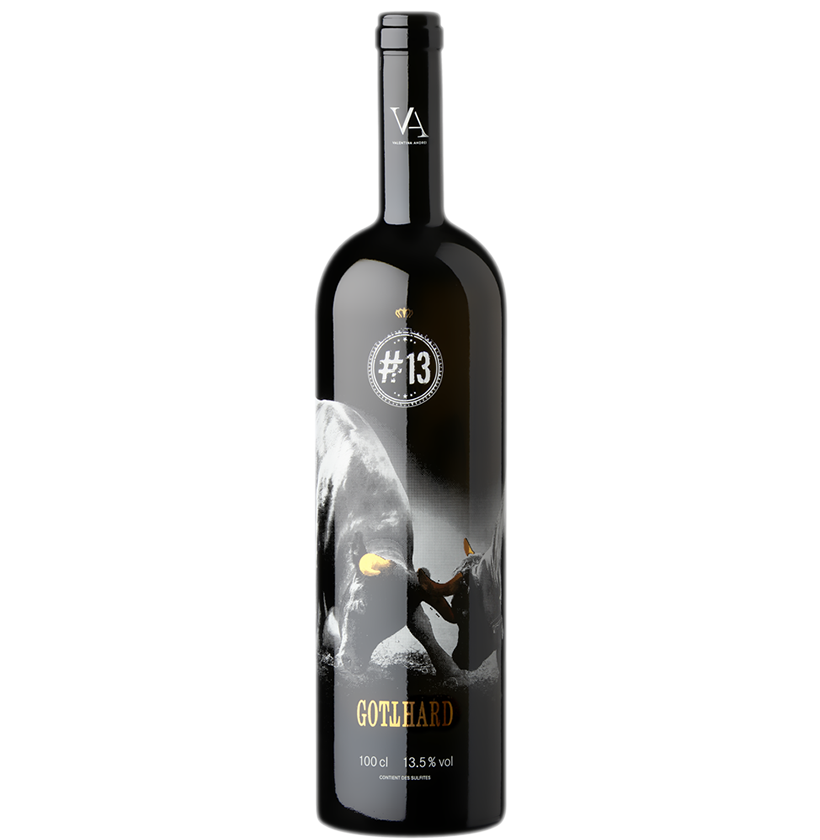
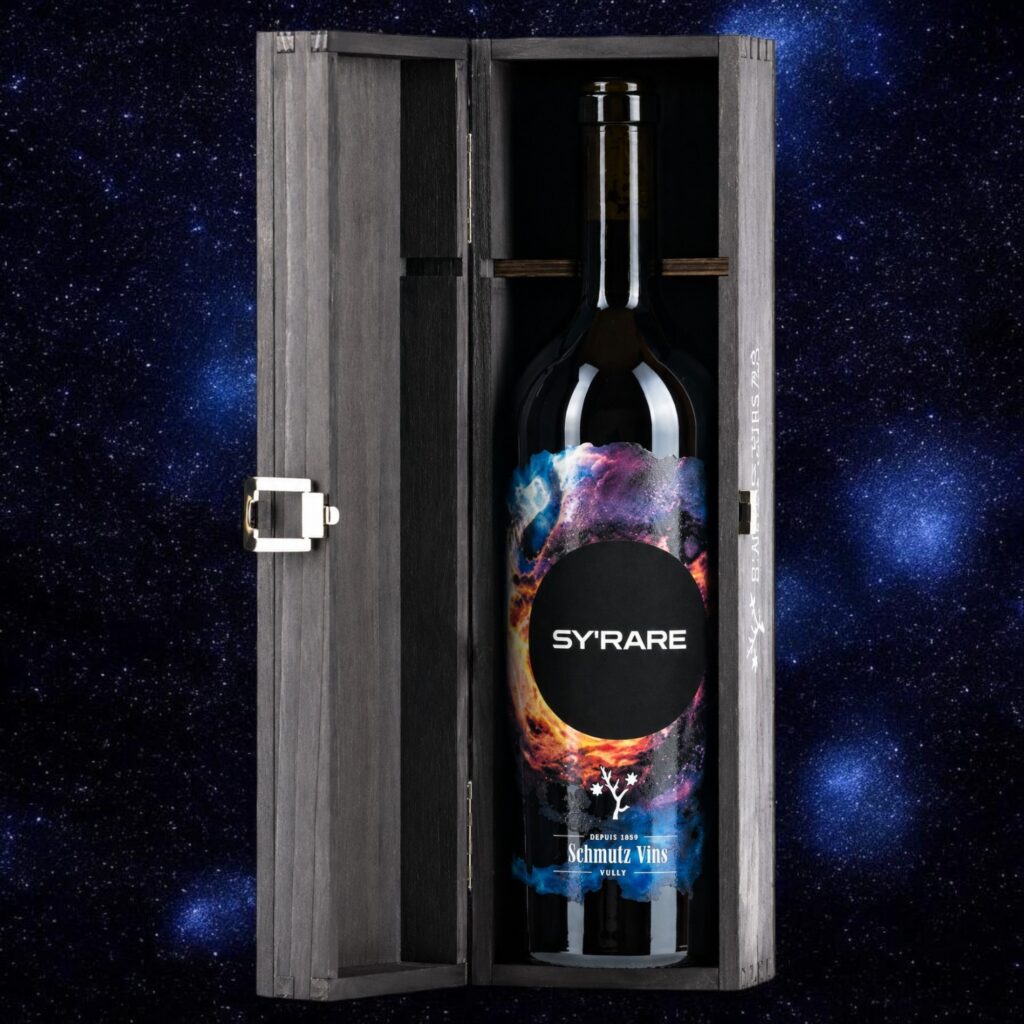
In recent years, digital printing has developed significantly and has also established itself in the beverage industry. Today, it is an ideal tool for high-quality packaging design. Its advantages include:
– Images and photos can be printed directly on the bottle
– Each bottle can become unique through numbering
– Embossed printing creates a tactile experience







4. Bottle closure
The closure is an opportunity to reinforce the brand image and communicate the quality of the product. This detail of the packaging design is important, as the end consumer will touch this part of your packaging every time they open the bottles of spirits.
5. Collar Branding
Whether wrapped vertically on the cap or placed around the neck, the neck label is a testament to the distillery’s attention to detail in the packaging design. It’s a great place to add a secondary message without cluttering the main brand image. The neck label can be used to color code different types of products within the line. Depending on the spirits bottle, the neck label can also be printed on the bottle.
6. The symbol of a brand
A custom illustration or graphic symbol visually expresses the history of a brand. It also serves as a distinguishing feature when describing the brand and is especially useful when the name is difficult to remember. These symbols can also be incorporated directly into the bottle, using a custom bottle shape. This is an effective way to differentiate yourself with your packaging design.
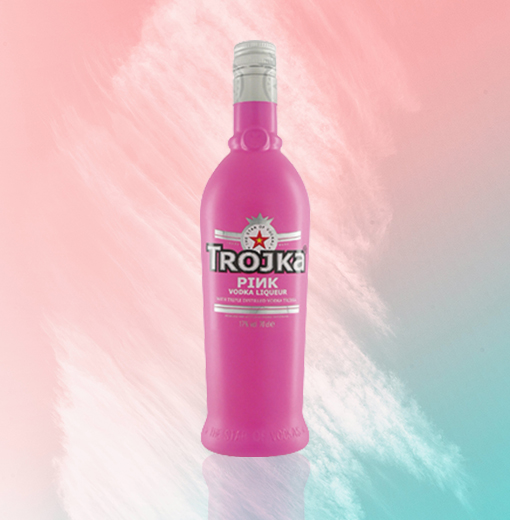
Personalised spirit bottles Trojka Vodka
The color and shape of these vodka bottles are incomparable. The eye-catching colors are particularly attractive to young spirit lovers. The Trojka spirits bottles are distinguished by the fact that the brand’s logo symbol has been integrated into the neck of the bottle. In addition, the glass bottles have been painted with an eye-catching color.
7. Keywords
A few keywords describing your product’s unique features or telling your brand story can be an addition to packaging design, as long as they don’t detract from the readability and impact of the brand logo and other important information. Themed keywords such as “organic” help make it a favorite brand.
8. Product type
Whether it’s whiskey, gin or vermouth, the product type on spirits bottles should be quickly apparent. However, care must be taken to ensure that the product type does not take precedence over the story or brand. The visibility of the product type on the packaging design is important so that the consumer can directly find what they are looking for.
9. Back side of the bottle
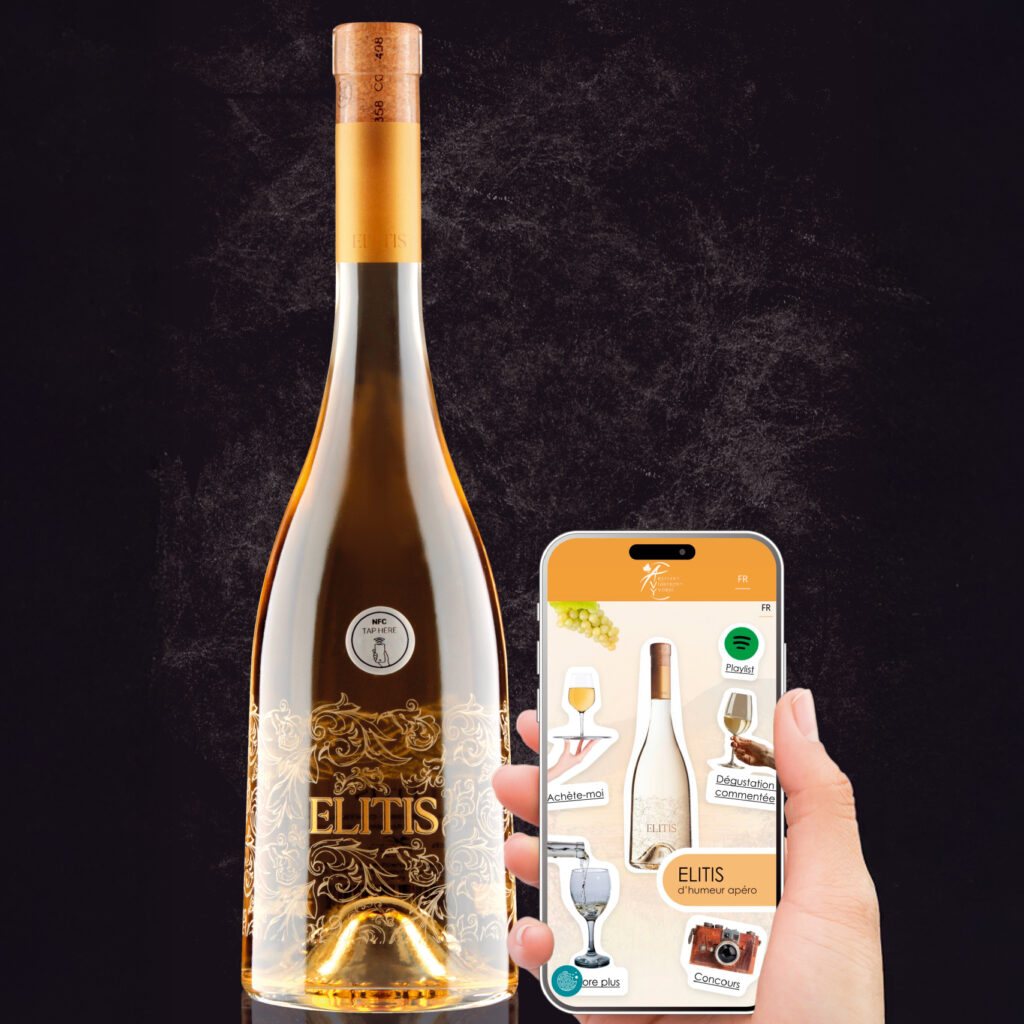
After the front of the packaging design has been perfectly staged and the consumer holds it in his hand, the back should not be ignored. This is the opportunity to tell the customer even more about the product. This can be done with images or text. Even more significantly, this can be done through augmented reality or a QR code that leads to a landing page with videos or additional information.
10. Legal requirements
Finally, it is of course important and essential that there is room on the packaging design for all the information required by law.