An ecological transition that also goes through the bottle
Viticulture is now at the heart of environmental challenges. Between evolving agricultural practices, regulatory pressure, and growing consumer expectations, producers are seeking concrete solutions to reduce their impact. Yet one often underestimated element plays a decisive role in the carbon footprint of wine: the bottle.
Glass production relies on demanding expertise, requiring high temperatures and controlled energy consumption. While this aspect represents an environmental challenge for the sector, it does not call into question the fundamental advantages of glass: a noble, inert material that is infinitely recyclable. The evolution therefore does not lie in replacing glass, but in rethinking its uses. In this context, bottle reuse emerges as a relevant solution.
Reuse: an intelligent return to the circular economy
Rather than systematically recycling glass, reuse offers a more sustainable approach. A bottle is collected, washed, inspected, and then put back into circulation. This cycle can be repeated many times without compromising the quality of the container.
In practice, a bottle can be filled once or twice a year and reused up to fifty times. This means it can remain in circulation for several decades, significantly reducing the production of new bottles and, consequently, the associated CO₂ emissions.
This model fully aligns with the principles of the circular economy, where waste becomes a resource and every product is designed to last.
Screen printing and washing: practical solutions for reuse
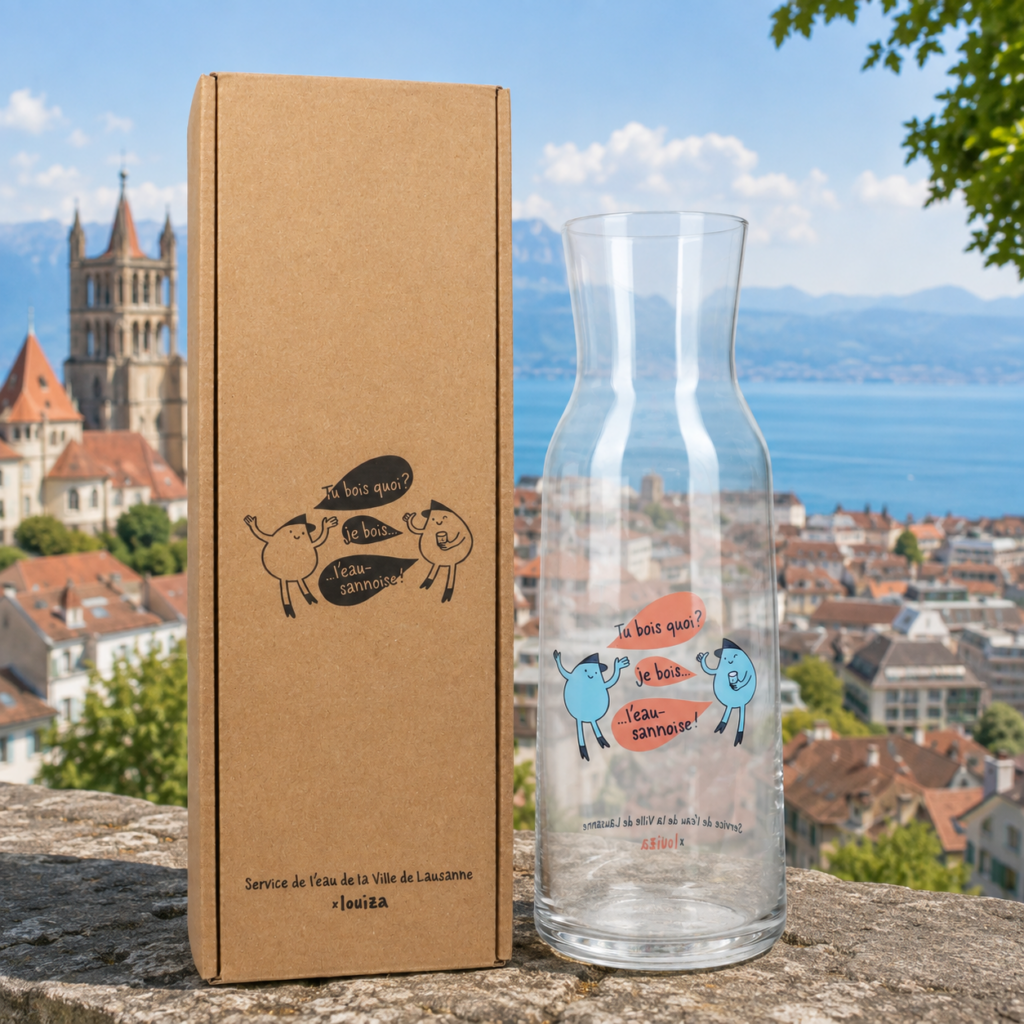
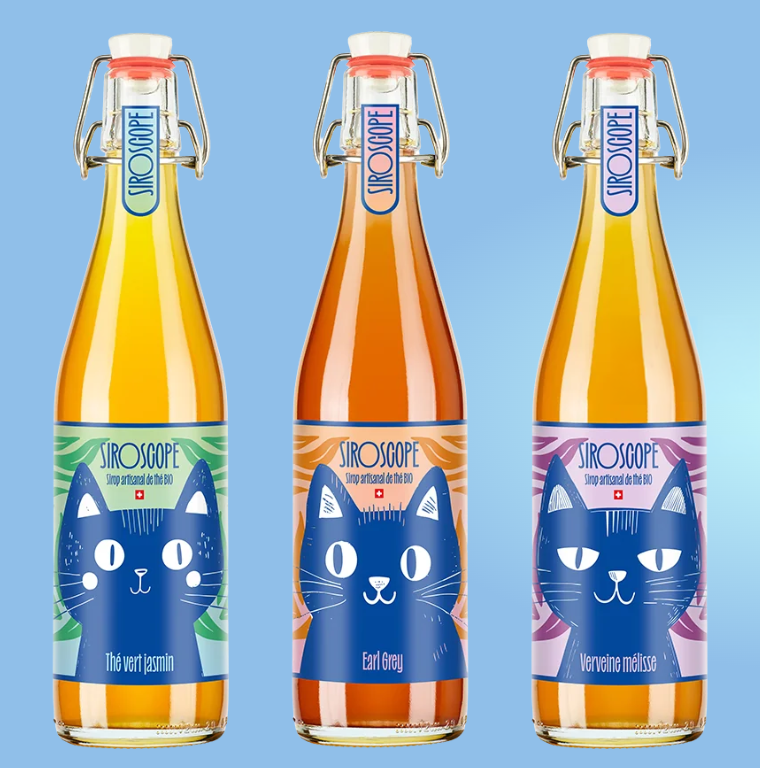
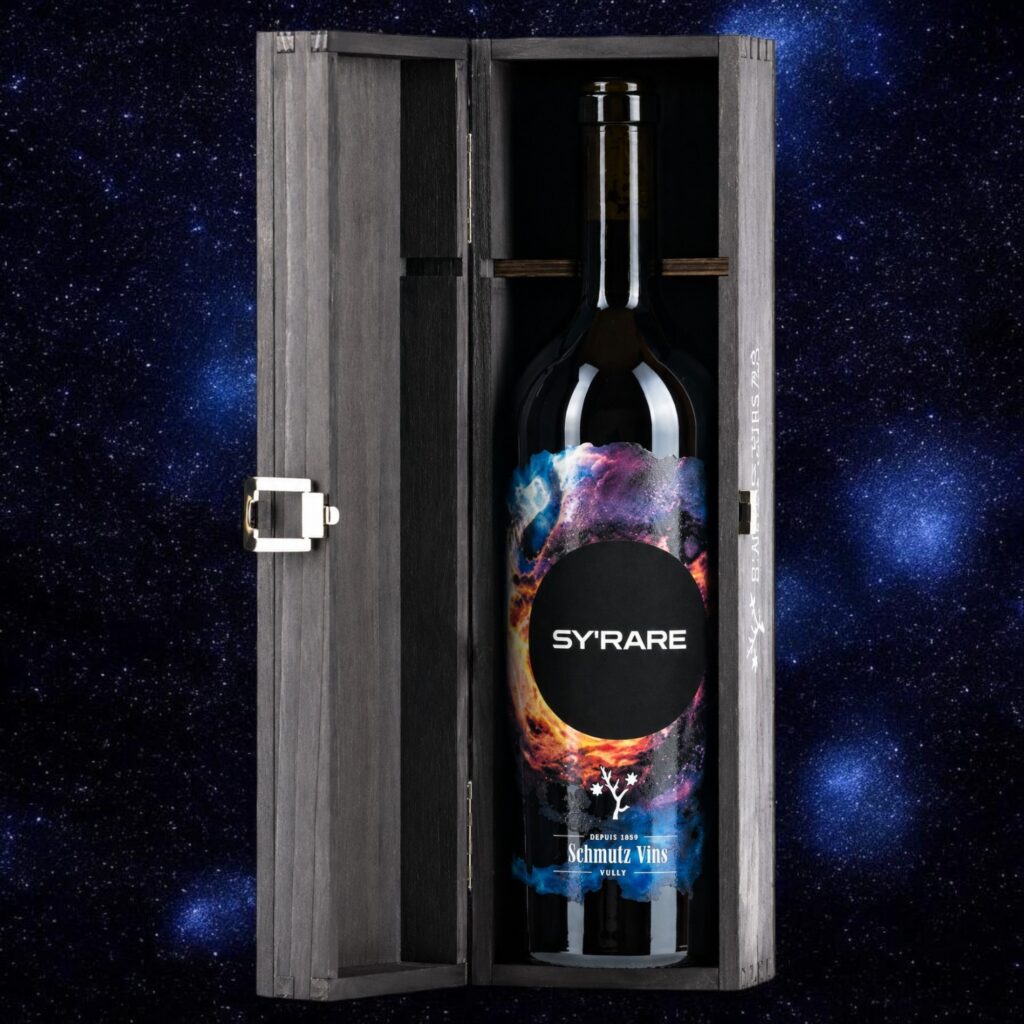
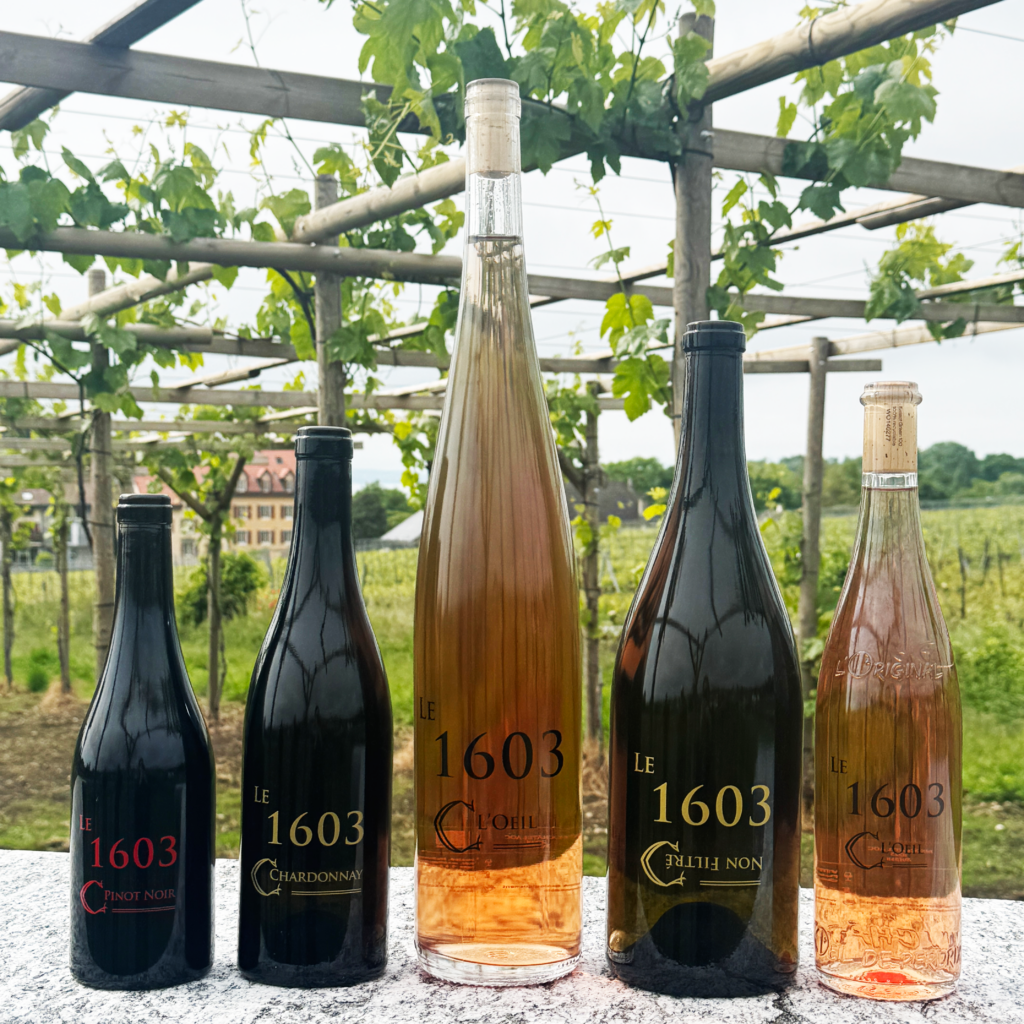
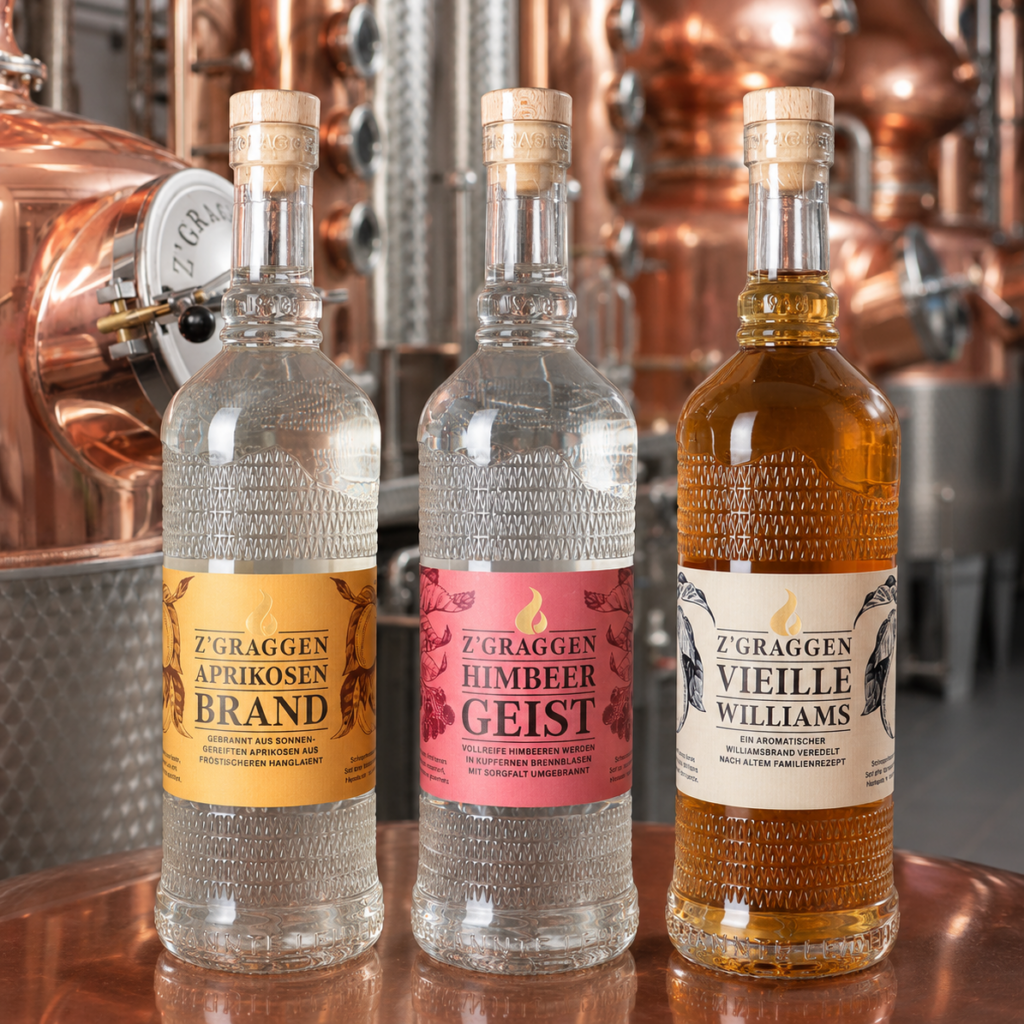
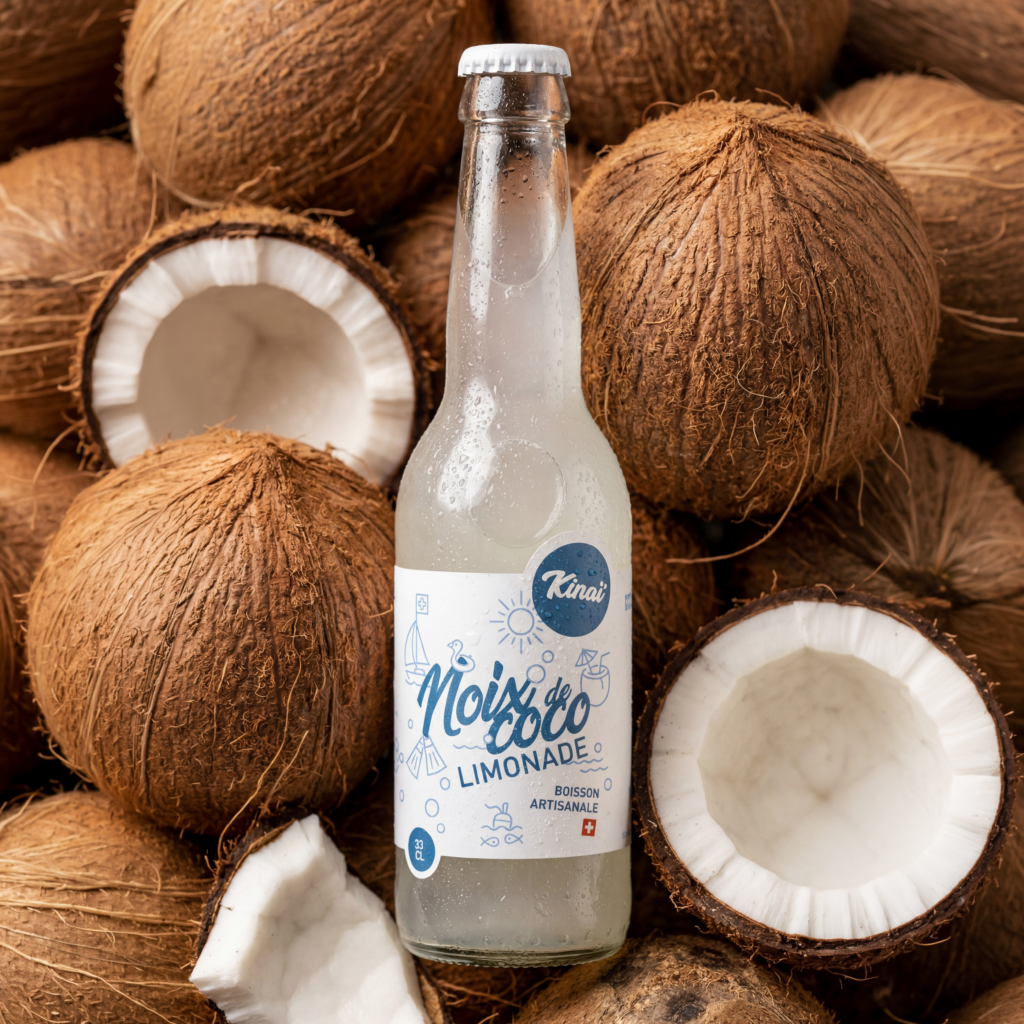
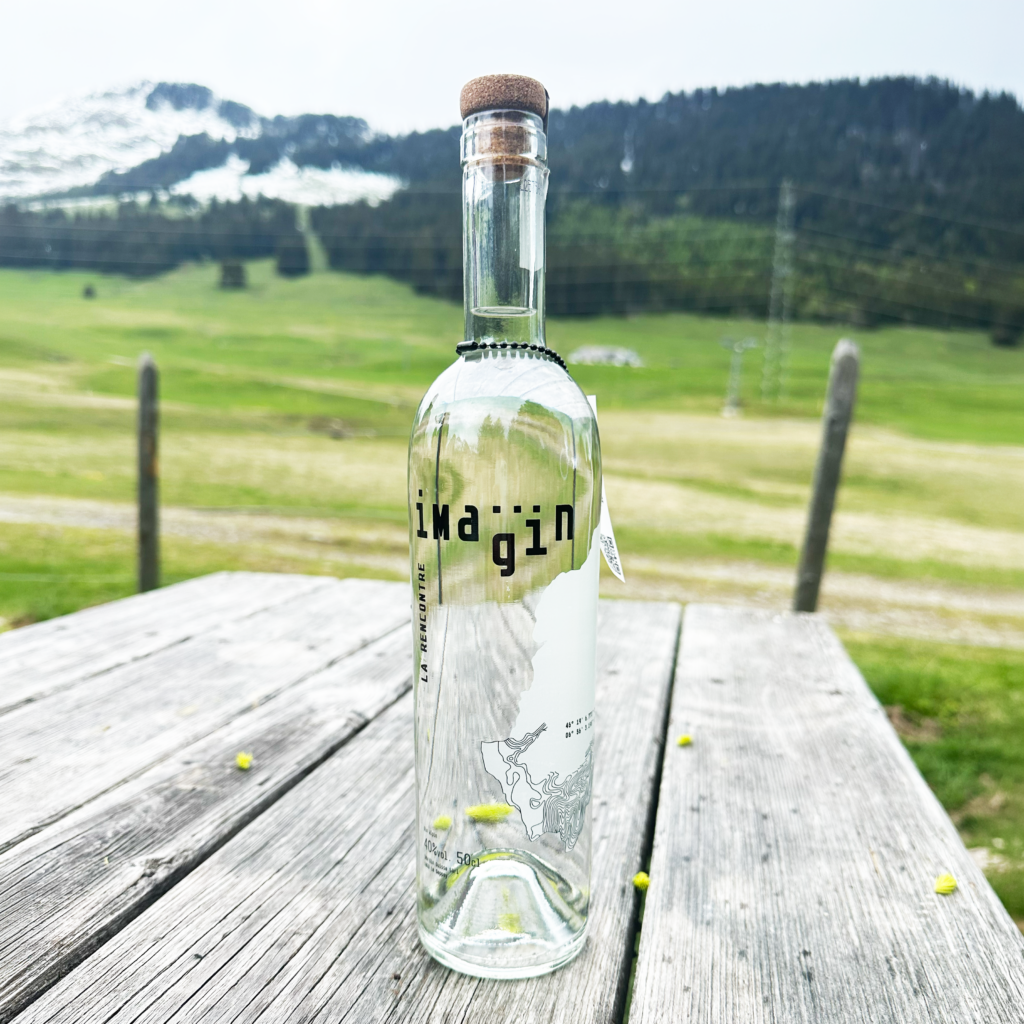
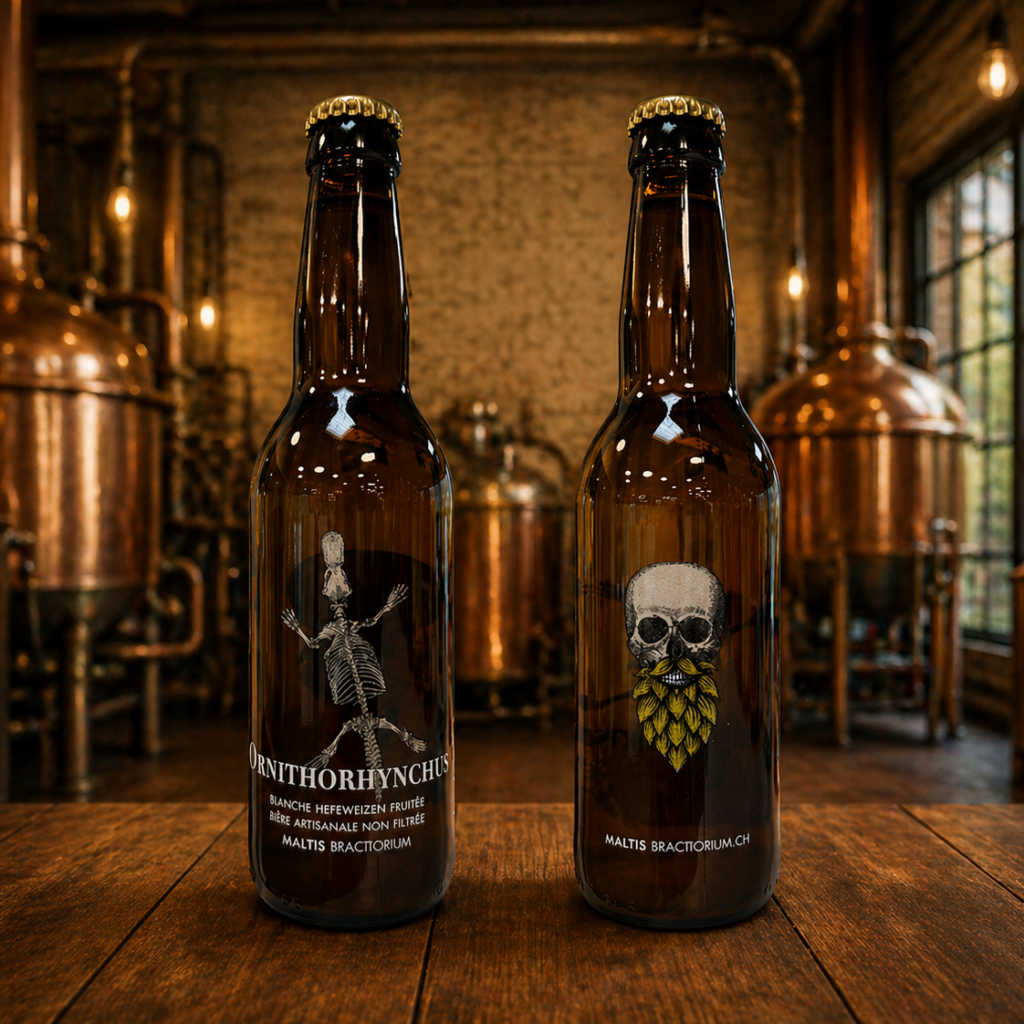
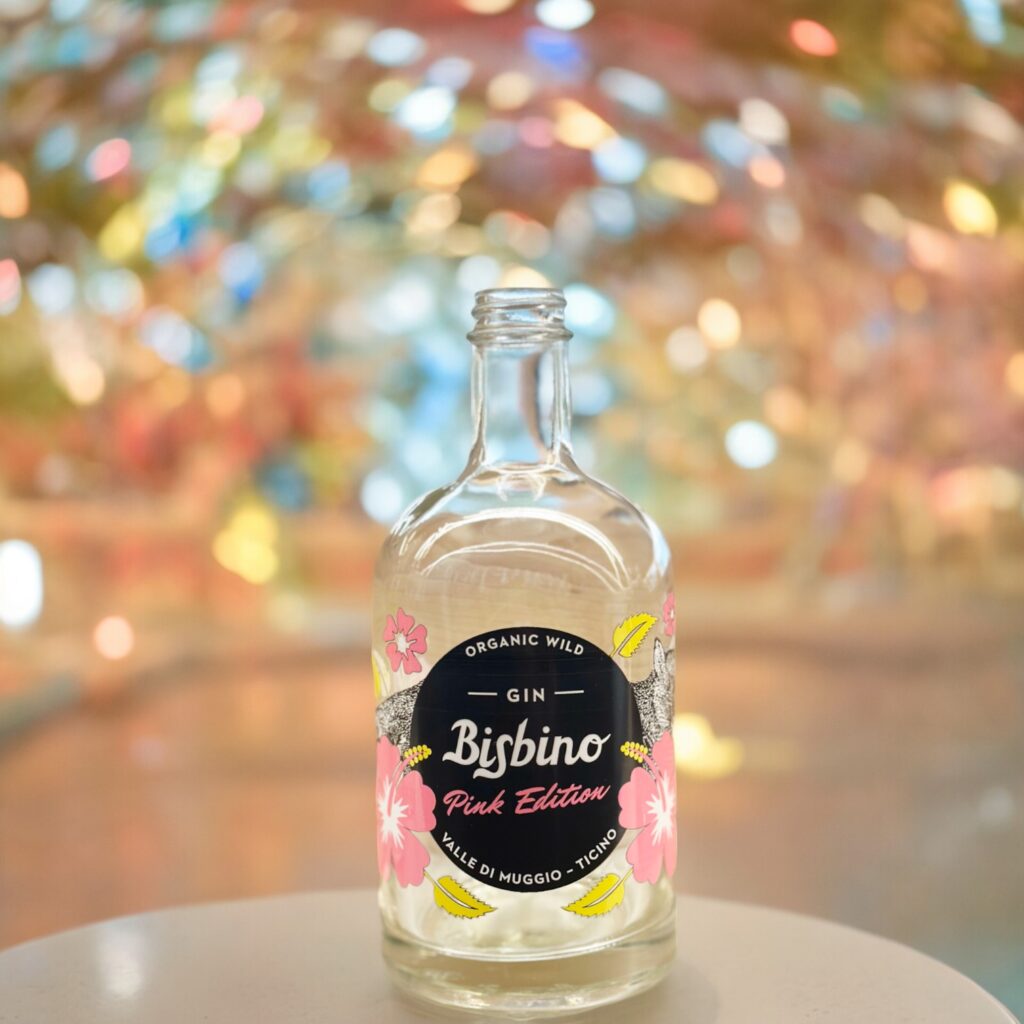
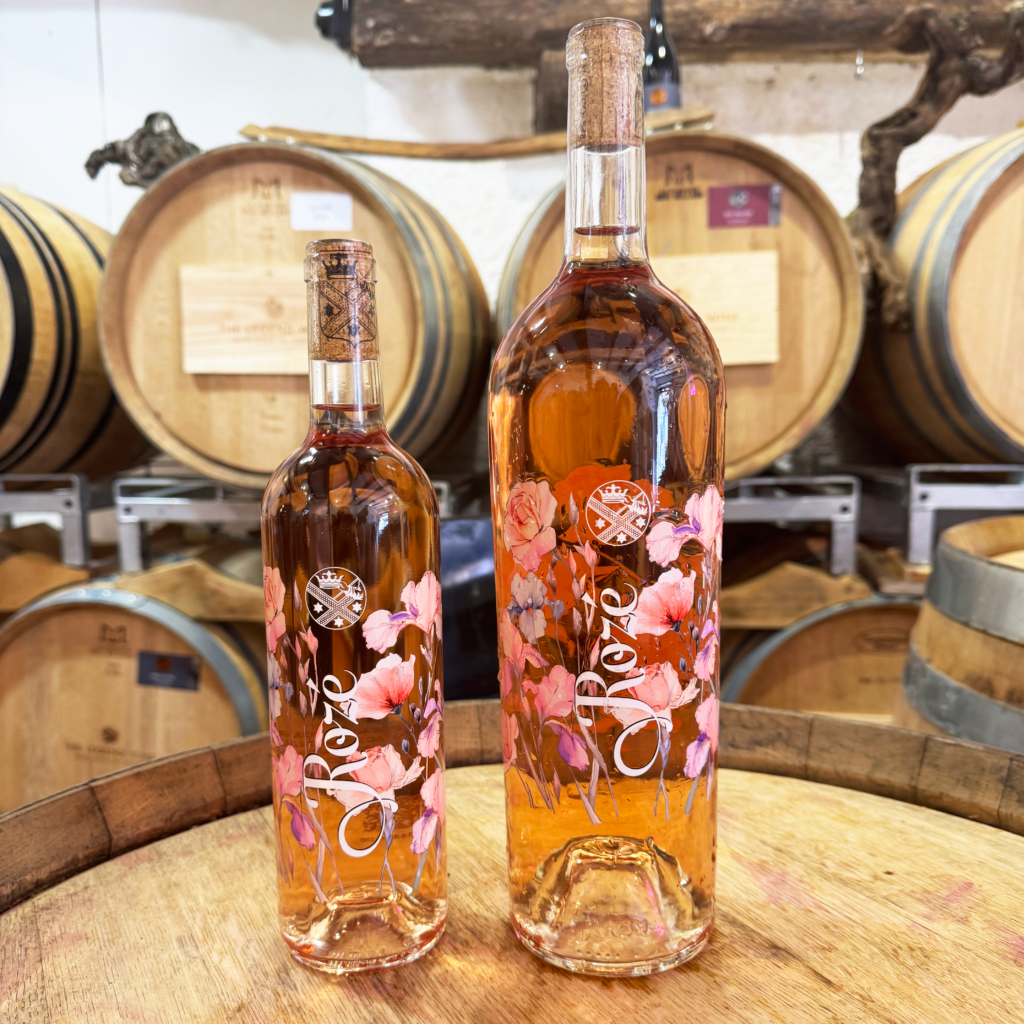
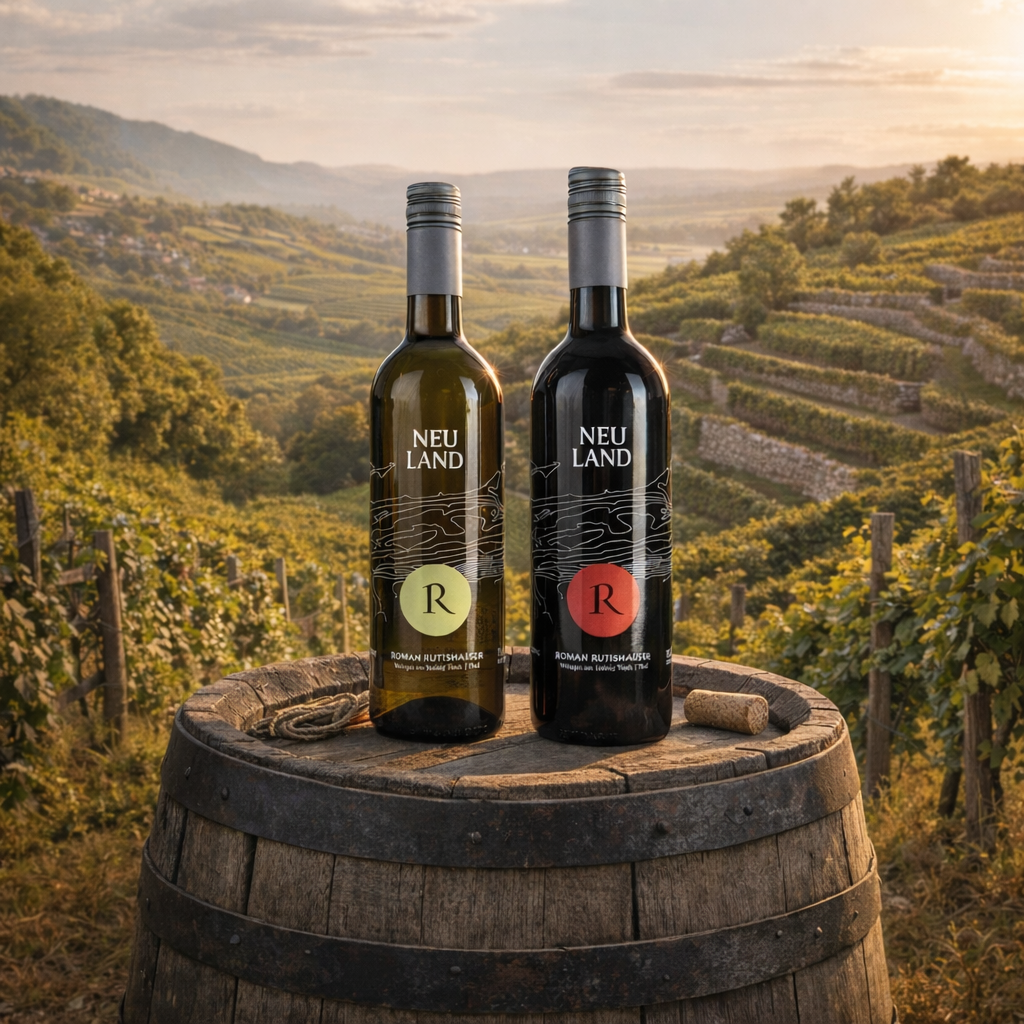
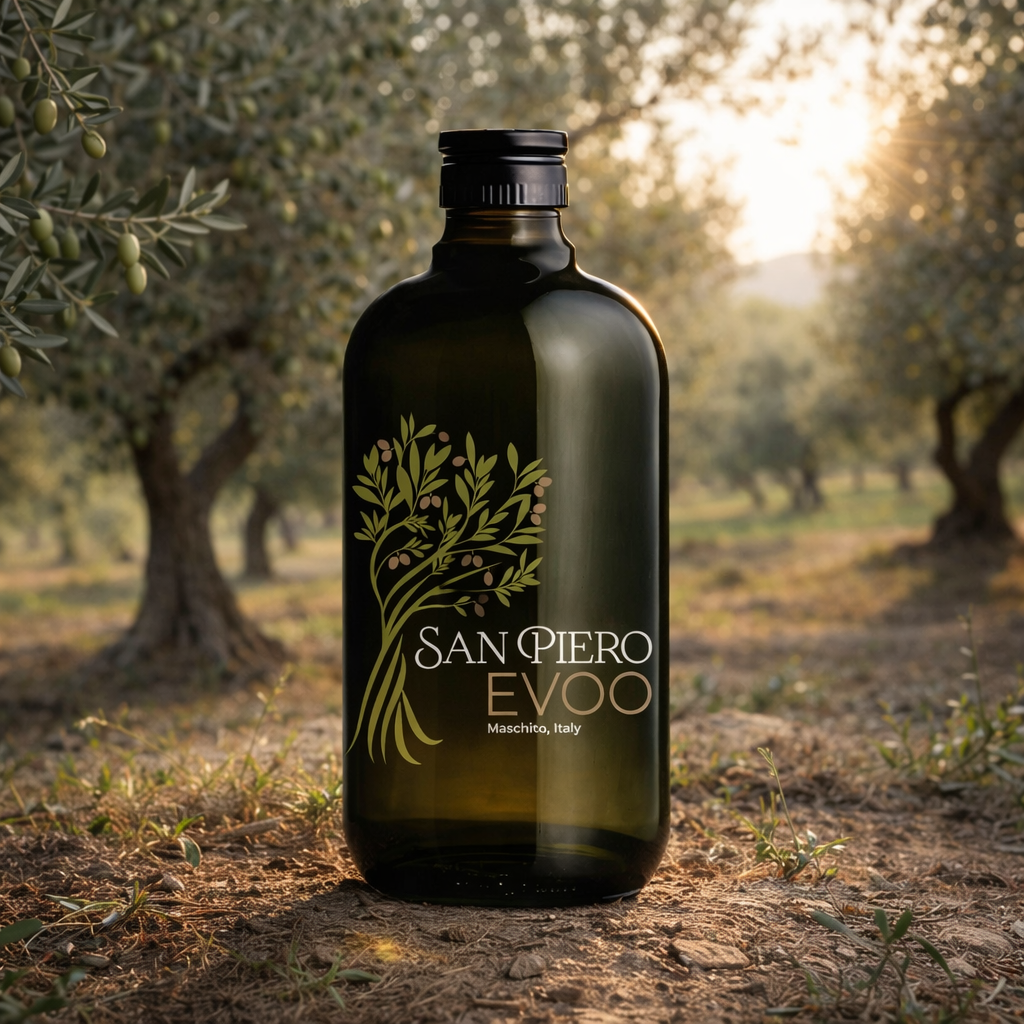
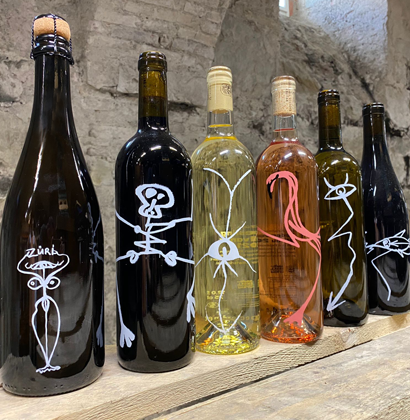
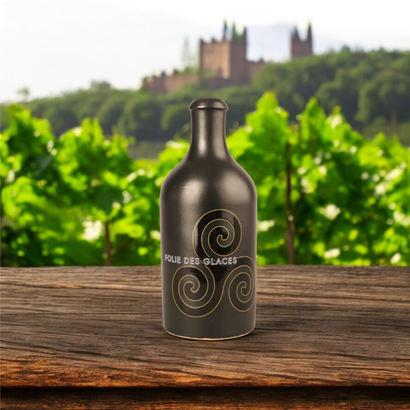
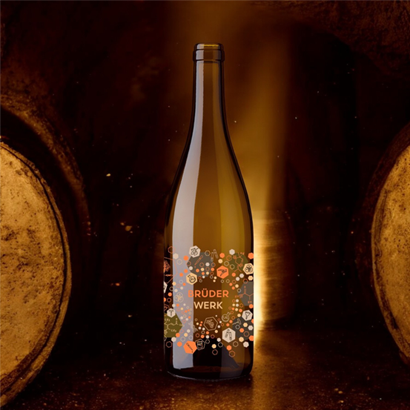
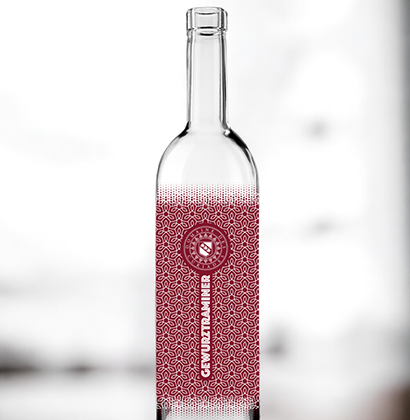
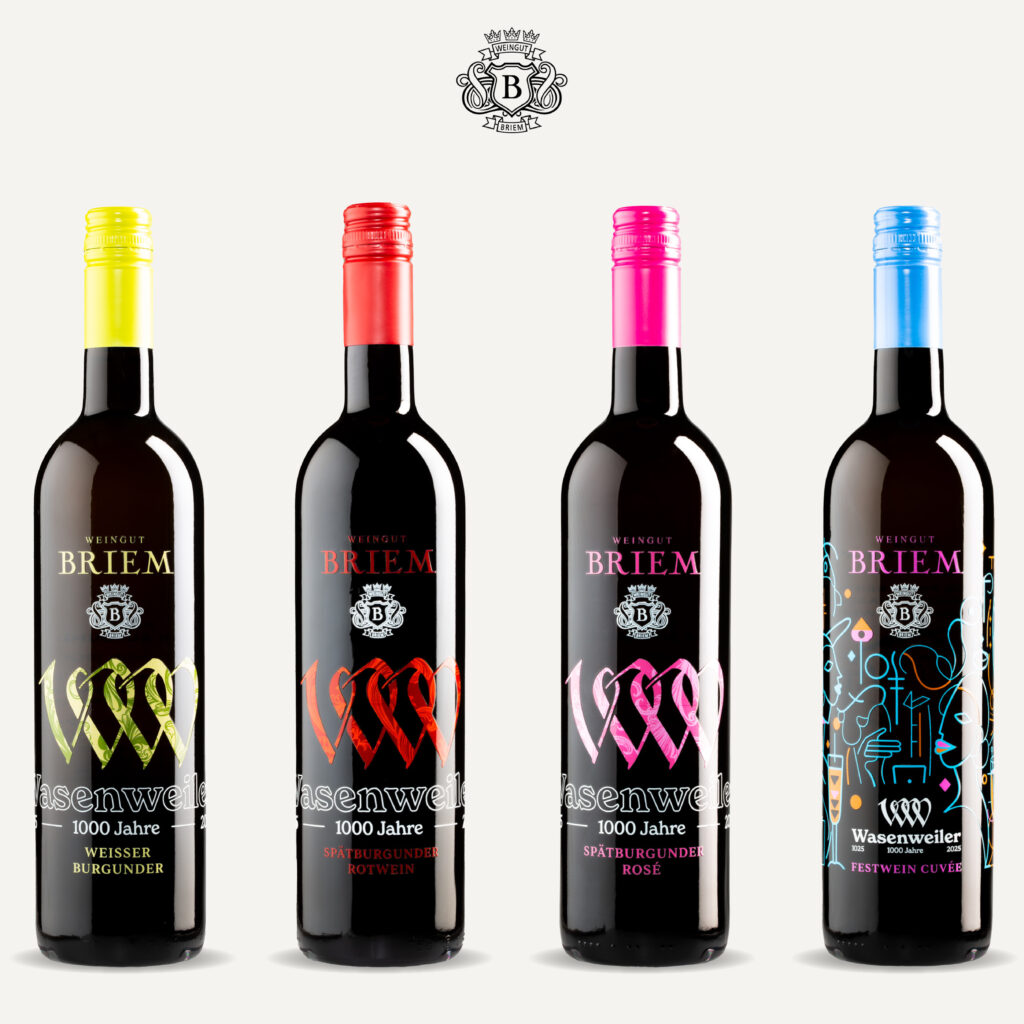
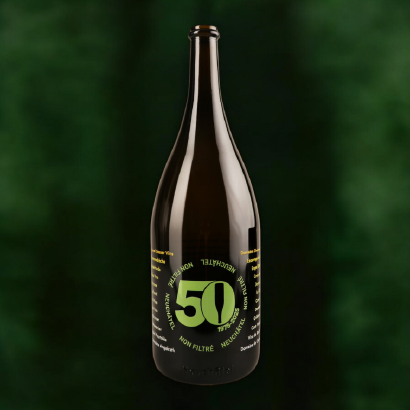
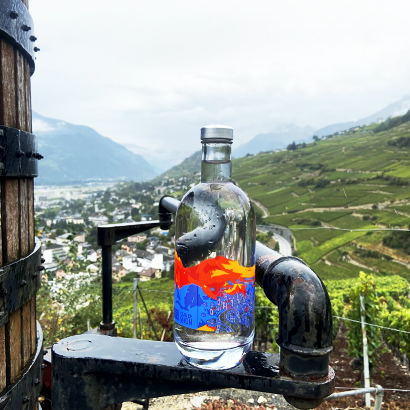
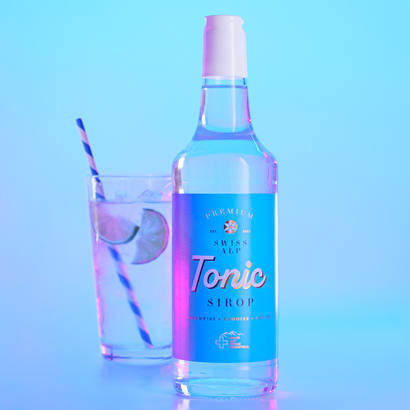
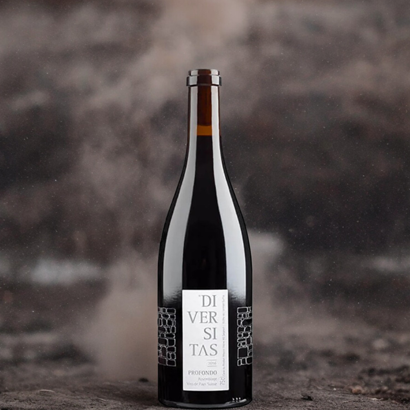
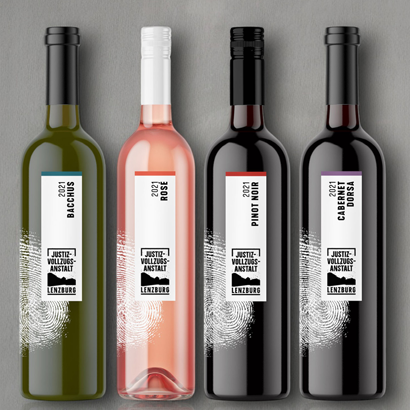
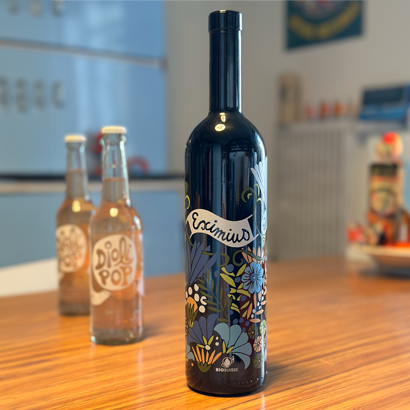
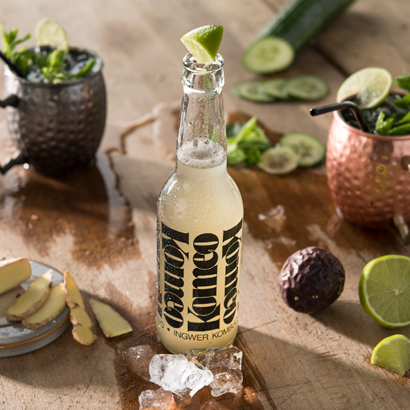
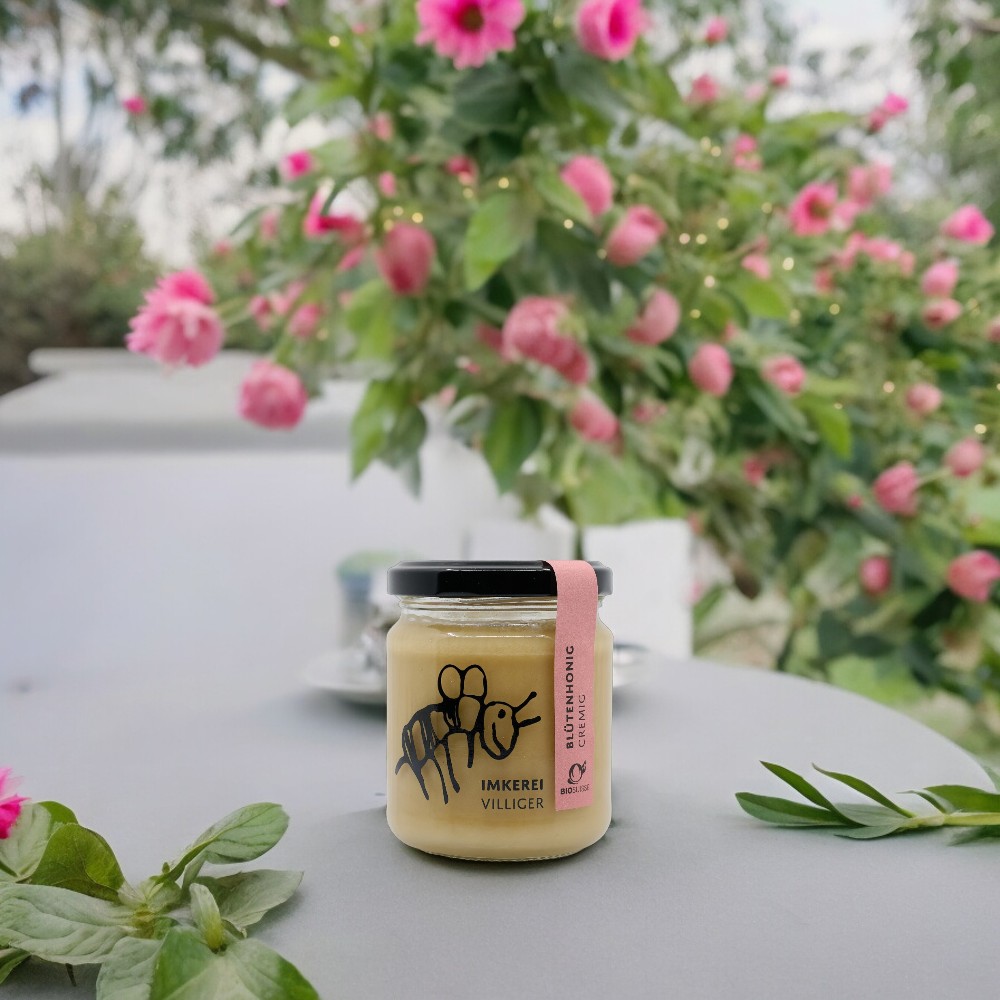
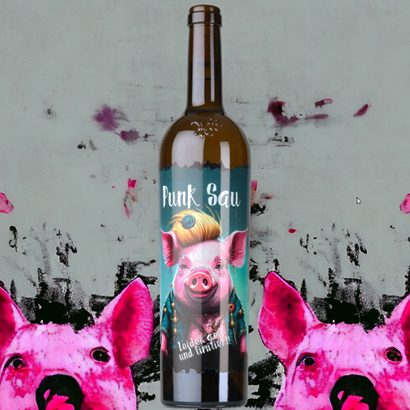
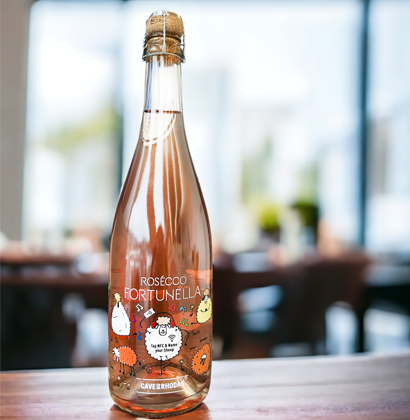
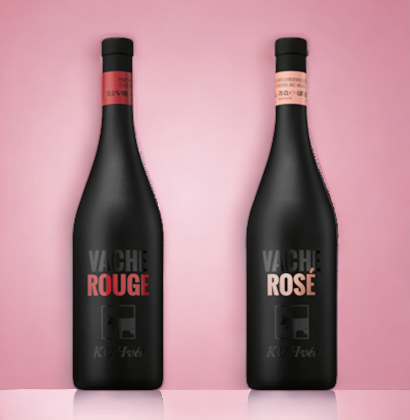
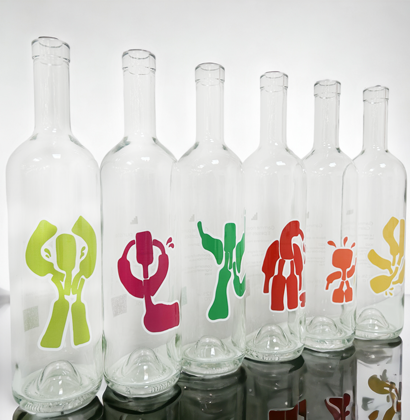
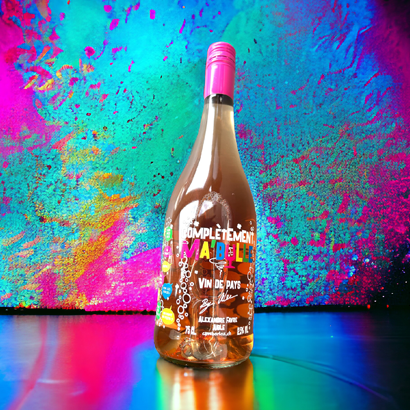
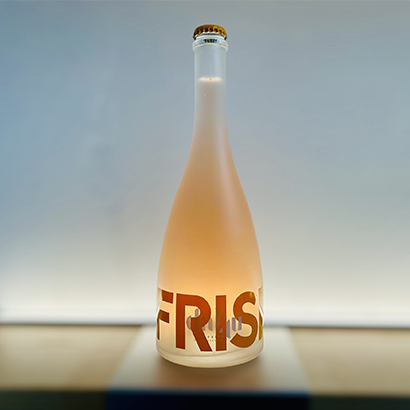
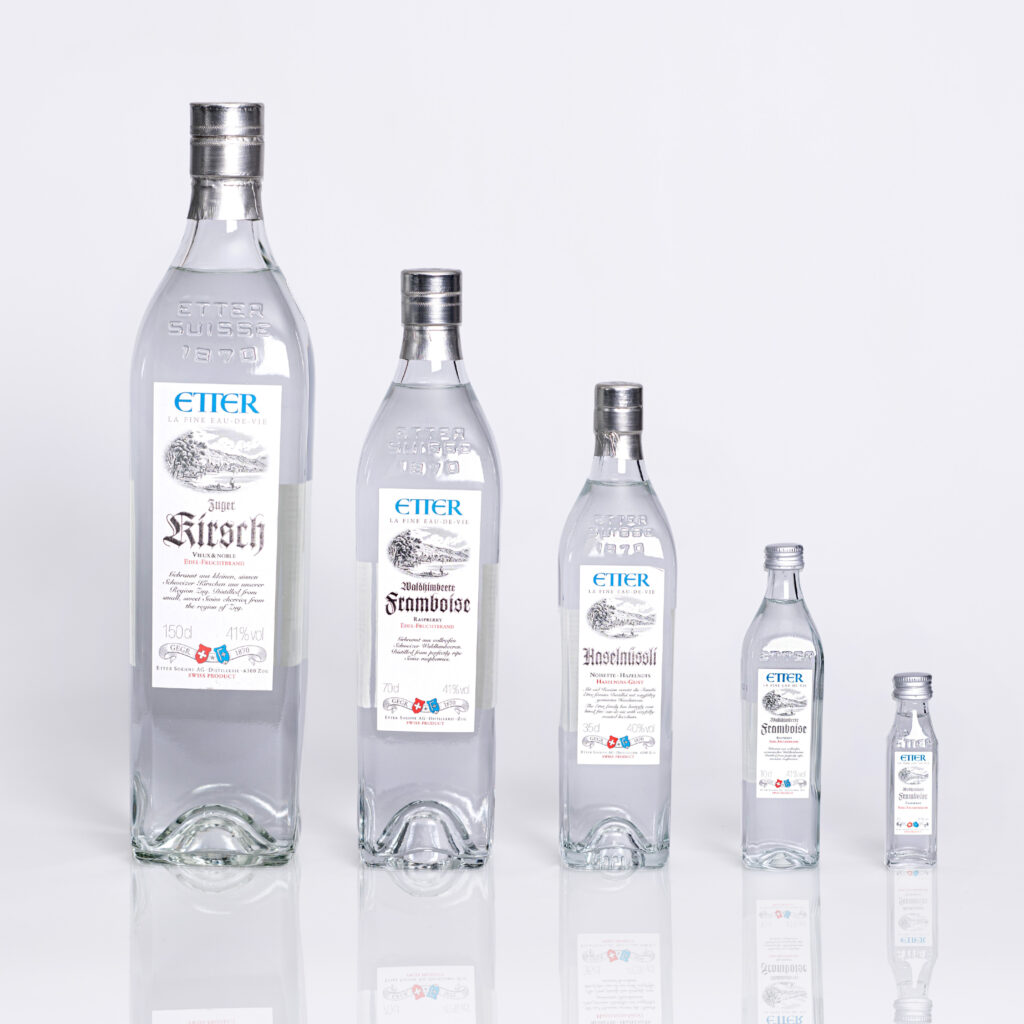
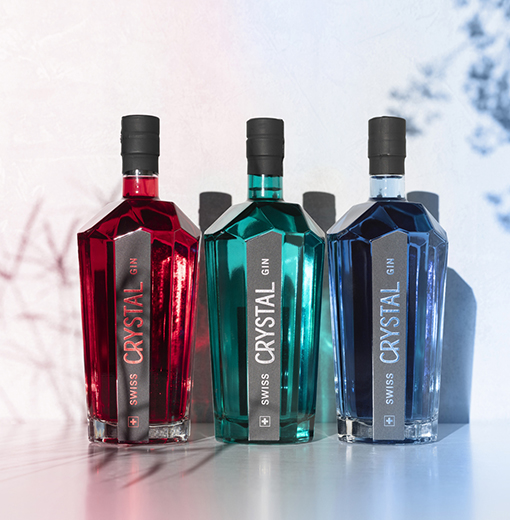
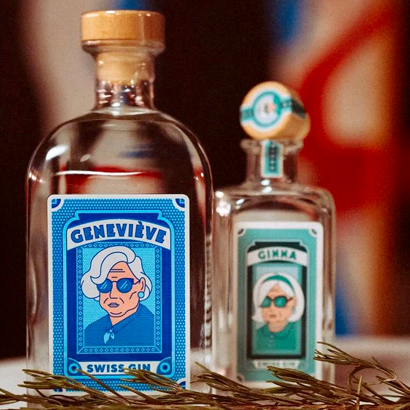
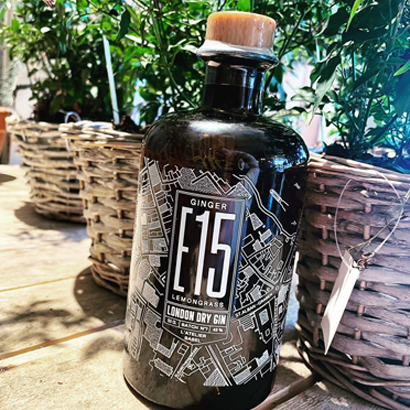
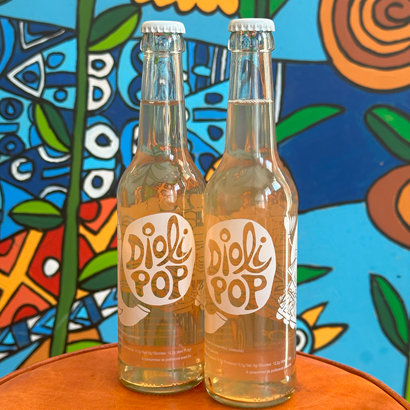
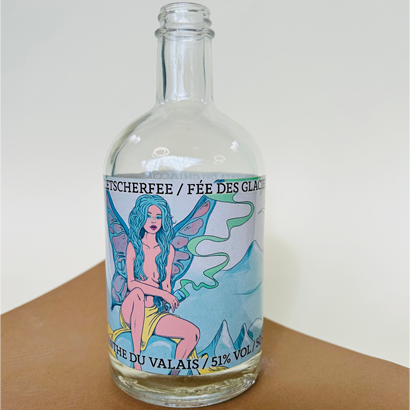
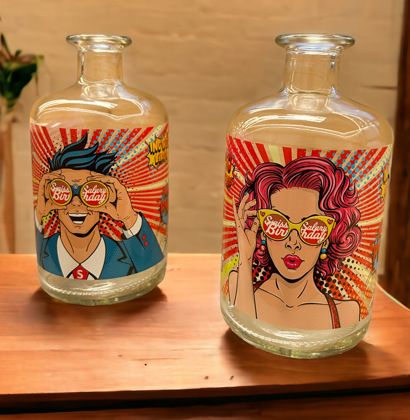
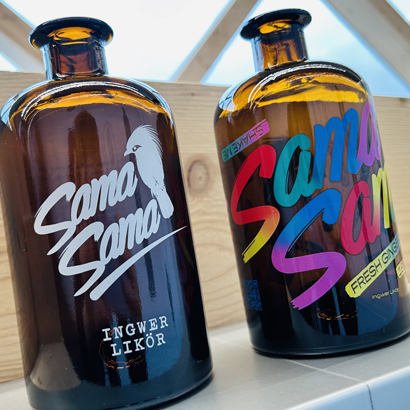
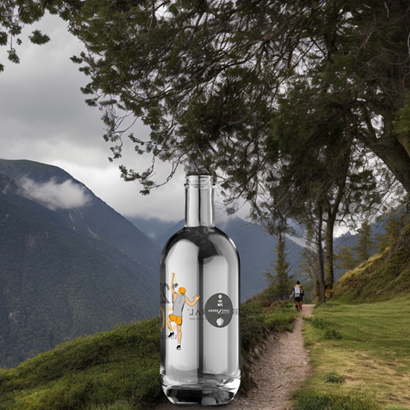
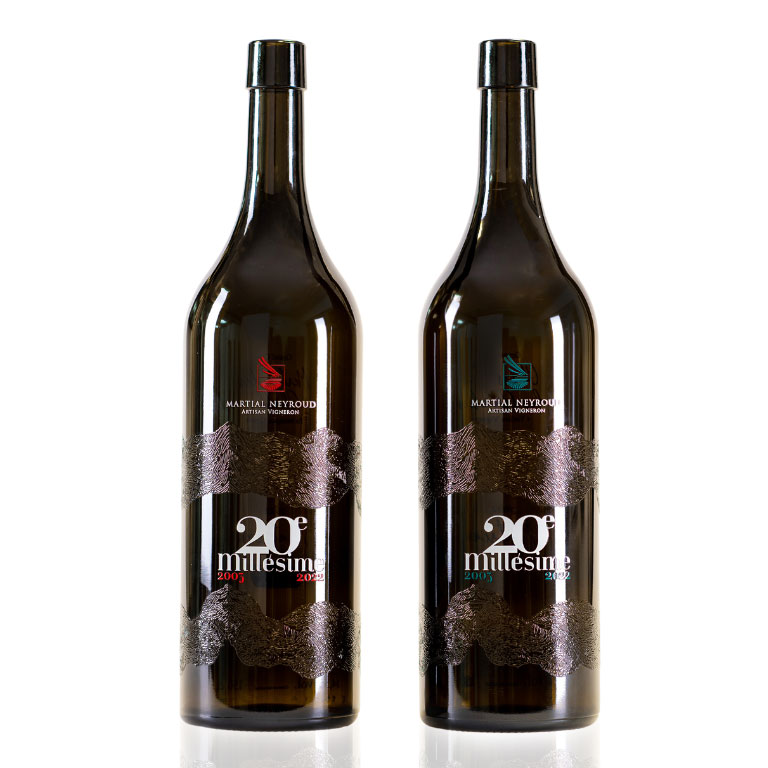
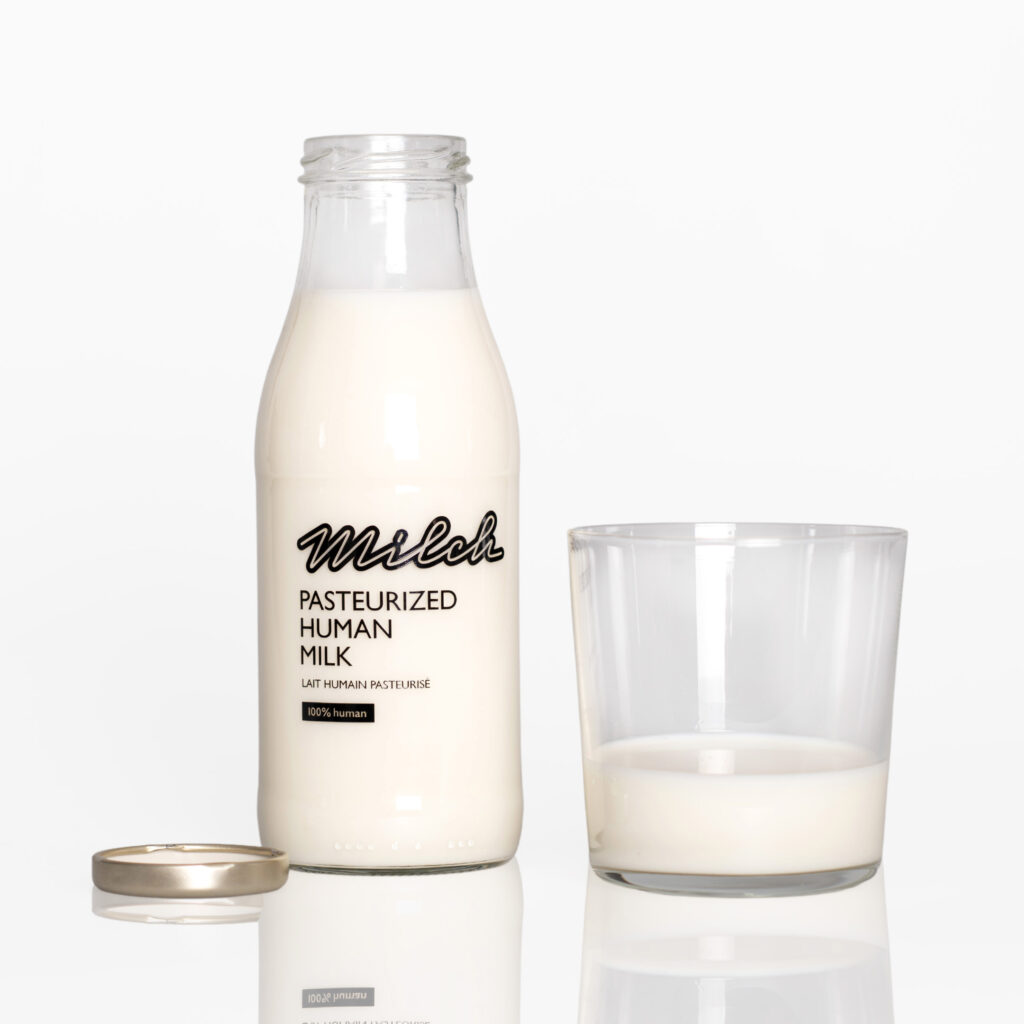
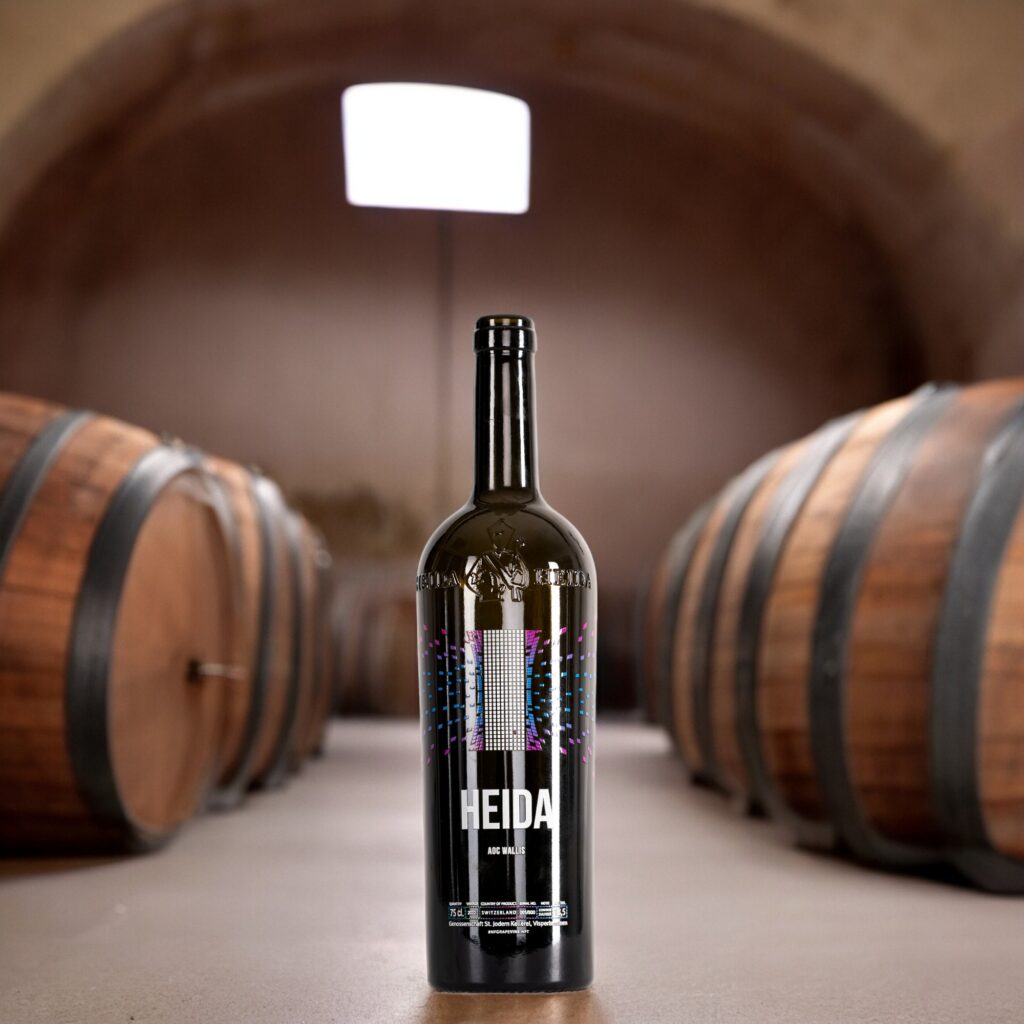
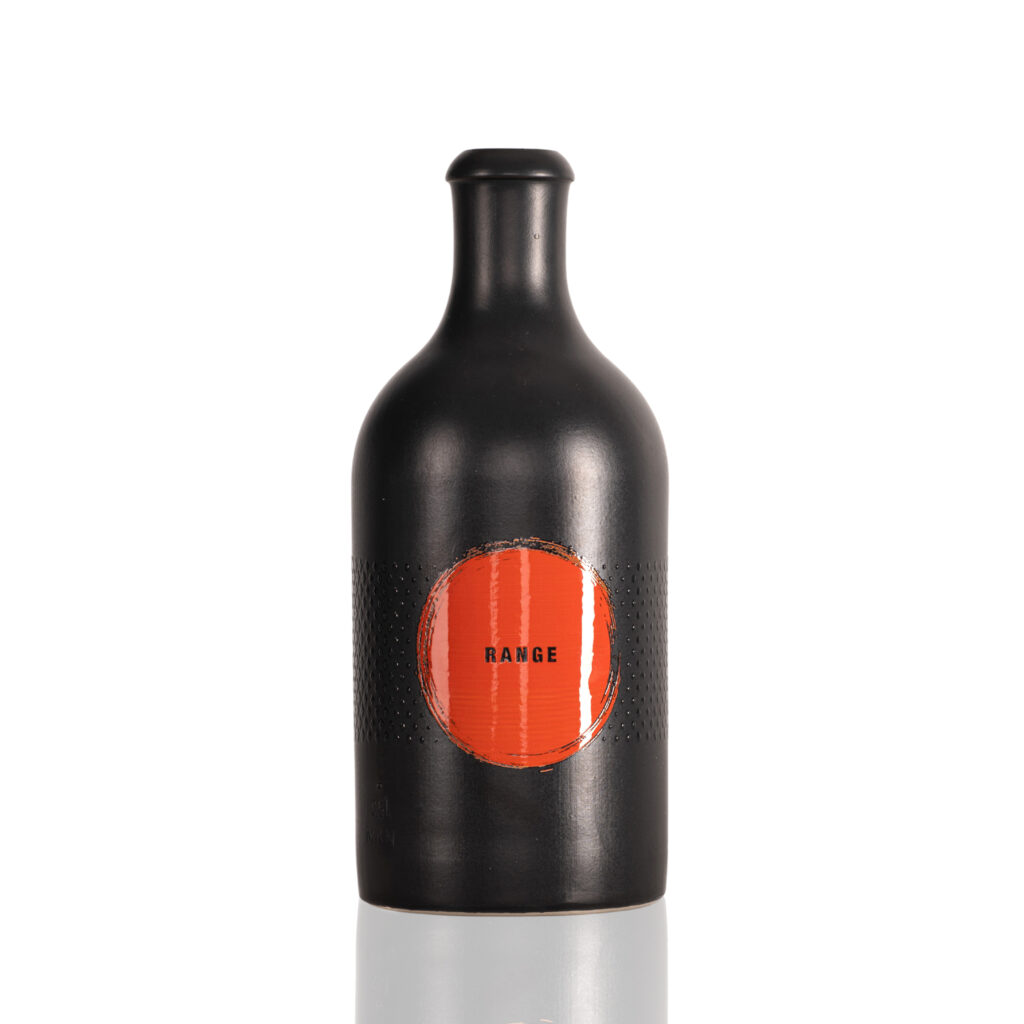
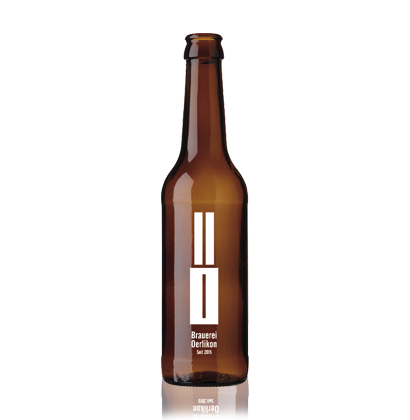
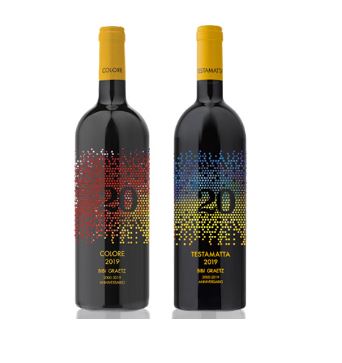
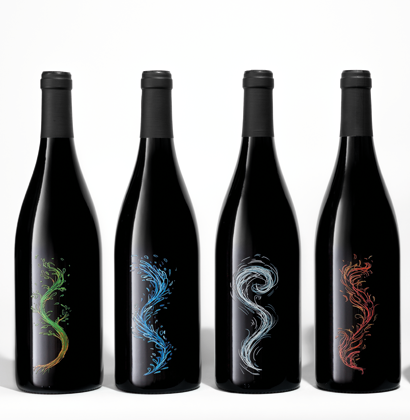
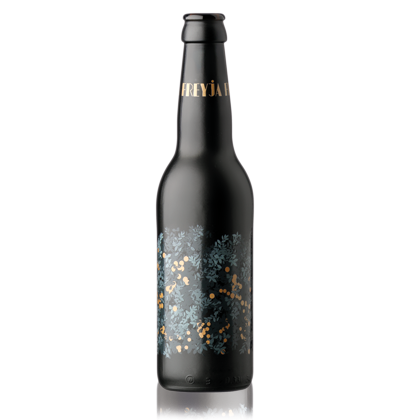
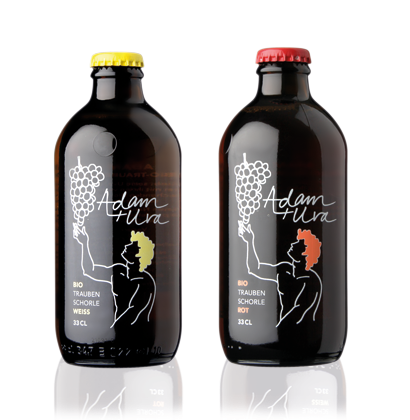
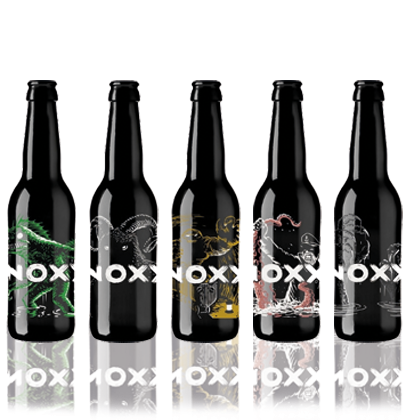
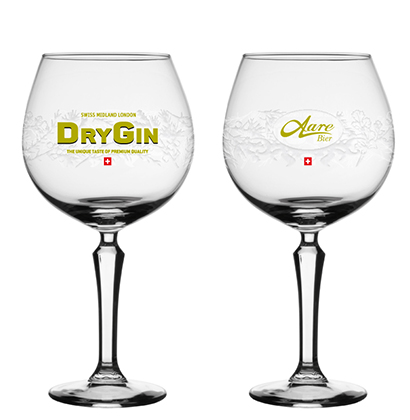
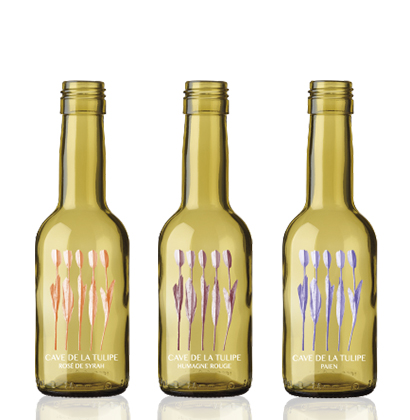
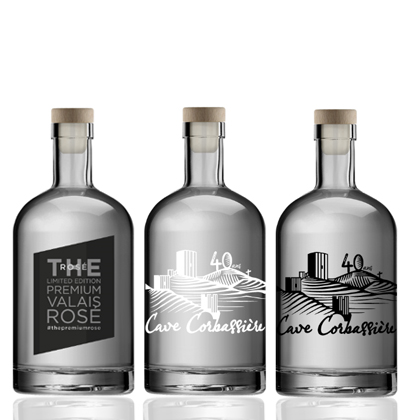
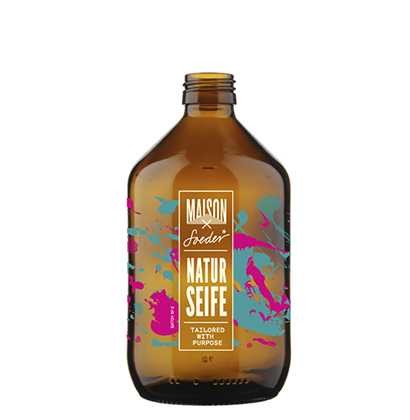
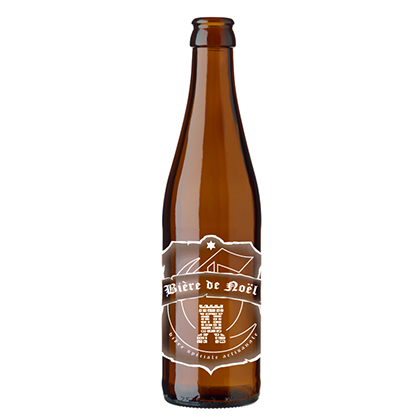
Several clients have chosen customization through screen printing in order to make their bottles washable. This makes it possible to avoid the use of paper labels and adhesives, which are often incompatible with repeated washing. Indeed, screen printing offers excellent resistance to both industrial and domestic washing cycles, ensuring that designs remain intact over time without visual degradation.
This solution is fully in line with a sustainability approach, as it promotes the reuse of containers and limits waste generated by damaged or non-recyclable labels. In addition, it simplifies cleaning and end-of-life recycling operations, as it removes the need to separate different materials. Screen printing thus helps extend the lifespan of bottles while reducing their overall environmental impact.

Univerre: Swiss expertise serving sustainability
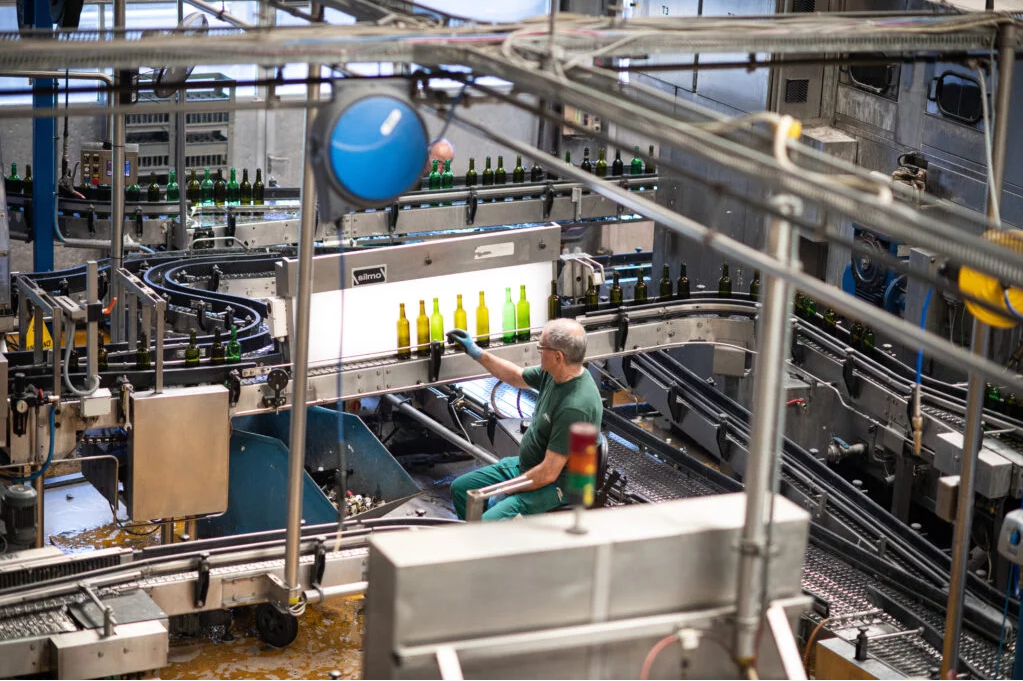
Since 1987, Univerre has established itself as a reference in industrial bottle washing. With a processing capacity of up to 24 million bottles per year, the company plays a key role in structuring a large-scale reuse system.
Located in the heart of Valais, Univerre’s washing center is based on rigorous control at every stage. Each bottle is carefully inspected to ensure the absence of residues, foreign bodies, or defects. Regular checks carried out in collaboration with an engineering school further reinforce this level of quality, ensuring producers consistent and reliable standards.
Logistics designed to simplify producers’ operations
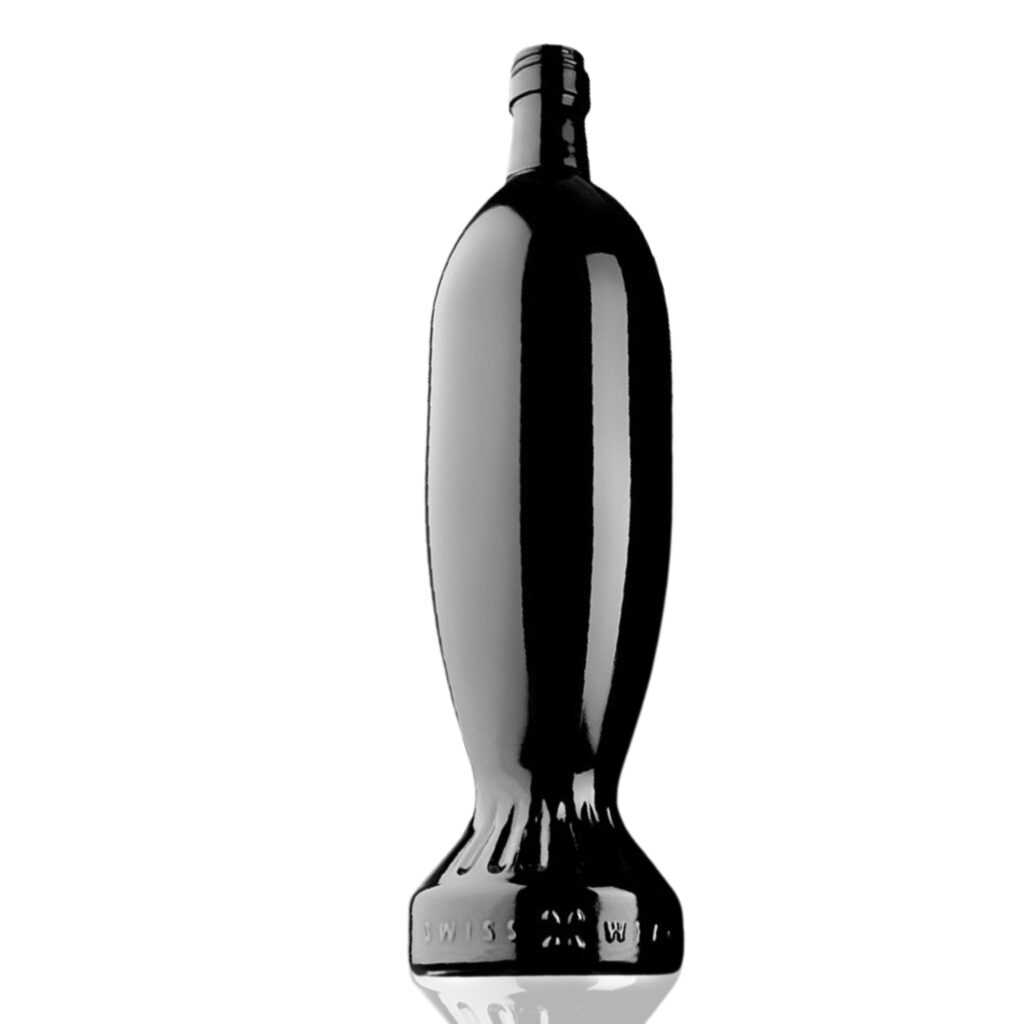
Reuse cannot function without efficient logistics. That is why Univerre has developed a comprehensive system that facilitates bottle management for winegrowers. The accepted formats cover a wide range of standards, allowing great flexibility in production lines.
Beyond washing, Univerre also offers practical solutions to simplify transport and reduce waste. The reusable crates provided replace single-use cardboard boxes and can be integrated into professional supply chains, the HORECA sector, or even private use. This logistical choice helps reduce the environmental footprint while optimizing flows.

Washable self-adhesive labels to reduce losses
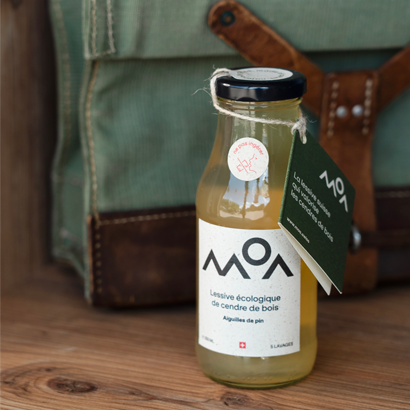
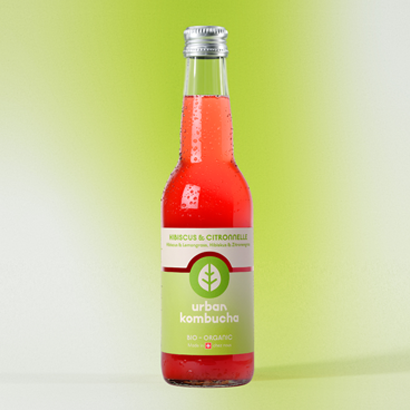
One of the historical barriers to bottle reuse lies in losses during washing, often caused by unsuitable labels. To address this issue, Univerre, in collaboration with a Belgian company, has developed a washable self-adhesive label that significantly improves process efficiency.
Thanks to this innovation, bottle loss rates can be reduced from 18% to just 5%. This gain is not only environmental but also economic, as every recovered bottle represents direct savings for the producer.
A sustainable and economically relevant solution
Adopting bottle reuse is not only an environmental approach—it is also a strategic decision. By finding the right balance between washing and purchasing new bottles, producers can reduce production costs while limiting their dependence on raw materials.
In Switzerland, this approach also helps reduce certain costs related to advance disposal fees, further strengthening the economic appeal of the model. Sustainability thus becomes a driver of competitiveness rather than a constraint.
A holistic approach to environmental impact
What truly sets players like Univerre apart is their commitment across the entire value chain. The washing center is powered by solar panels, handling equipment runs on electricity, and transport is evolving towards increasingly clean solutions, notably with the introduction of electric trucks and forklifts.
The process itself is designed to minimize resource use. Cleaning products are filtered and reused, water is optimized at every stage, and materials such as capsules or labels are recovered for recycling. This closed-loop logic makes it possible to reduce environmental impact far beyond the washing process alone.