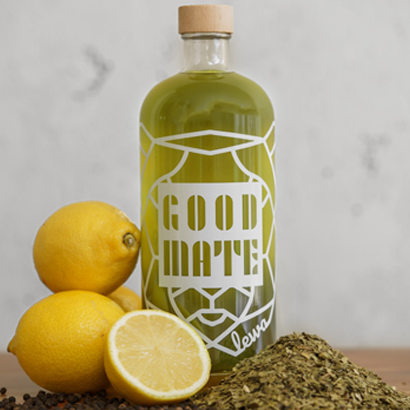
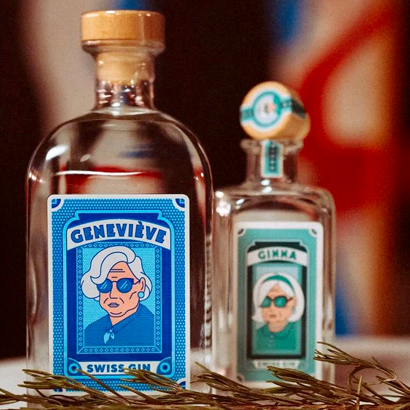
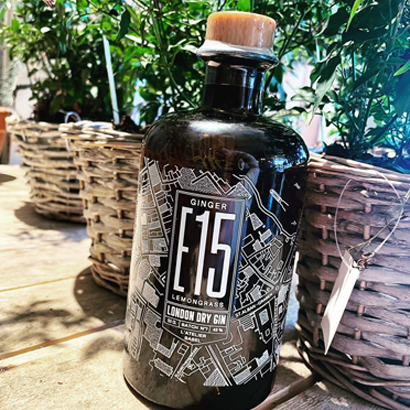
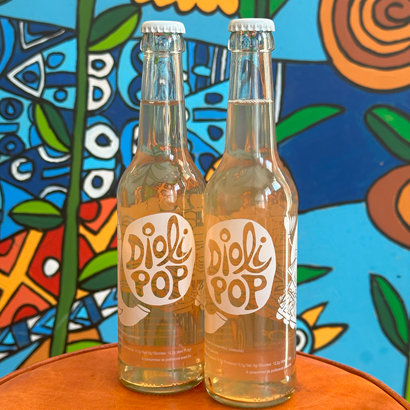
The Swiss beverage market is undergoing a silent yet profound transformation. It is not simply a matter of changing volumes or occasional shifts in habits. It represents a structural shift in the relationship to consumption, quality, and sustainability.
The MIS Trend 2025 study, conducted by Univerre Pro Uva SA among 1,000 individuals aged 25 to 55 in French- and German-speaking Switzerland in autumn 2025, provides a detailed perspective on this transformation. It analyzes not only consumption habits for water, soft drinks, beer, wine, and spirits, but also the role packaging plays in purchase decisions, perceived quality, and the acceptance of innovation.
The results highlight one essential insight: packaging is not always the primary purchase criterion, but it strongly influences the perceived value of a product.
Contrasting Consumption Habits Across Segments
Water remains, unsurprisingly, the most frequently consumed beverage. Nearly 90% of respondents report drinking it daily or almost daily. It is a stable, low-emotion category where functionality dominates. Differences between subgroups are limited, except that women consume water daily significantly more often than men.
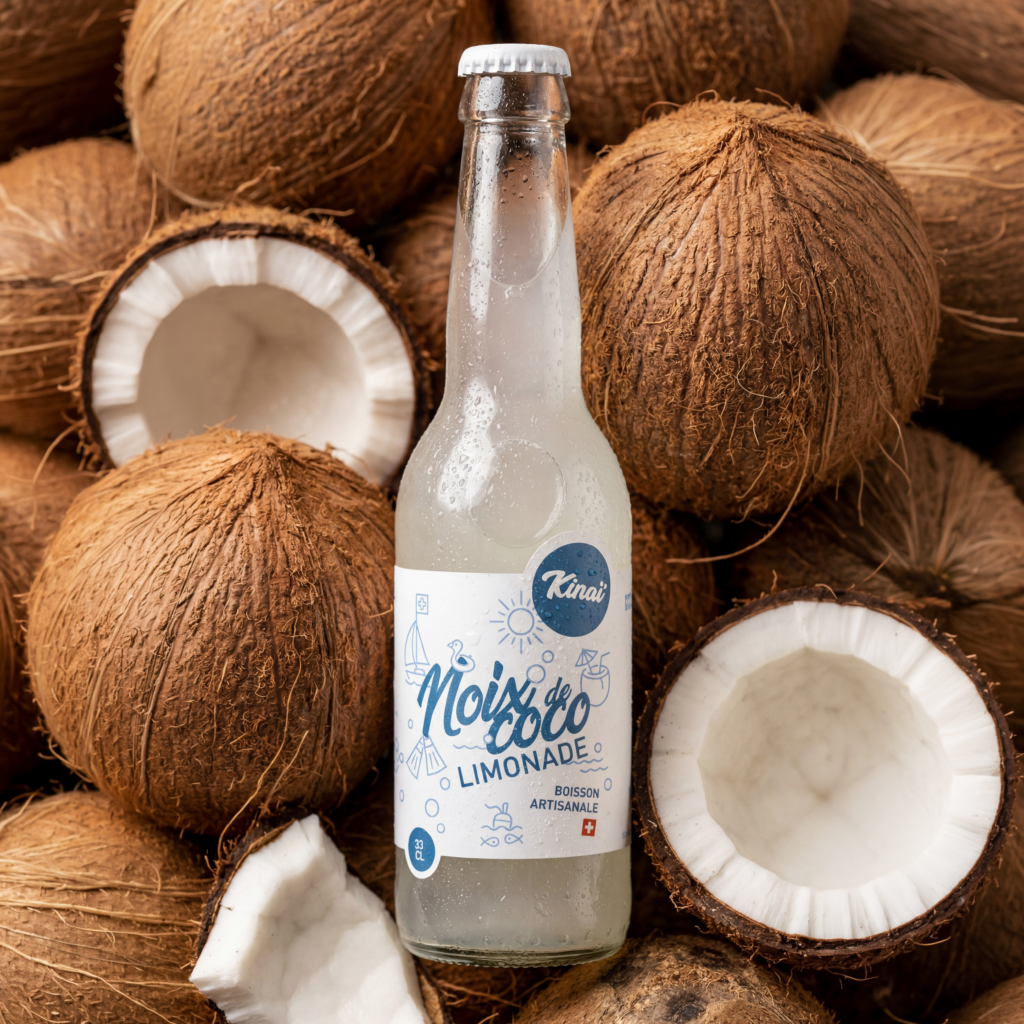
Soft drinks show a very different profile. Only about 10% consume them daily. Men and younger generations consume them more frequently, while women and those aged 55+ more often report never consuming them. This category is clearly influenced by health concerns and marked generational differences.
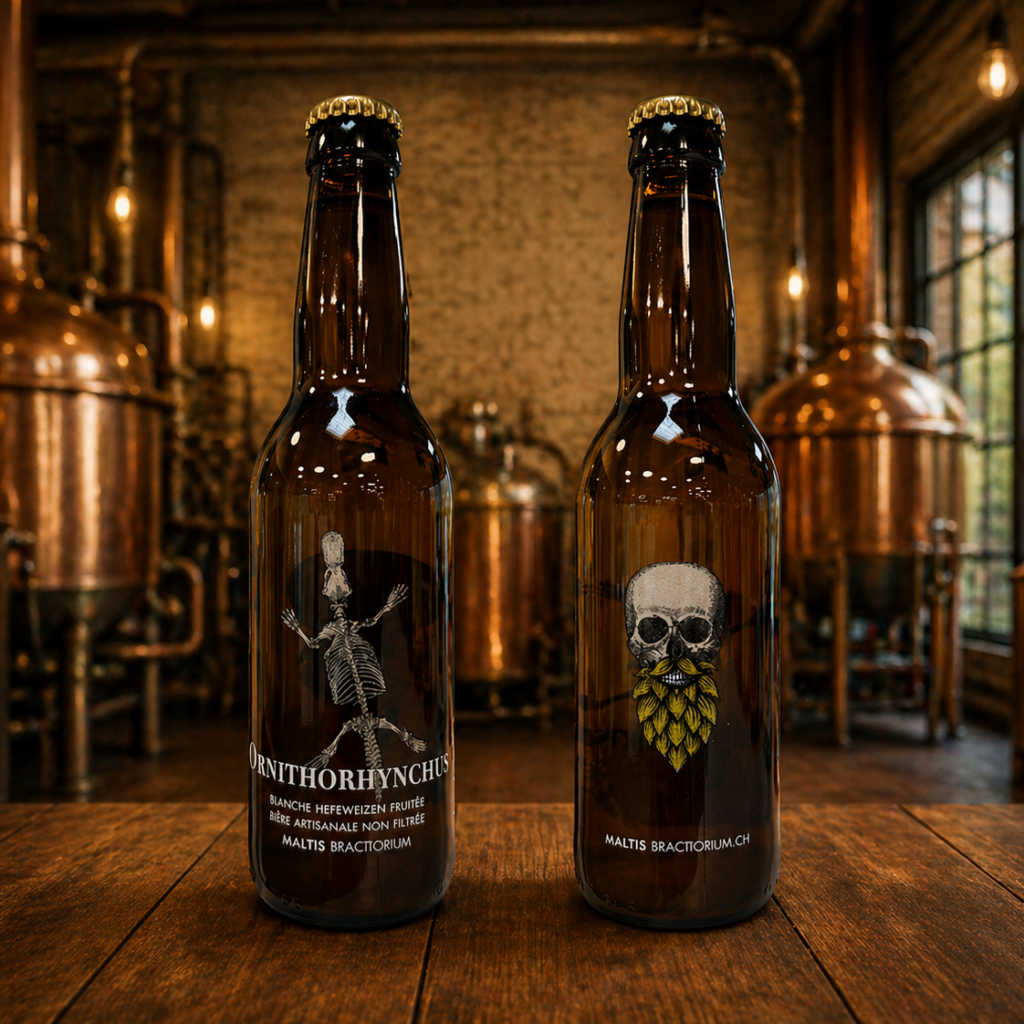
Beer occupies an intermediate position. Just over 70% of respondents consume it, with a strong gender gap. Unlike wine, beer is more closely associated with outings, events, and festive occasions. It is consumed at home but also widely in bars and at public events. This social dimension strongly influences perceptions of packaging formats.
Wine remains central to Swiss culture: nearly 90% of respondents consume it, and just over half do so regularly. It is mainly consumed at home or in restaurants. French-speaking Switzerland shows slightly higher consumption frequency. Wine therefore maintains strong cultural legitimacy, even as consumption becomes more selective.
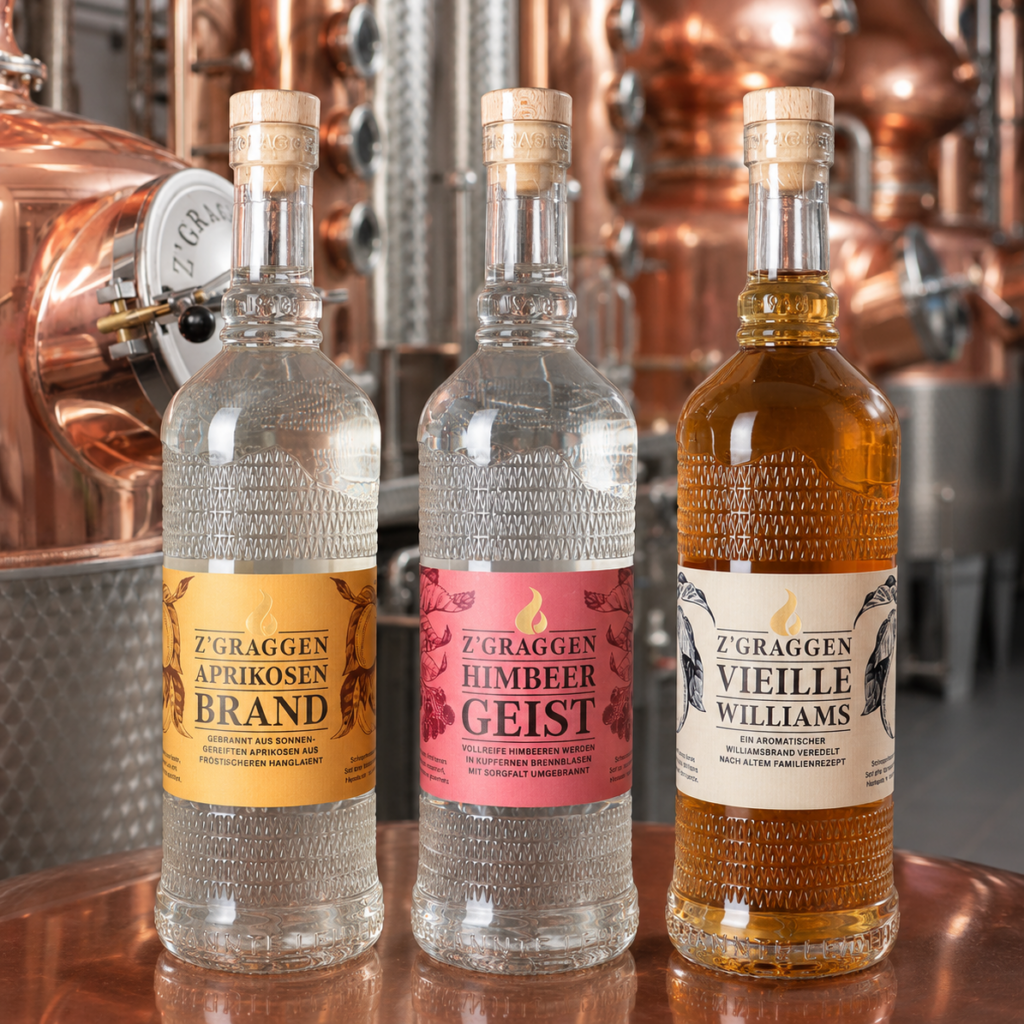
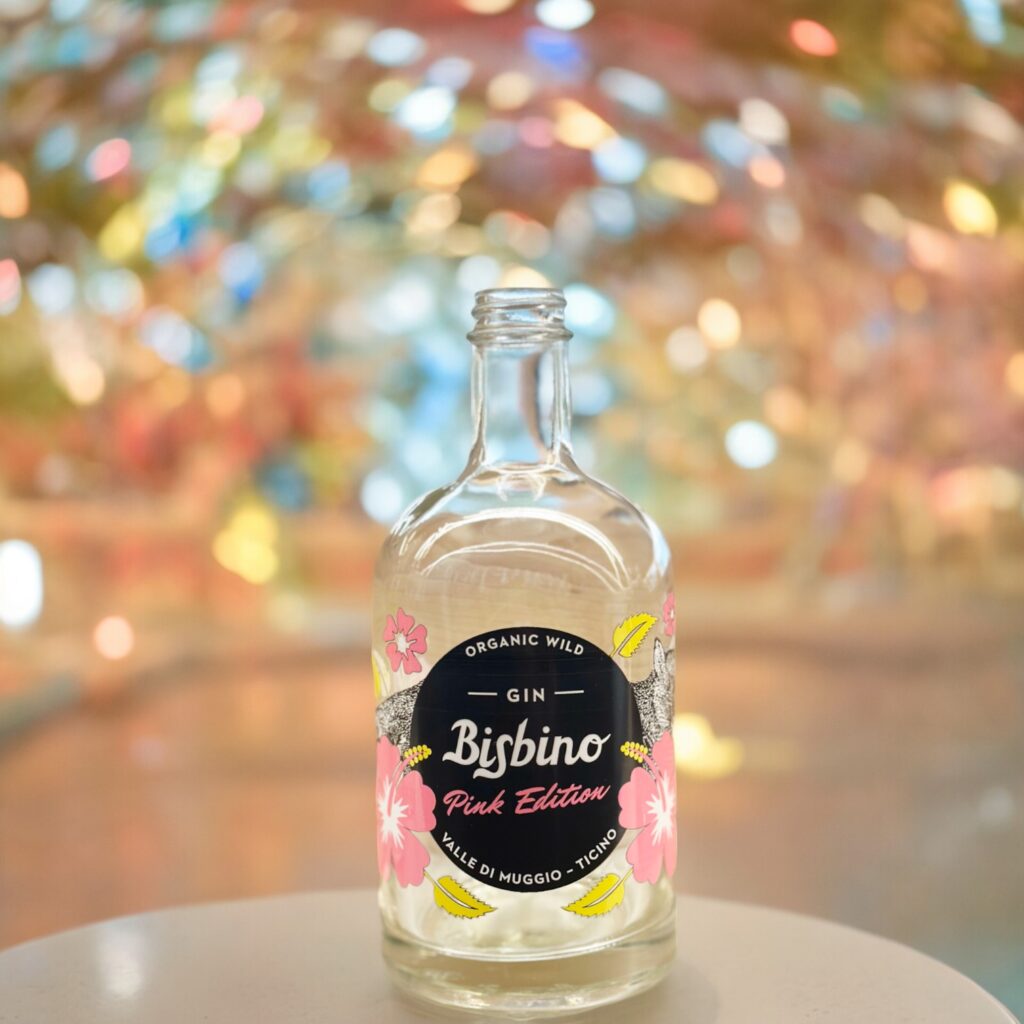
Spirits represent the smallest segment, with just over 20% regular consumers. They are consumed more frequently by men and younger individuals, primarily in private settings. It is a more occasional segment, often linked to specific moments rather than regular consumption.
Packaging: Seemingly Secondary, Strategically Critical
When consumers are asked about the importance of packaging type in their purchasing decisions, the results are nuanced. For just over 40% of respondents, packaging is at least “fairly important.” However, nearly 20% state that it has no importance at all.
At first glance, this could suggest that packaging plays a marginal role. Yet deeper analysis reveals that for those who consider it important, packaging strongly influences their perception of quality. In other words, packaging acts as an amplifier: it reinforces the product’s perceived value.
What Consumers Truly Expect from Packaging
Beyond product protection, expectations toward packaging are clear. Environmental aspects rank first by a wide margin (36%), followed by ease of handling, design, and shape.
Consumers want packaging that is recyclable, reusable, and informative. Attractive design also plays an important role, although its importance varies by age group. Only a small minority—around 8%—expect nothing beyond basic product protection.
Packaging must therefore be sustainable, practical, and aesthetically coherent.
Glass Remains the Ecological Benchmark
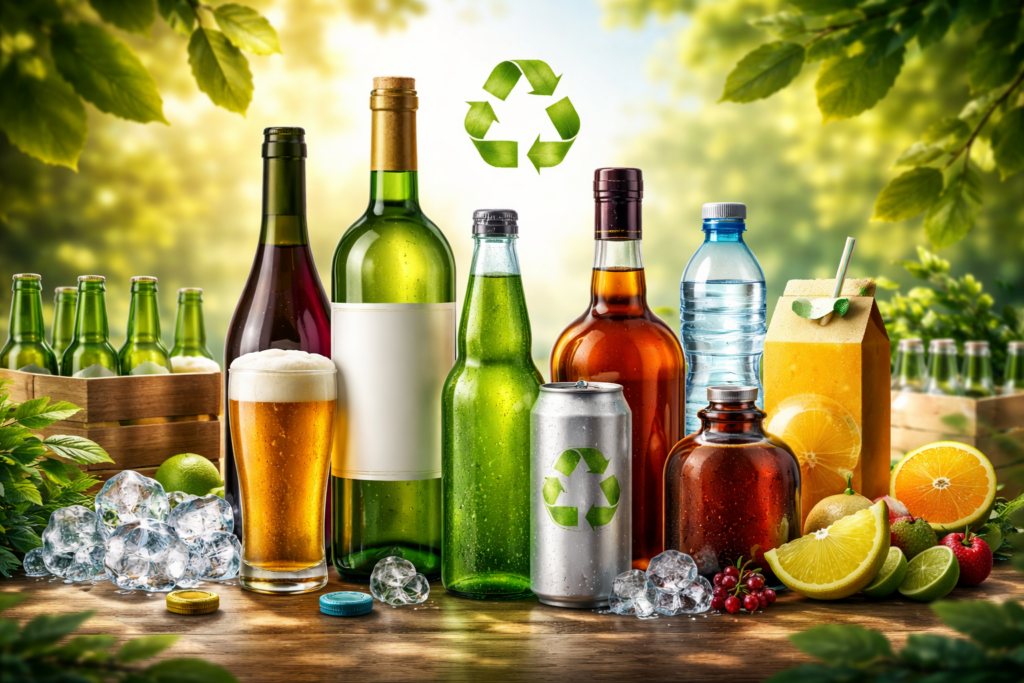
When it comes to environmental considerations, the verdict is clear: more than three-quarters of respondents consider returnable glass bottles to be the most environmentally friendly option. PET is cited by about half of respondents, while recycled cans and carton packaging (such as Tetra Pak) convince only a significant minority.
Glass therefore benefits from strong environmental capital. This perception is even more pronounced in French-speaking Switzerland and among respondents aged 55+. In contrast, younger generations and beer consumers are slightly more open to recycled cans.
Does Packaging Influence Perceived Quality?
Yes—significantly.
At least half of respondents believe that packaging influences their perception of quality. This effect is particularly strong for wine, where approximately 65% share this view. For beer, opinions are more divided (around 50%). Spirits fall in between.
The more a product is positioned as premium, the more packaging becomes a quality indicator.
Category-Specific Expectations
For wine, consumers primarily expect packaging that can be resealed and preserves the product well after opening. Recyclability and reusability are also considered important. Distinctive design plays a smaller overall role but is significantly more valued by 25–39-year-olds, who also attach greater importance to bottle weight.
For beer, ease of opening is central. Recyclability and reusability are also important, as is the use of recycled materials. Younger generations are more sensitive to design and weight, while those aged 55+ place greater value on reusability.
For spirits, the type of beverage remains the dominant criterion. Packaging type plays a slightly greater role than for beer or wine but remains secondary compared to the category itself.
The Price of Sustainability
A particularly strategic finding concerns willingness to pay for reusability.
For wine, among those who consider reuse important, a clear majority would be willing to pay a premium. The average accepted amount is around 55 cents, and nearly 30% would even accept an additional CHF 1.
For beer, willingness to pay is lower. The average is around 35 cents, and the proportion of consumers unwilling to pay any premium is higher.
Sustainability can therefore be monetized—but more easily in higher perceived-value segments.

Alternative Packaging: Between Rejection and Generational Openness
Alternative packaging formats gain little acceptance for wine. For all proposed formats, total rejection exceeds acceptance. Glass remains clearly dominant.
For beer, the situation differs. Cans are widely accepted, and biodegradable plastic or PET bottles benefit from partial openness.
Consumers aged 25–39 are consistently the most open to innovation, while those aged 55+ express the strongest resistance. This points to a medium- and long-term risk: generational change could gradually alter the balance of packaging formats.
Conclusion: A More Selective, More Demanding Market
The study shows that packaging is not always the primary purchase criterion, but it influences perceived quality, environmental credibility, and overall product value.
Glass currently maintains a strong position, particularly for wine and spirits. Beer appears to be the segment most open to innovation. Sustainability represents a genuine economic opportunity, especially for wine.
The future of packaging in Switzerland will not depend solely on technology or materials. It will depend on the ability to reconcile three dimensions: environmental performance, consistency with quality positioning, and adaptation to generational expectations.
The market is not disappearing. It is becoming more selective. And in this context, packaging is no longer merely a container—it becomes a strategic lever.
Univerre Solutions: Turning Packaging into a Value Lever
The study clearly demonstrates that packaging is no longer just a container. It shapes perceived quality, embodies sustainability, and becomes a touchpoint with the consumer.
In this context, the question is no longer simply “Which material should we use?” but rather “How can packaging be intelligently activated to create value?”
This is precisely where Univerre’s solutions become relevant.
1. Activating Sustainability: Bottle Washing and Reuse
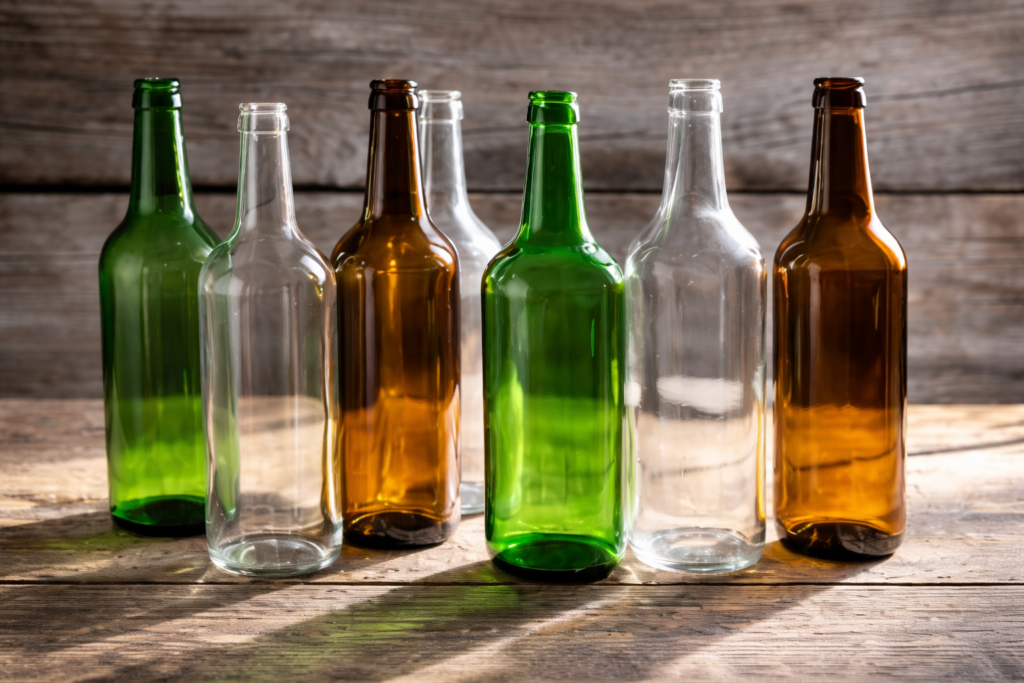
Glass benefits from extremely strong environmental capital in Switzerland. More than three-quarters of respondents consider returnable glass bottles to be the most ecological packaging option.
But the study goes further: for wine, a majority of consumers would be willing to pay a premium if bottles were washed and reused. The average accepted amount is around 55 cents, and nearly 30% would accept an additional CHF 1.
This means one essential thing: sustainability can become an economic lever—provided it is visible, credible, and actively implemented.
Univerre does not simply offer glass. The company provides:
- systems compatible with reuse,
- bottles adapted for industrial washing,
- a structured circular economy approach.
Washing and reuse are no longer merely environmental arguments. They become differentiation tools—particularly strategic for wine, where packaging strongly influences perceived quality (≈65%).
Activating glass means transforming a structural advantage into a competitive advantage.
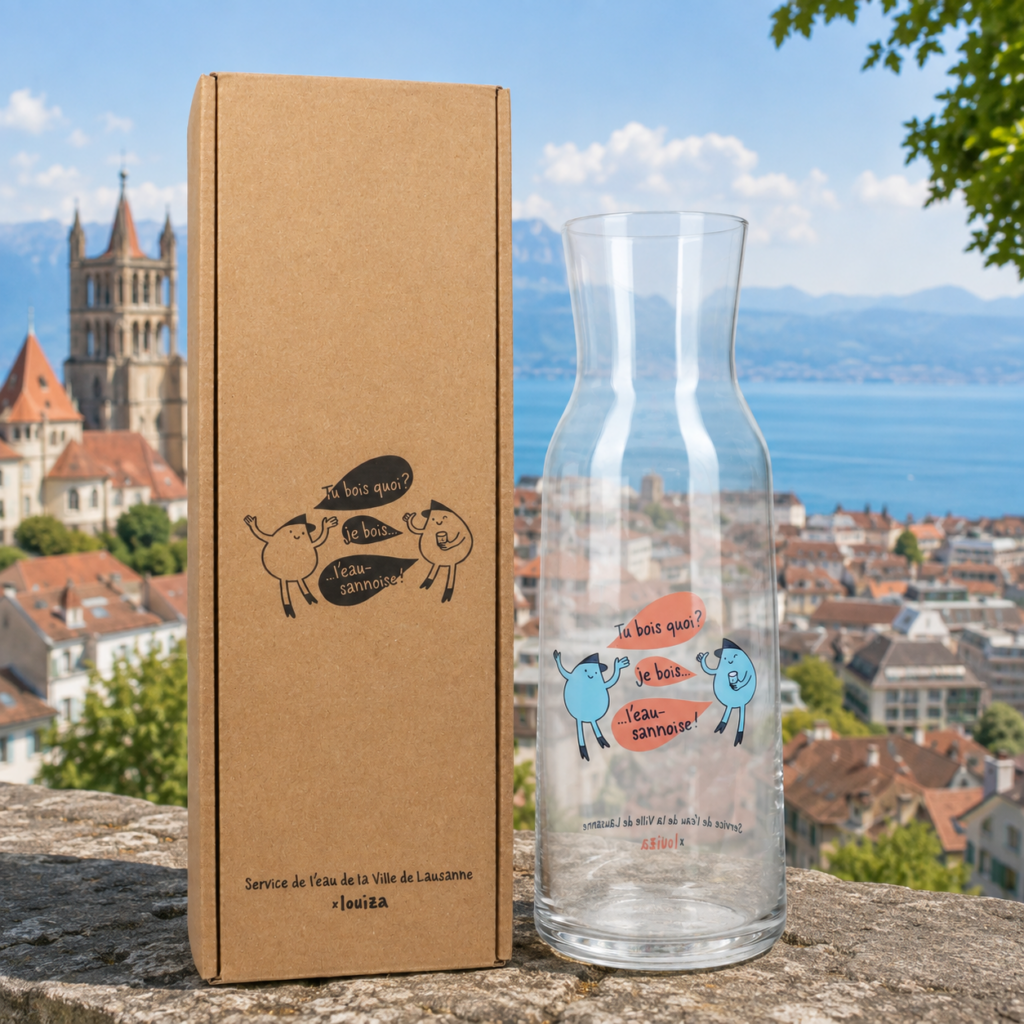
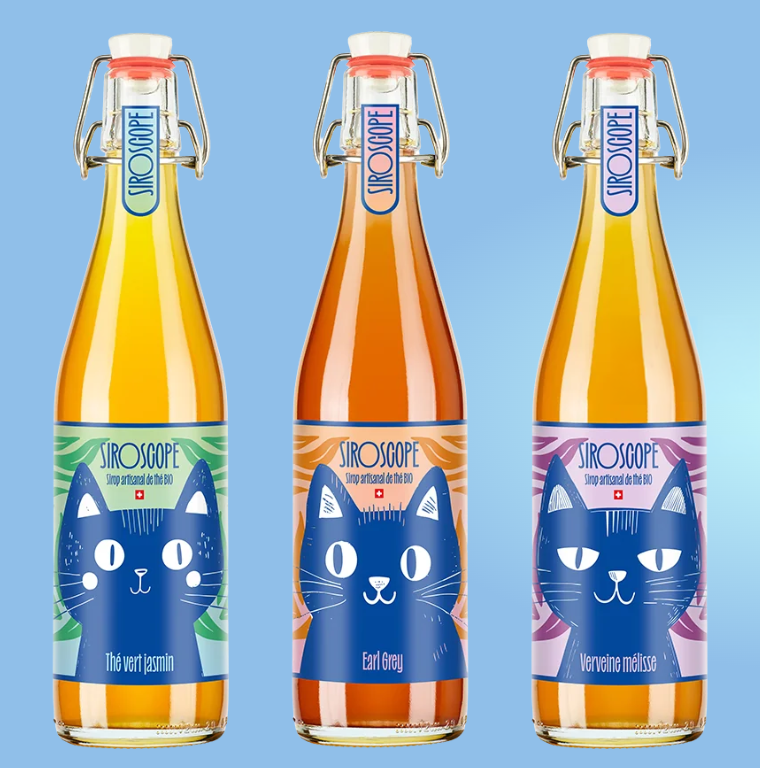
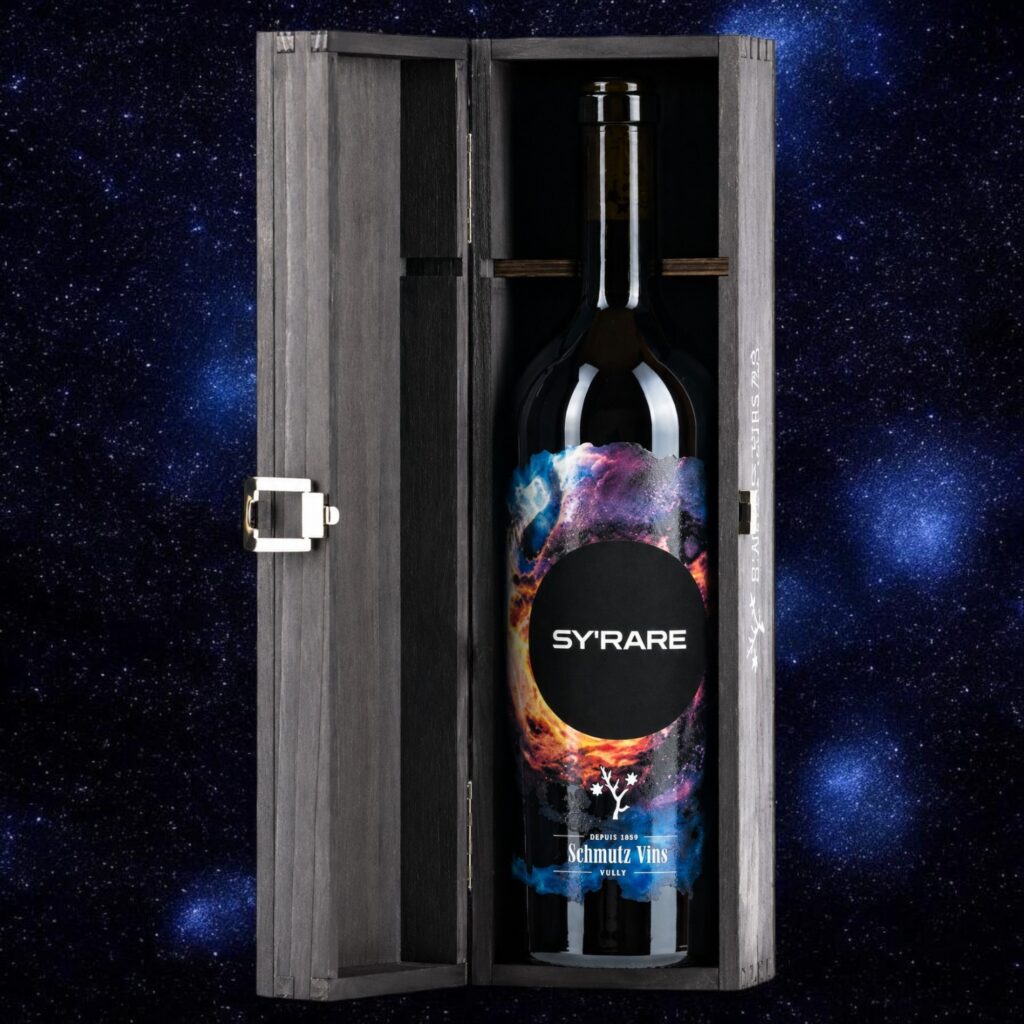
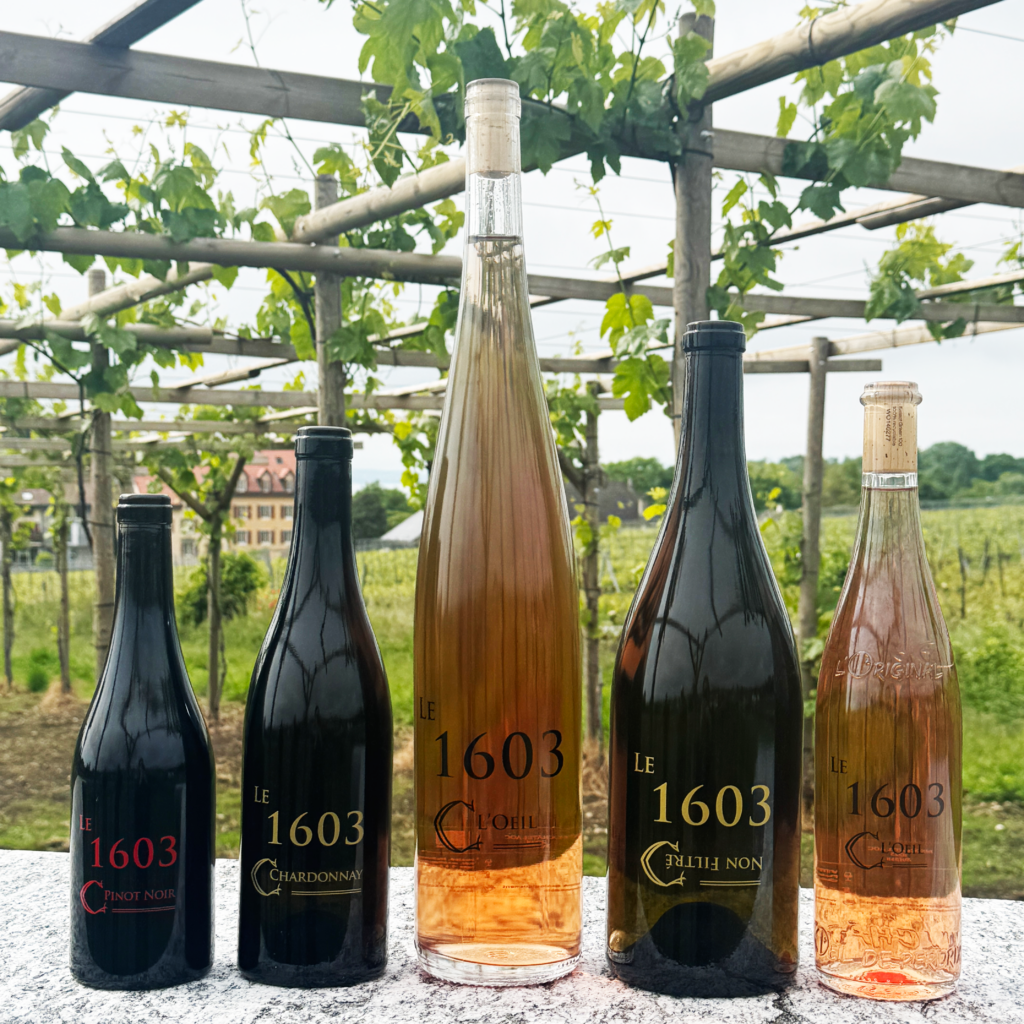
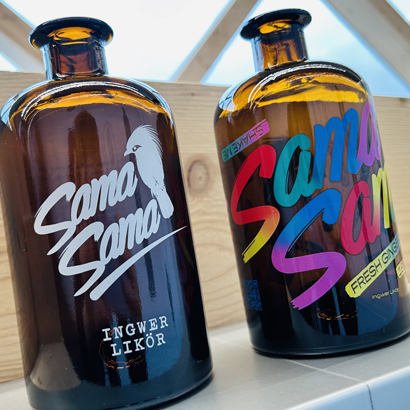
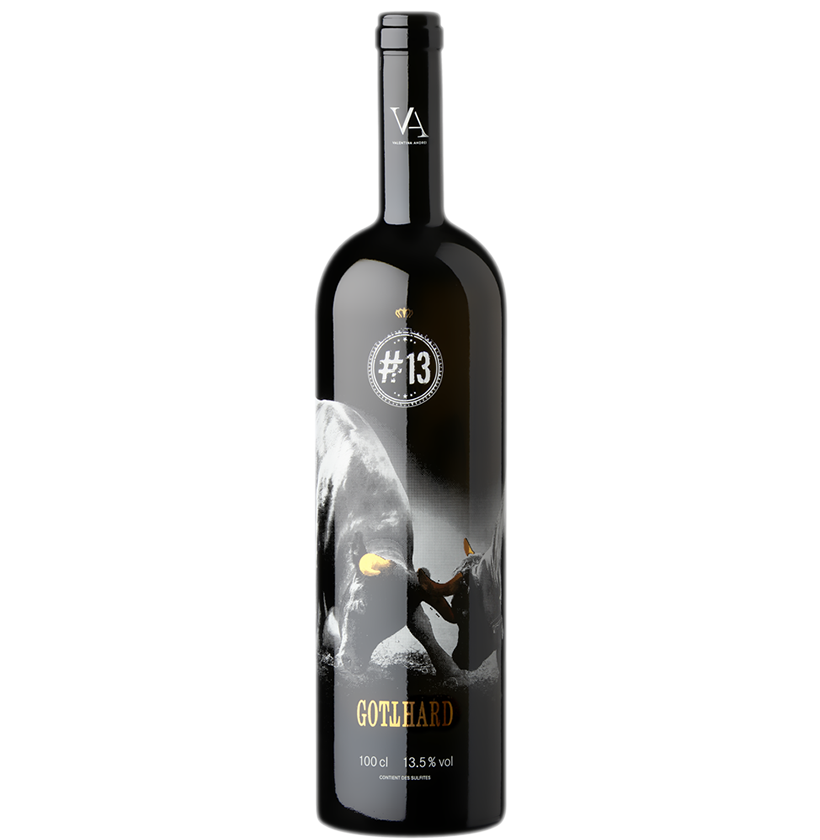
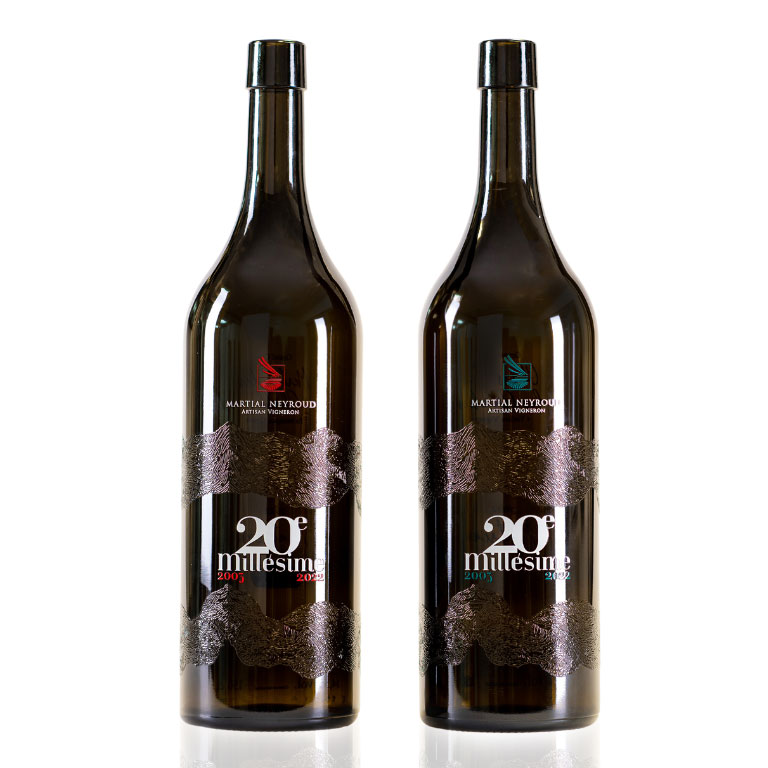
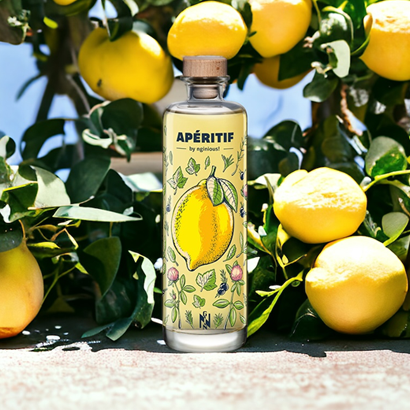
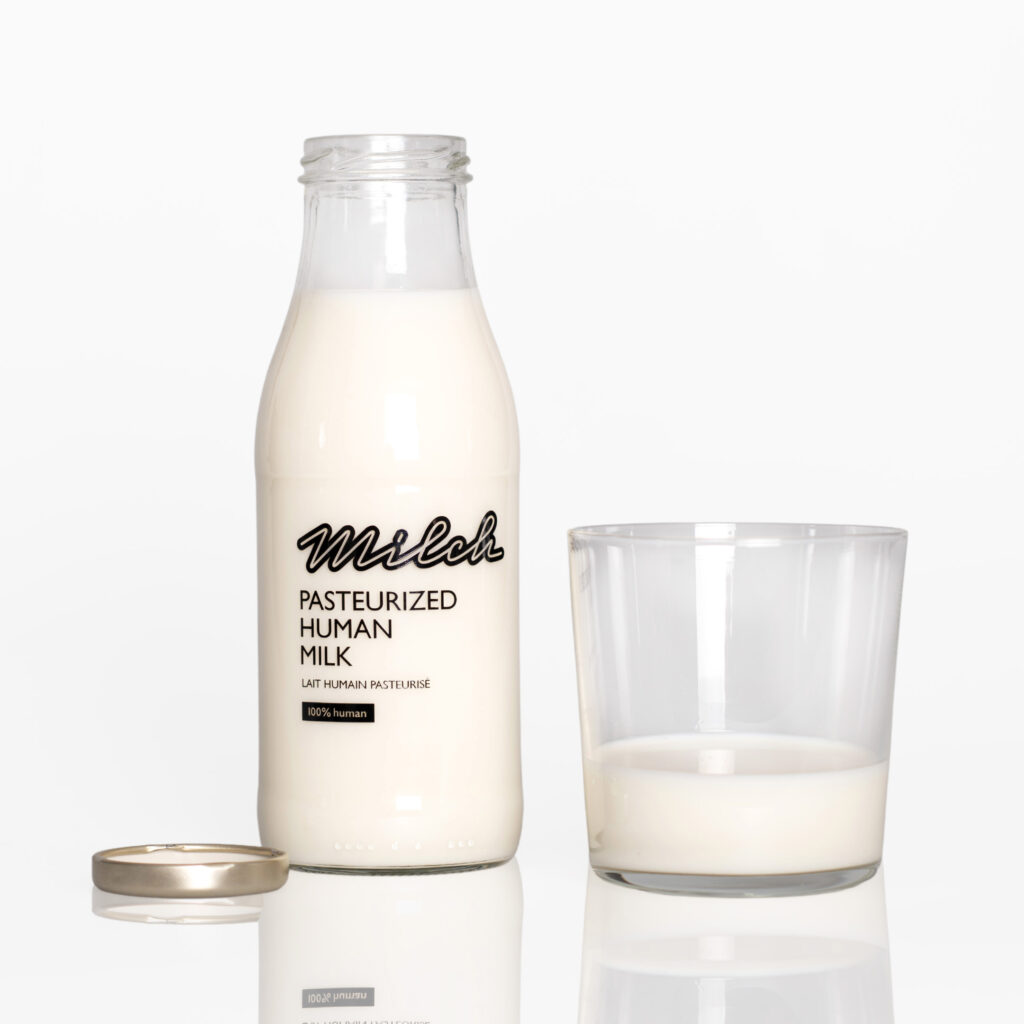
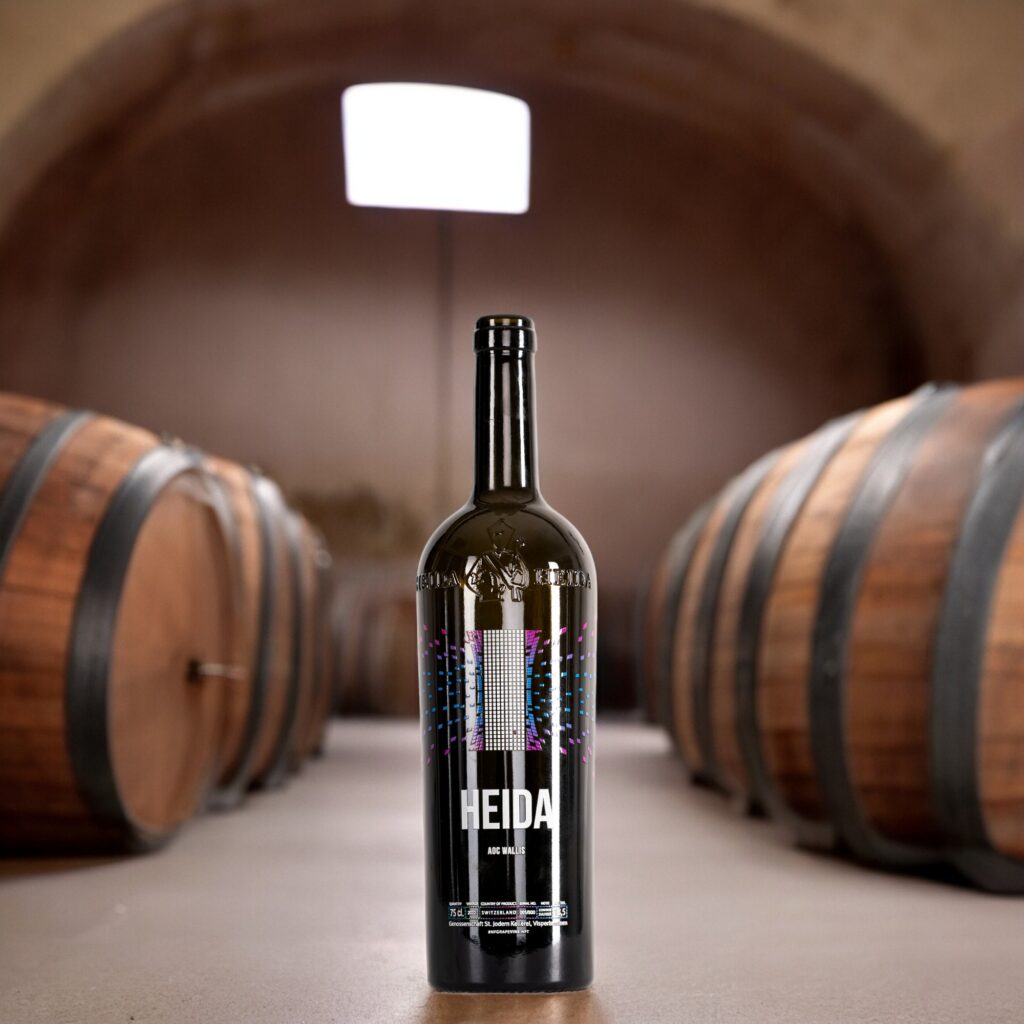
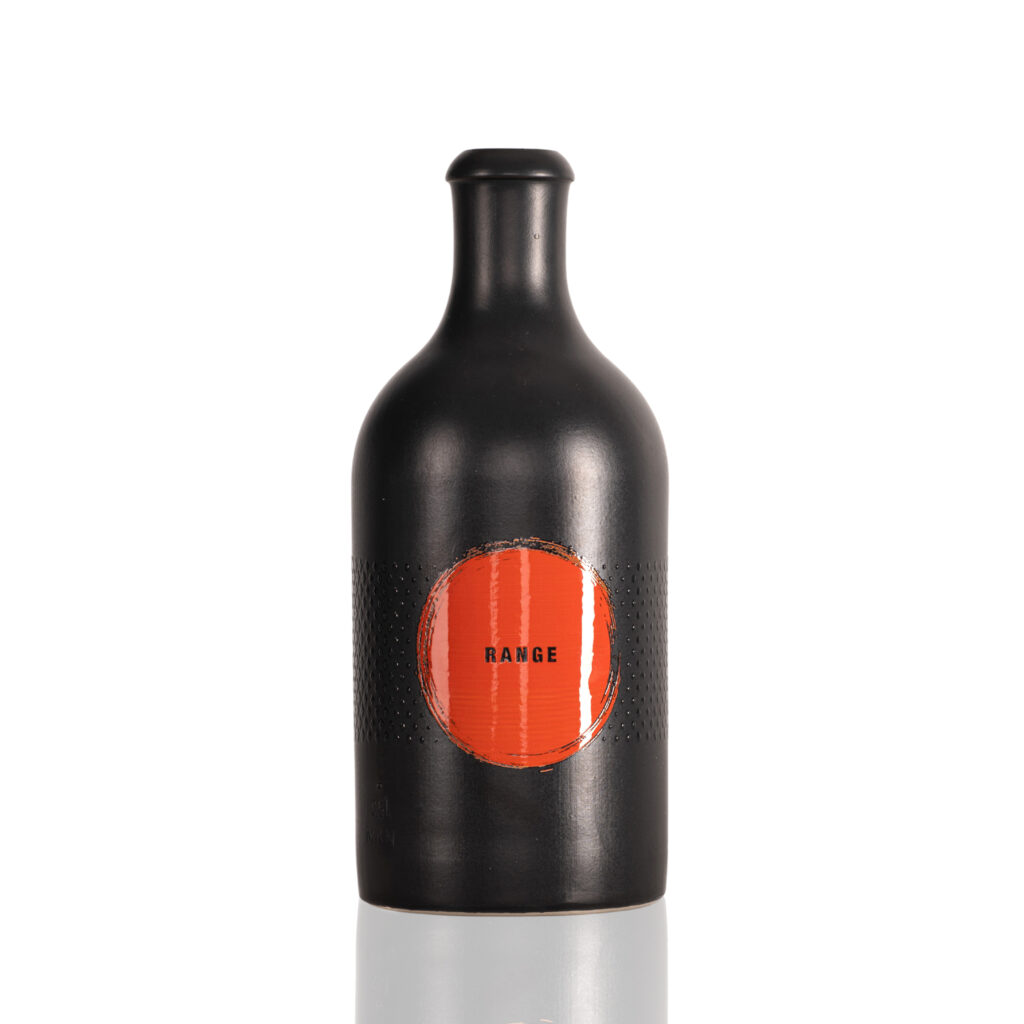
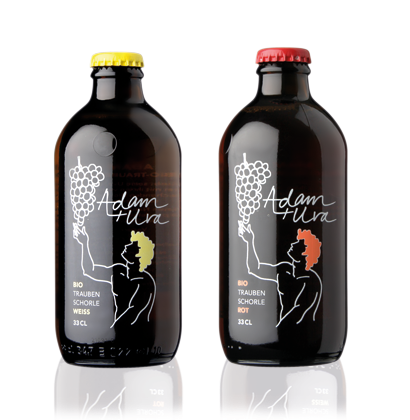
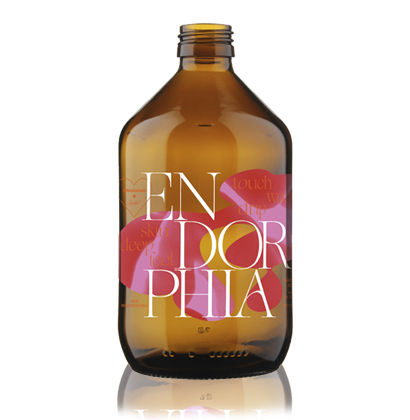
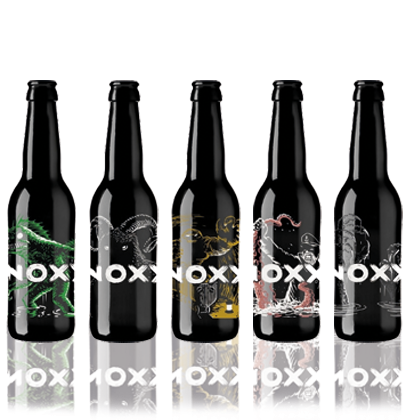
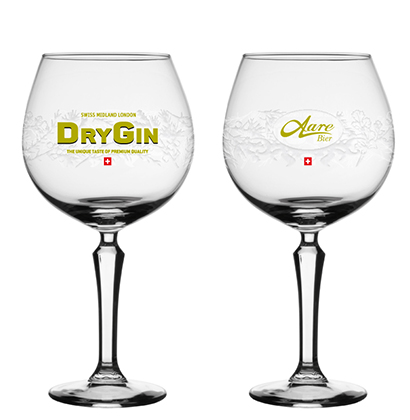
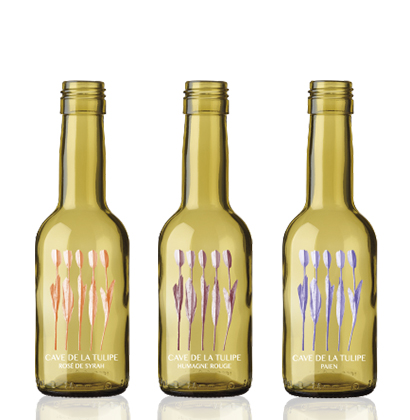
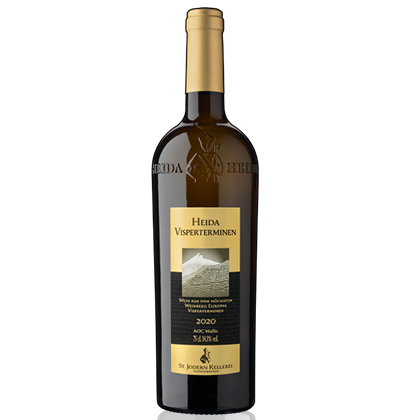
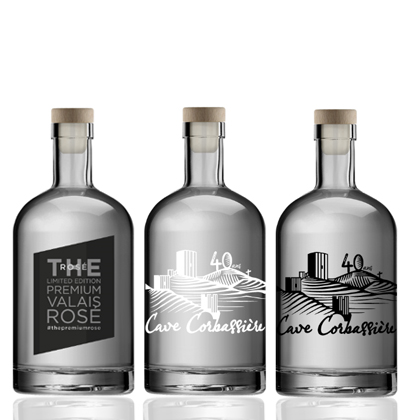
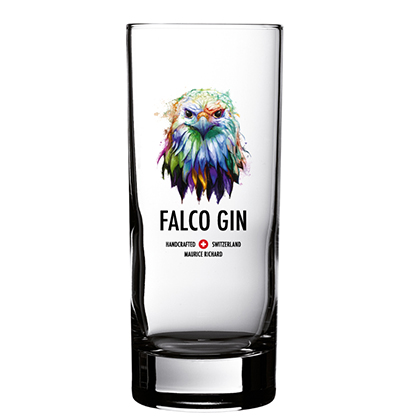
2. Standing Out Visually: Direct Printing on Glass
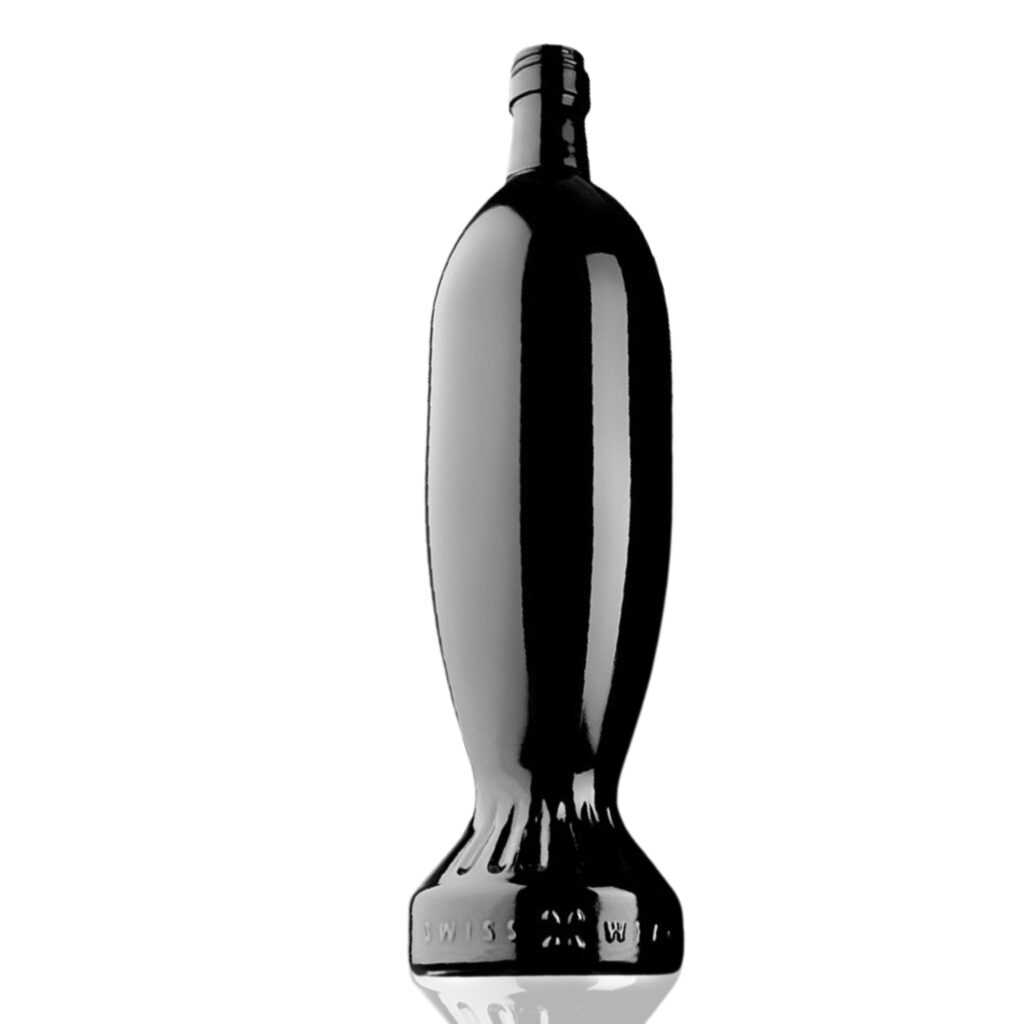
The study shows that design is not the primary purchase criterion—but it is gaining importance among younger generations.
Consumers aged 25–39 place greater importance on:
- shape,
- color,
- distinctive design,
- overall visual coherence.
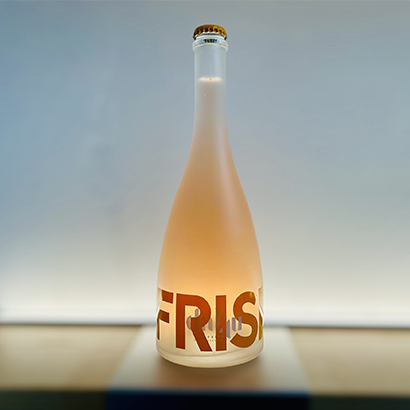
In a more selective market where consumers compare more carefully, visual identity becomes a signal of modernity and credibility.
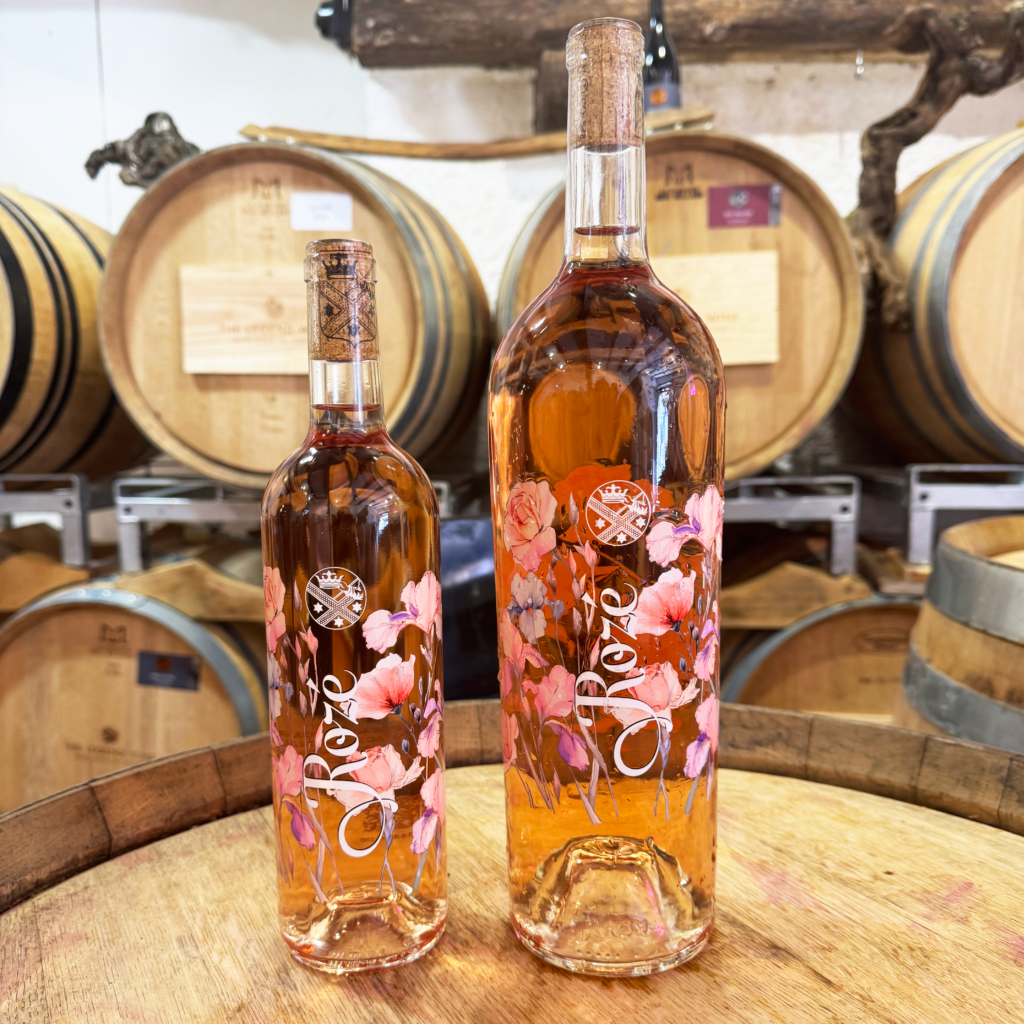
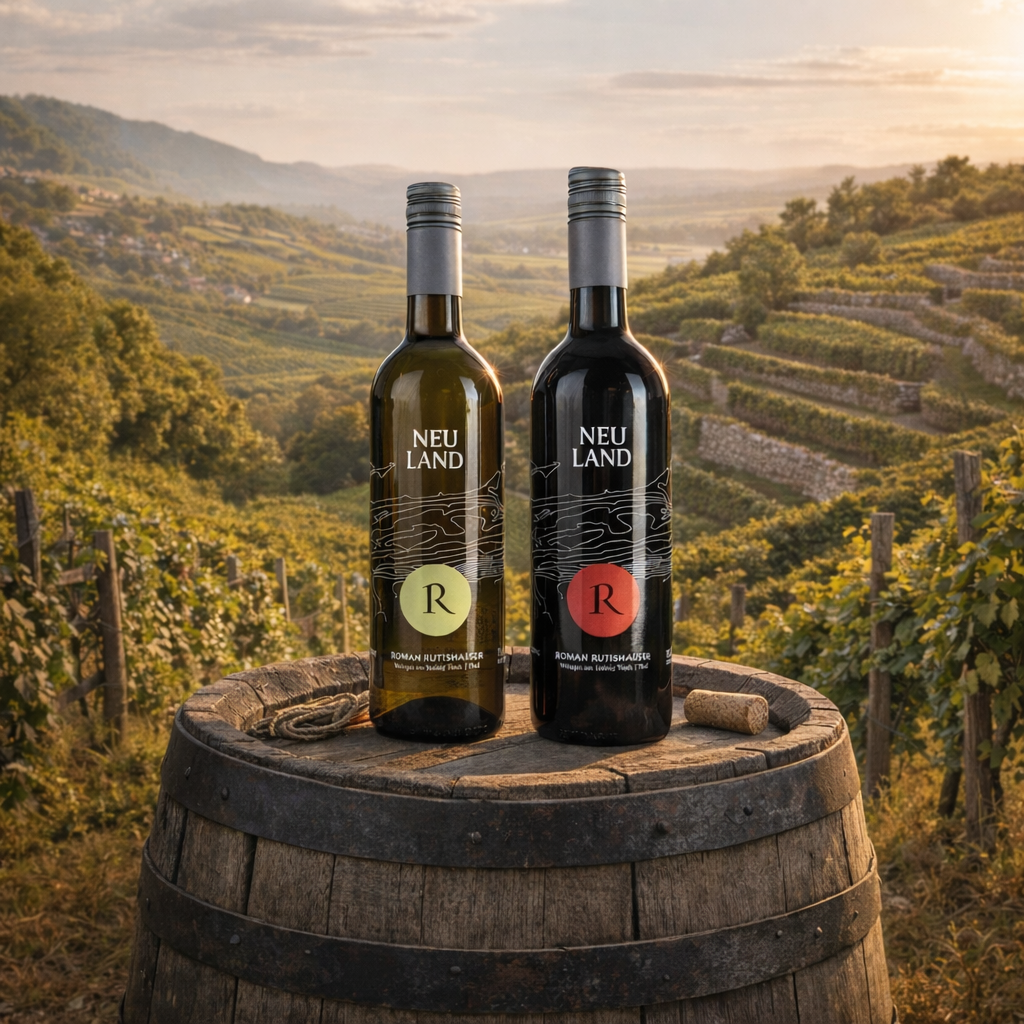
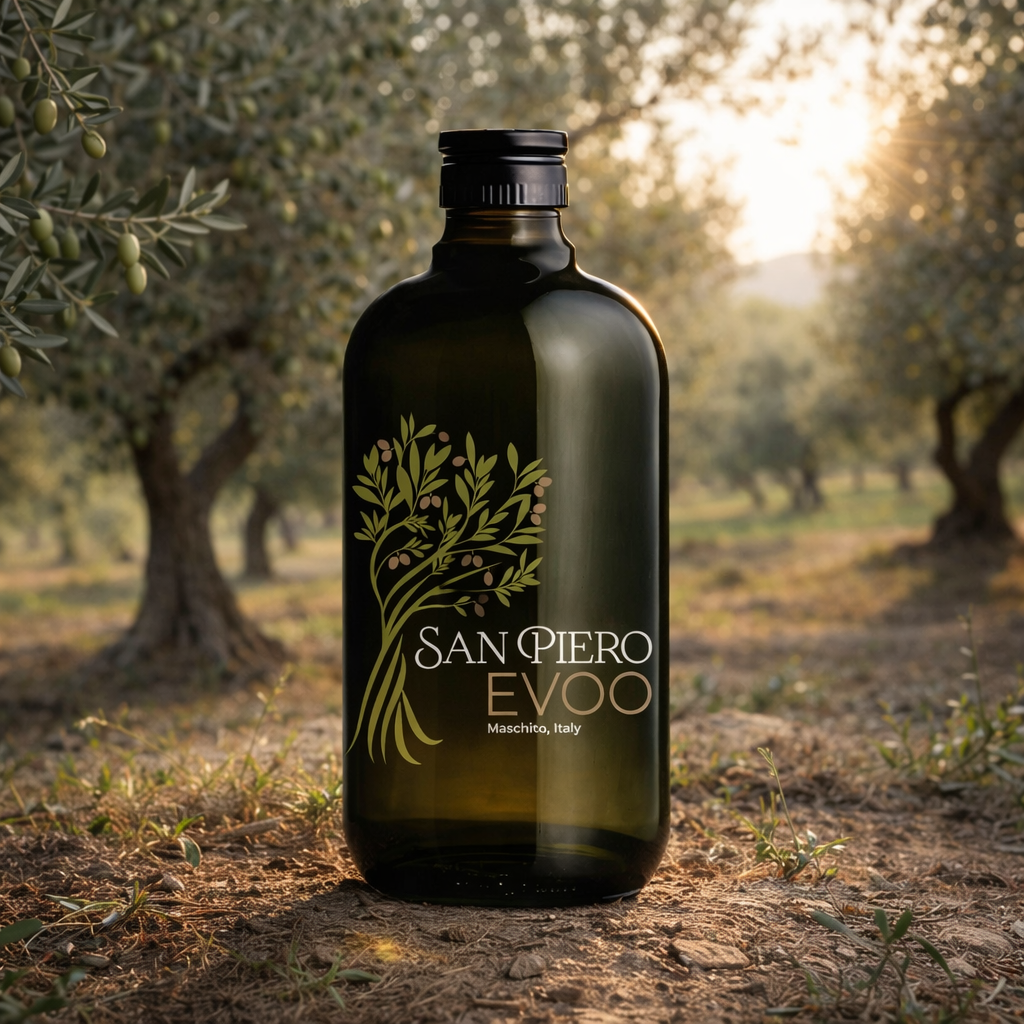
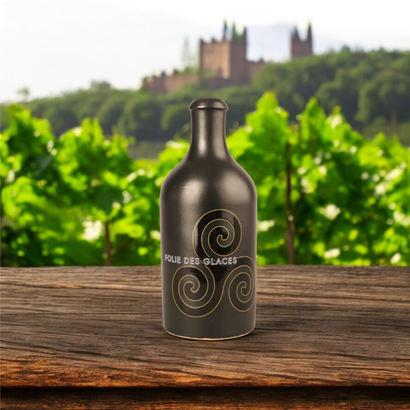
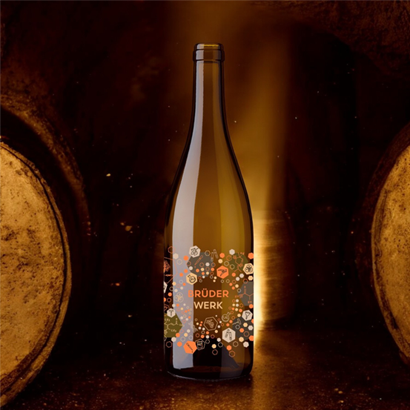
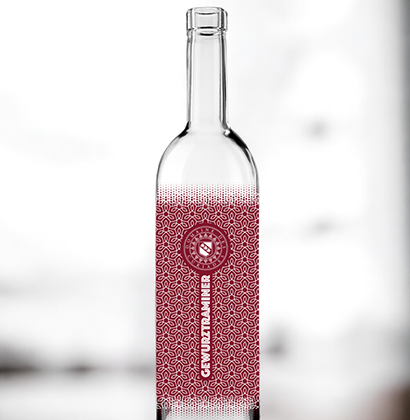
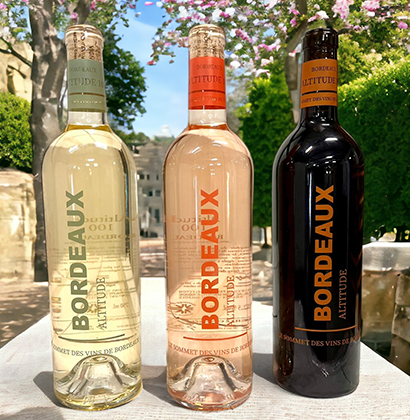
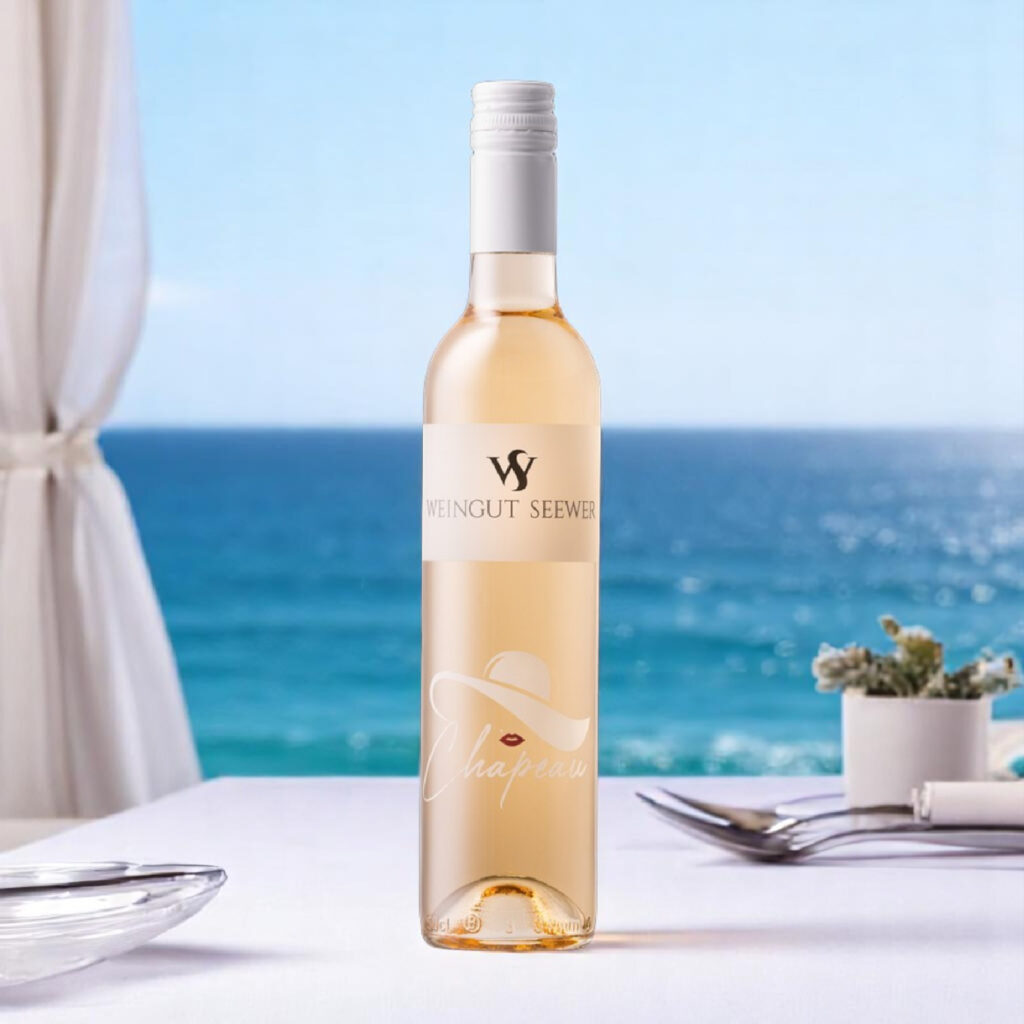
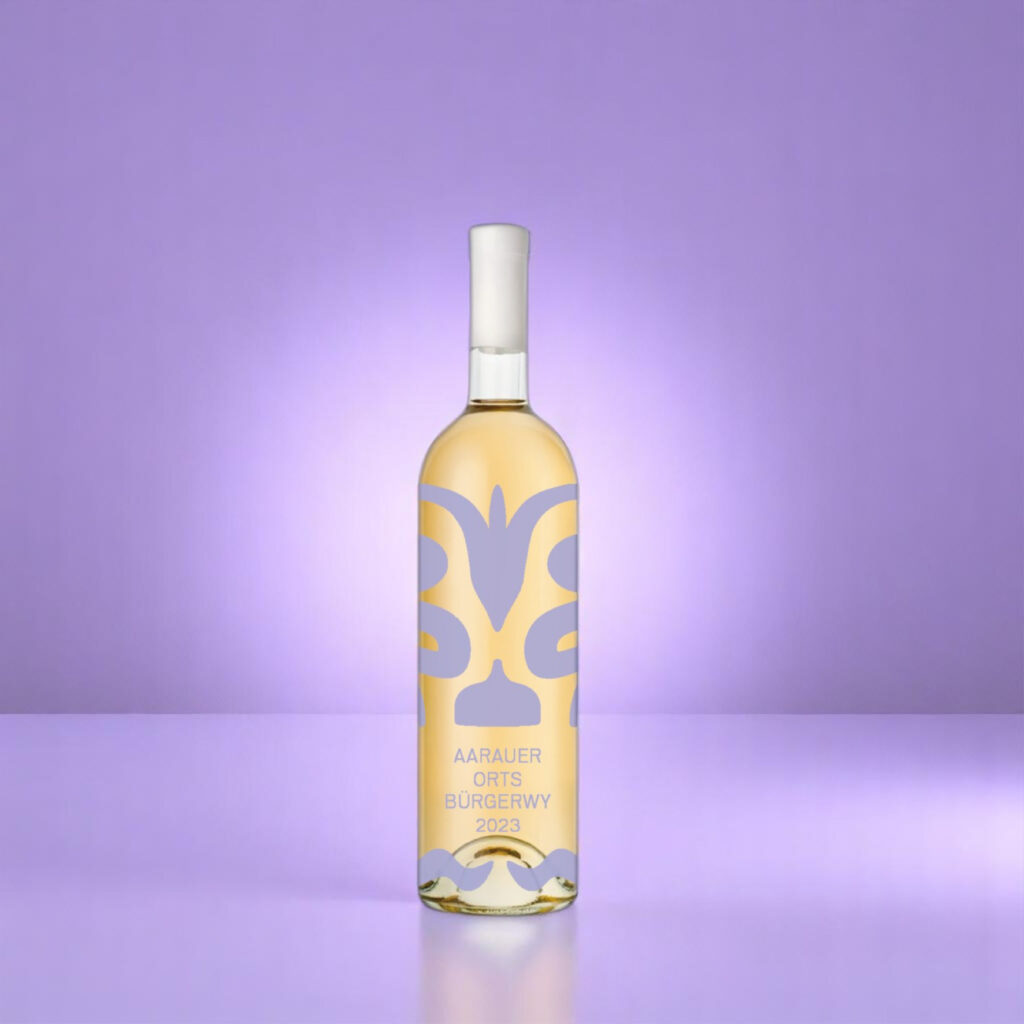
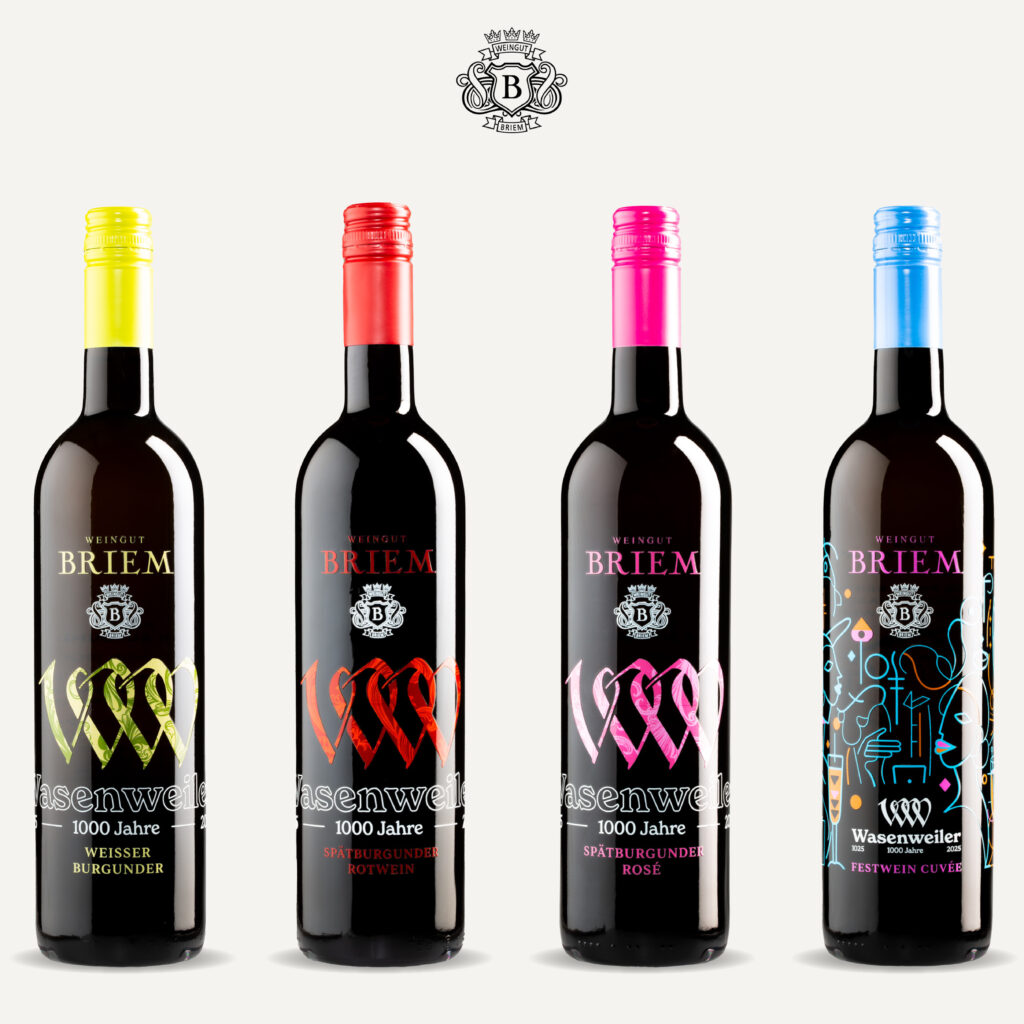
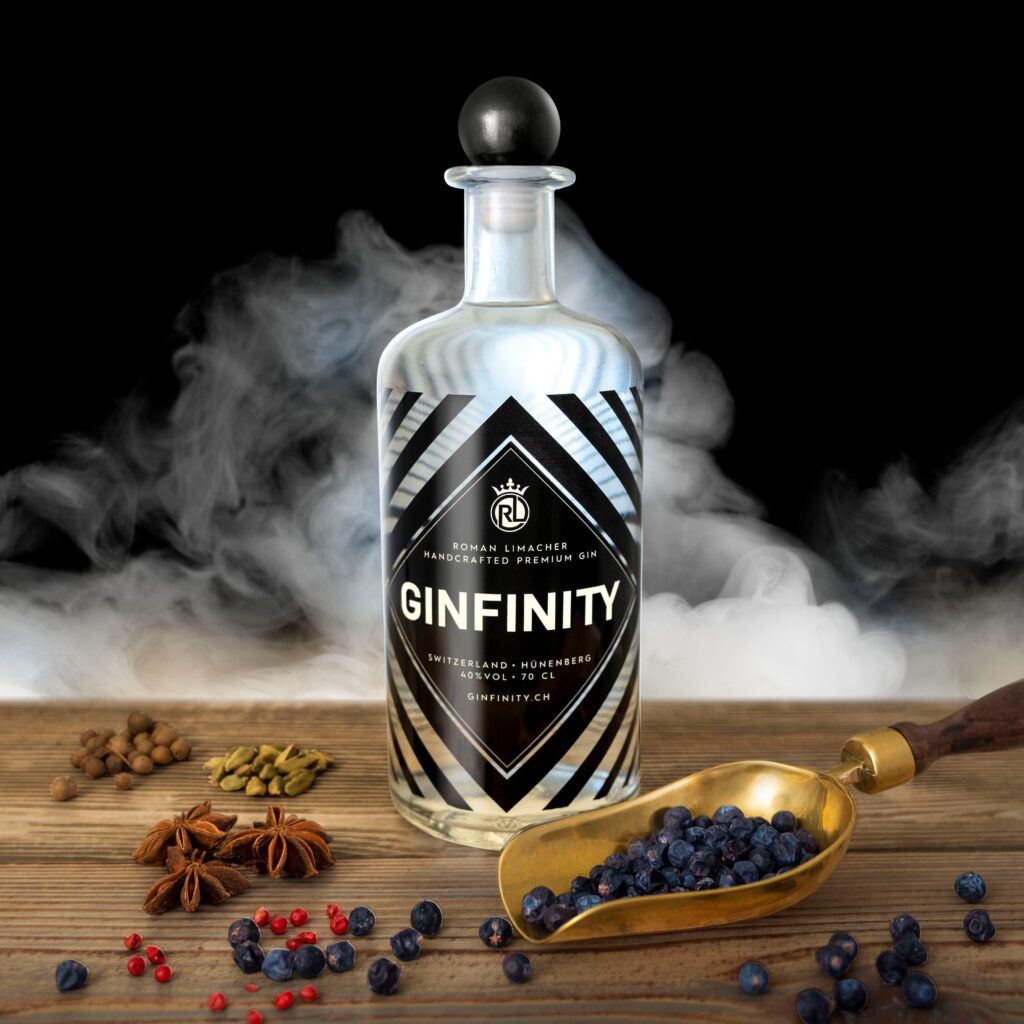
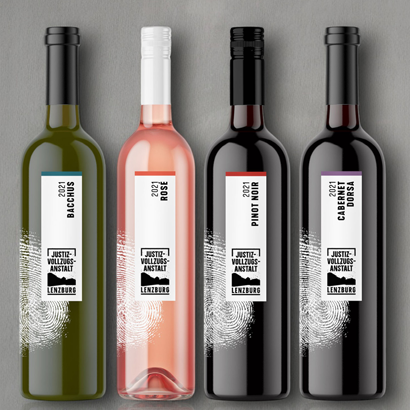
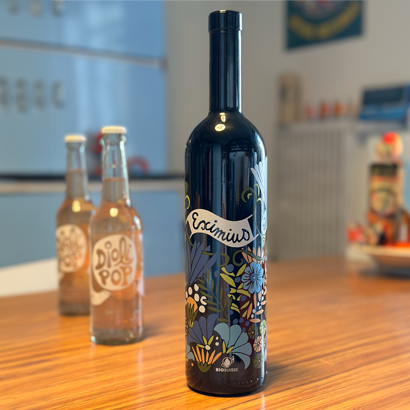
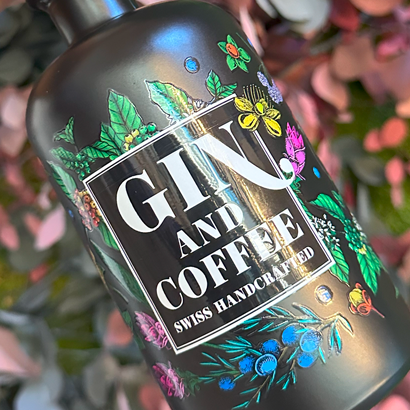
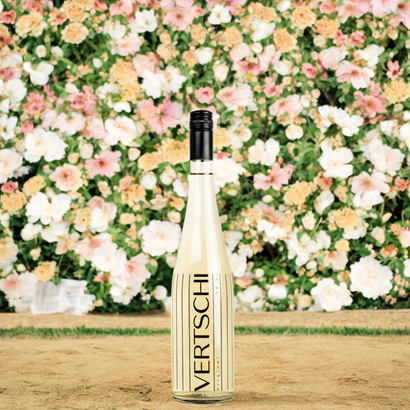
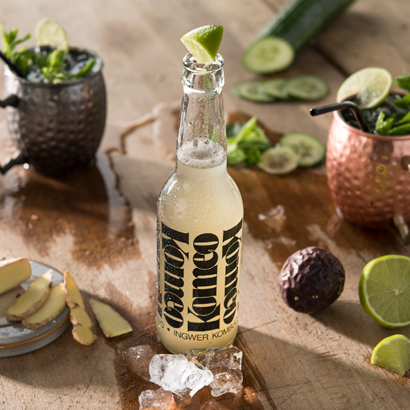
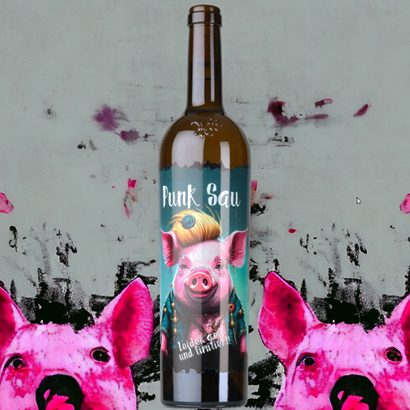
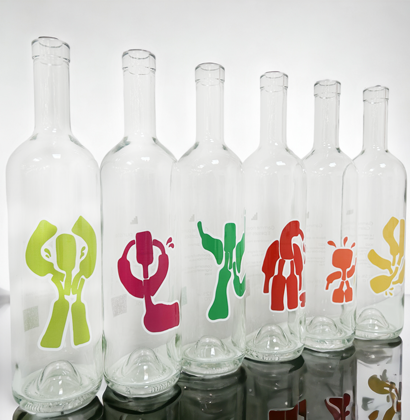
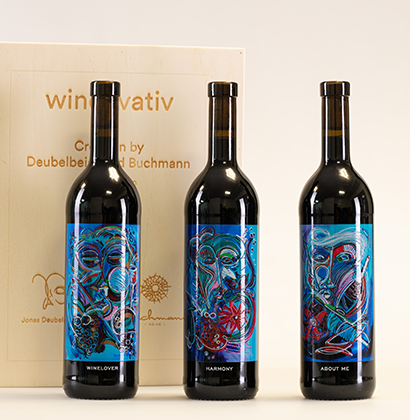
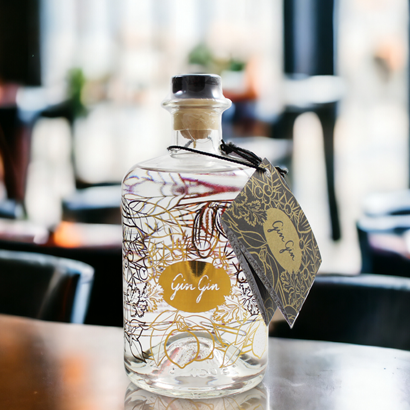
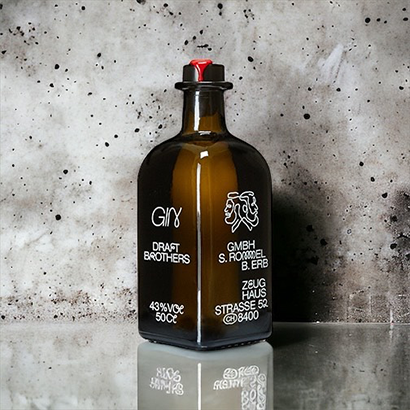
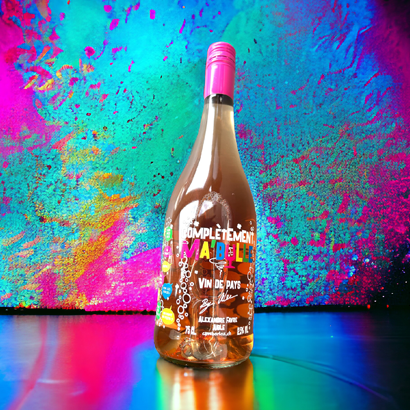
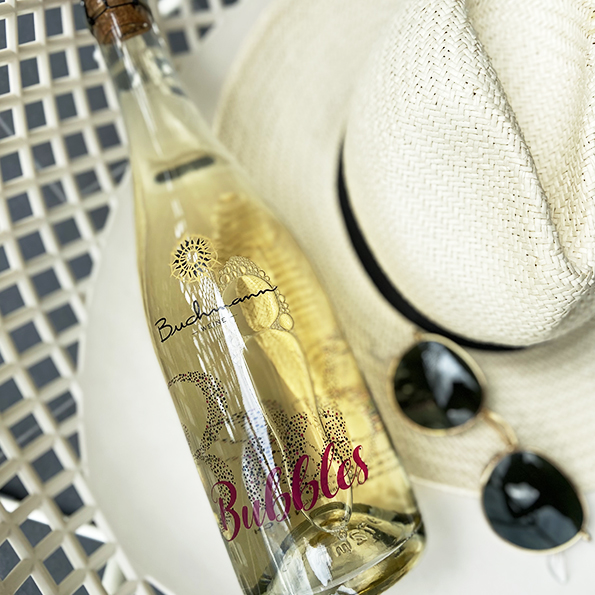
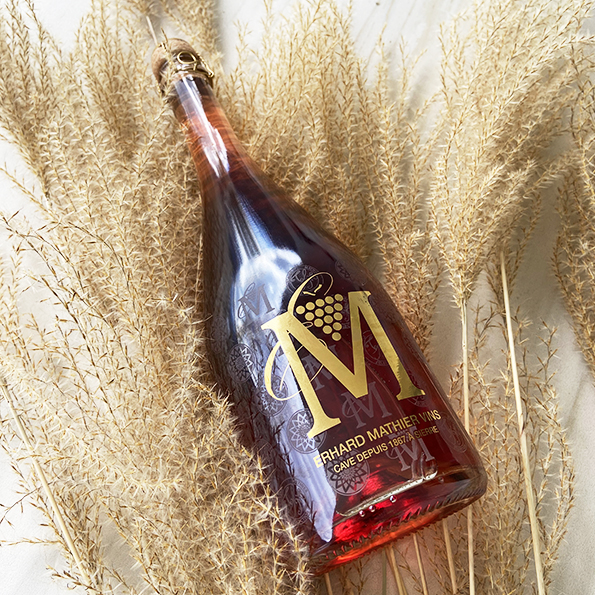
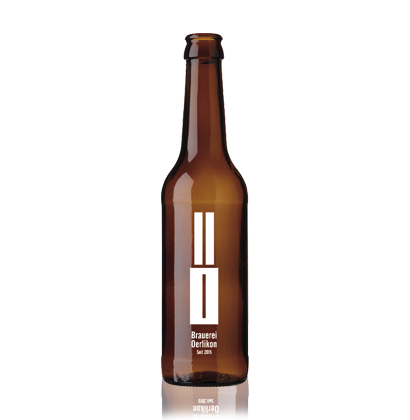
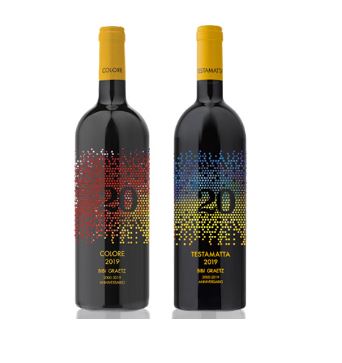
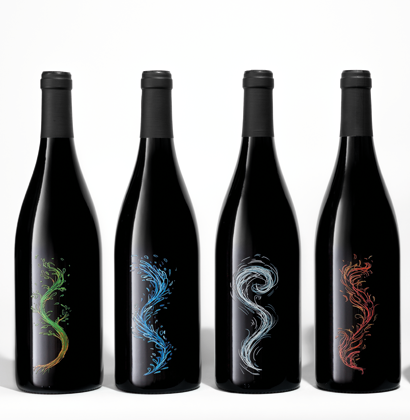
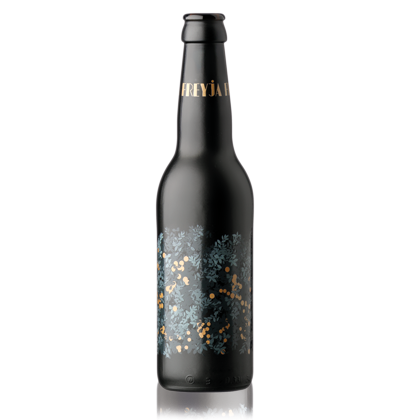
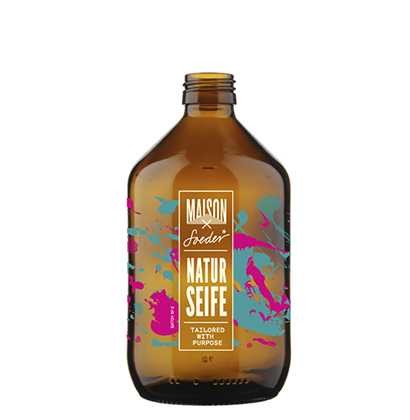
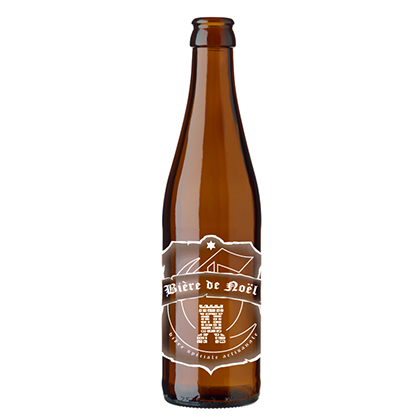
Direct printing on glass enables precisely this:
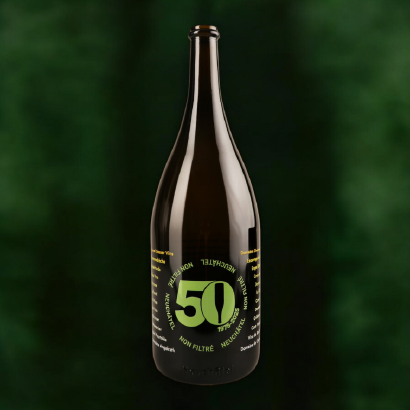
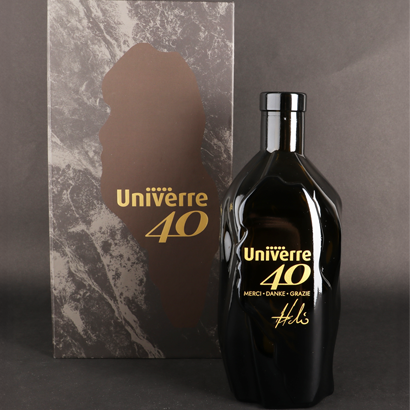
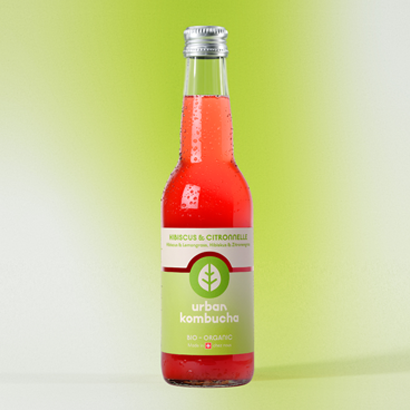
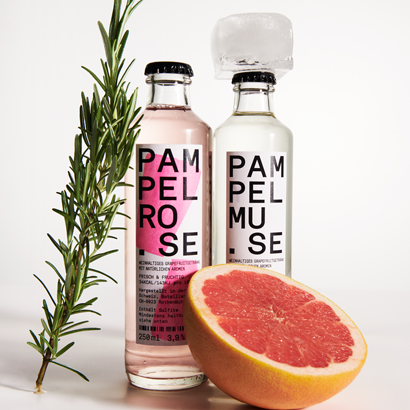
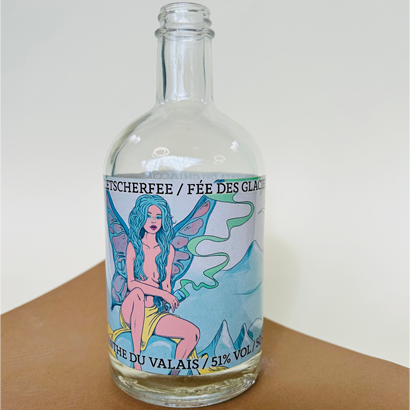
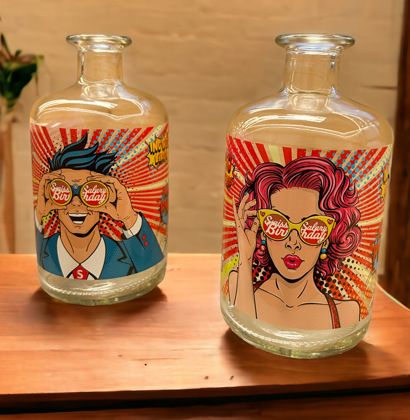
- removing or complementing traditional labels,
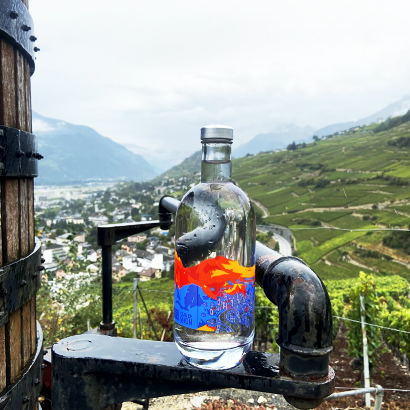
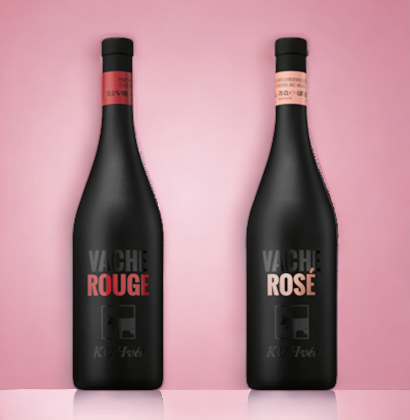
- creating immediate premium impact,
- strengthening consistency between product and image,
- differentiating at the point of sale without changing bottle format.
For wine and spirits, where perceived quality is closely tied to packaging, this visual differentiation becomes strategic.
It is not about design for design’s sake, but about supporting perceived value without breaking established quality codes—especially among the 55+ segment.
3. Innovating Without Disrupting: The NFC Tag
The study also highlights a clear generational divide. Younger consumers are more open to innovation and new forms of interaction, while older generations reject innovation when it threatens their quality benchmarks.
The challenge is therefore not to innovate at all costs.
The challenge is to innovate coherently.
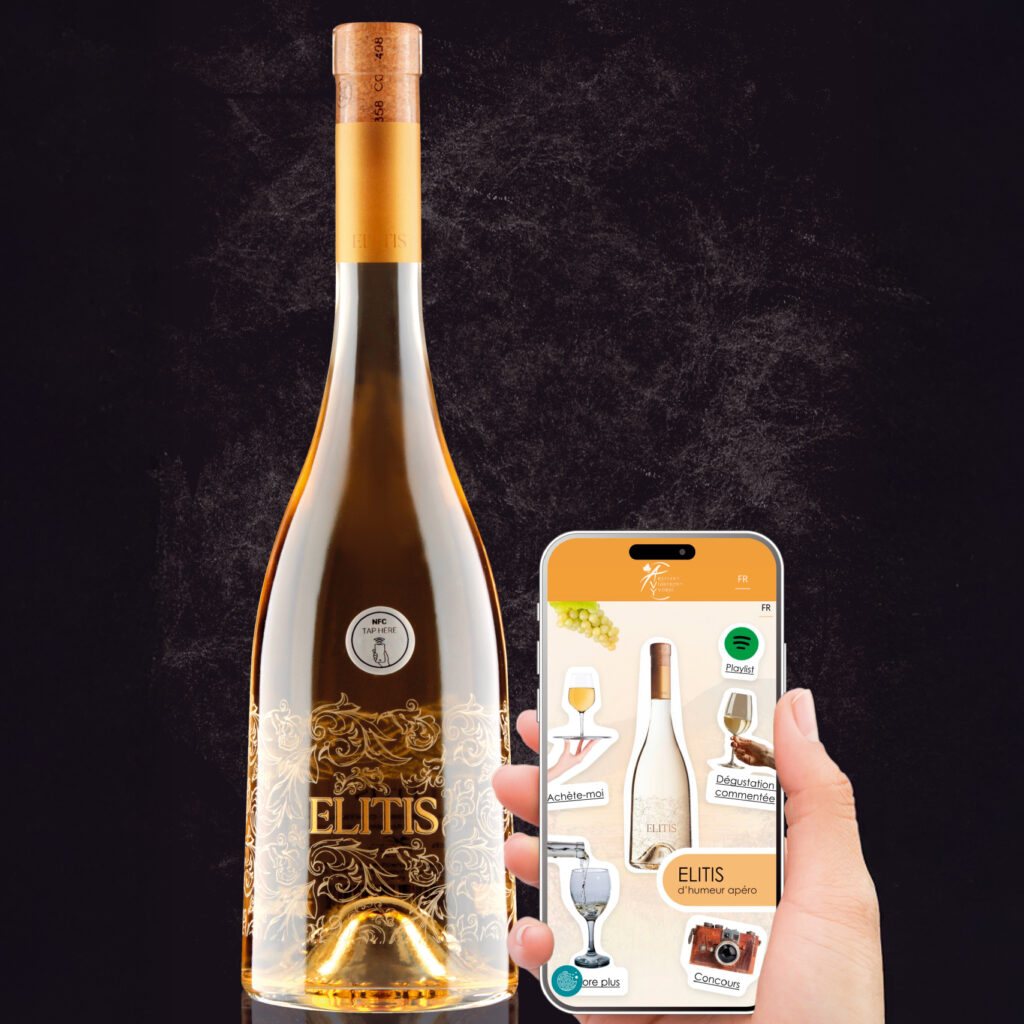
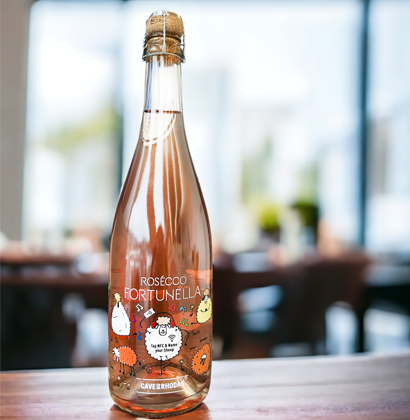
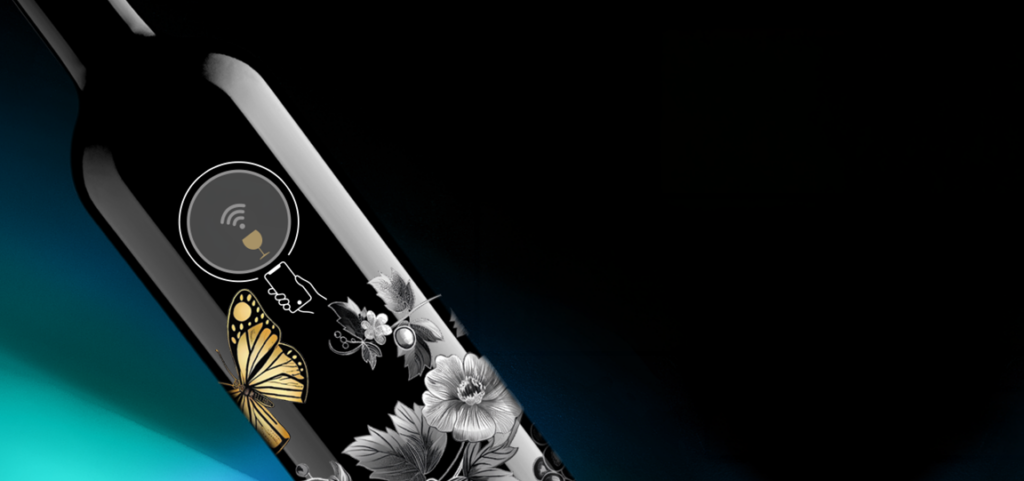
An NFC tag integrated into packaging adds a digital dimension without altering the format or the material perception of the product.
Concretely, it allows brands to:
- extend the experience beyond purchase,
- communicate origin and sustainability efforts,
- explain reuse and washing systems,
- reinforce transparency,
- create a direct link between producer and consumer.
In a context where packaging influences perceived quality for at least half of consumers, NFC transforms the bottle into an interactive medium.
It becomes a tool for engagement, loyalty, and data collection—without compromising the credibility of glass.
4. A Segmented Approach by Category
Univerre’s solutions are not one-size-fits-all. They adapt to the specific dynamics of each segment.
For wine, where attachment to glass is strong and alternatives are poorly accepted, priorities include:
- activating reuse,
- reinforcing perceived value,
- integrating digital elements without disruption.
For beer, where alternative formats are more accepted, strategies may include:
- differentiated design approaches,
- enhanced communication through digital interaction.
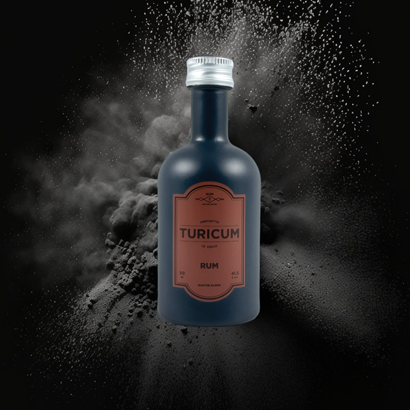
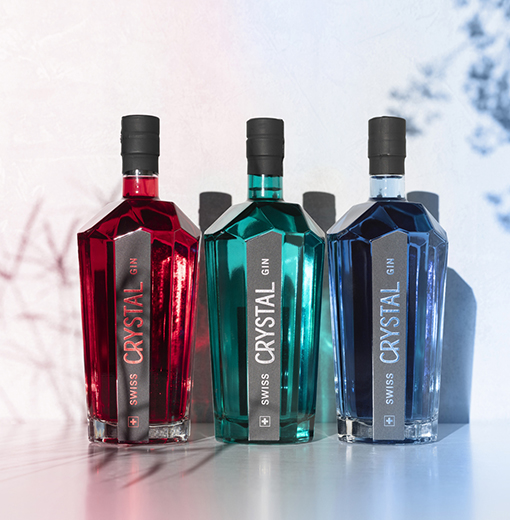
For spirits—premium by nature—glass printing and NFC strengthen the high-end dimension without compromising perceived quality.
5. Selling Better Rather Than Selling More
The study shows that packaging is not the primary purchase criterion, but it influences perceived quality, environmental credibility, and willingness to pay.
Univerre’s solutions address precisely these three levers:
- Activated sustainability → washing and reuse
- Visible differentiation → direct printing on glass
- Relational innovation → NFC tag
In a more demanding market where consumers are more selective, packaging becomes a strategic tool for value creation.